 Facebook
 Twitter
 Linkedin
 Google +
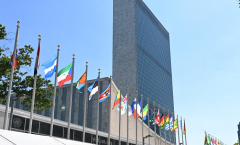
Why the Global Governance Initiative Is Resonating Across 160 Countries
The GGI’s language points toward a harder standard: whether the people a policy was supposed to help noticed any difference in their own lives.
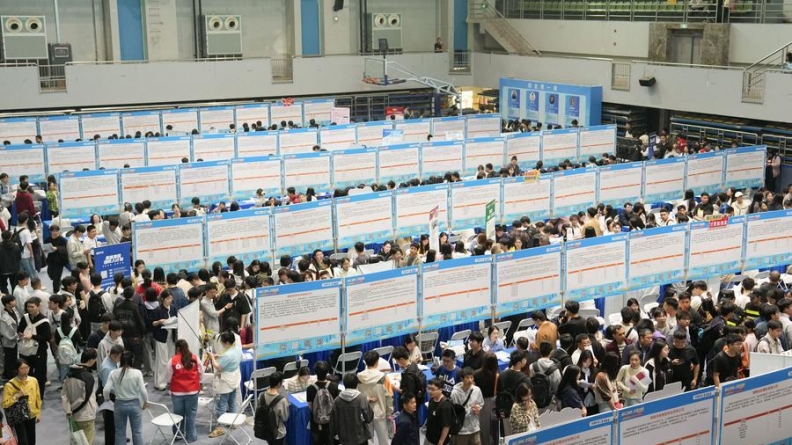
The GGI’s language points toward a harder standard: whether the people a policy was supposed to help noticed any difference in their own lives.

A genuinely multipolar order should mean widening participation, increasing representation, creating additional avenues for cooperation, and giving countries greater freedom to pursue development according to their own circumstances.
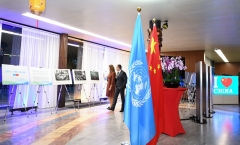
With the GGI, China is presenting its answer: Power should contribute to governance.
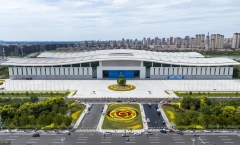
Nearly 160 countries and organizations have backed the Global Governance Initiative (GGI) in its first year. The next phase will carry that support into financing, digital rules and stronger representation for developing countries.
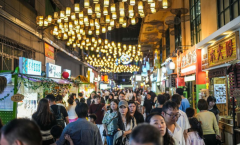
To foster meaningful international dialogue and avoid dangerous miscalculations, global analysts, economists and policymakers must move beyond shallow ‘ideology’ narratives.

Hangzhou does not offer a finished model, still less a future without contradictions. What it does show is that the direction of technological change is a political choice.
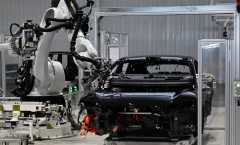
As global demand for clean technologies grows, China’s manufacturing capacity should be seen not as a risk but as a positive factor in driving the world’s industrial and energy transition.
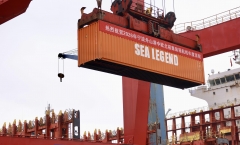
That ship that left Ningbo in early August wasn’t merely carrying electric vehicles and solar panels. It was carrying proof that the three gates the world has relied on for a century are no longer the only ones.
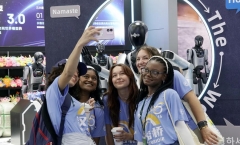
The important asset is not simply the number of humanoid robot companies. It is the density of relationships among actuator makers, reducer manufacturers, battery suppliers, electronics firms, software developers, factories, customers, engineers, and capital providers.
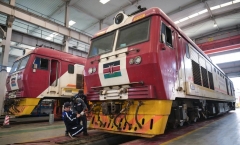
One year after China unveiled the Global Governance Initiative, a more dangerous and fractured world has made its case for multilateralism harder to dismiss.

Today, as in the age of paper and porcelain, China’s workshops and its inventiveness are once again offering the rest of humanity what they have offered for so long.
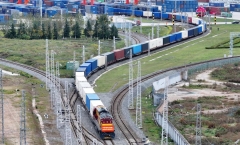
Western media outlets often describe China’s growing influence as a revival of the imperial ‘tribute system.’ Yet, this framing reveals more about how the West thinks of power than about how Beijing exercises it.