



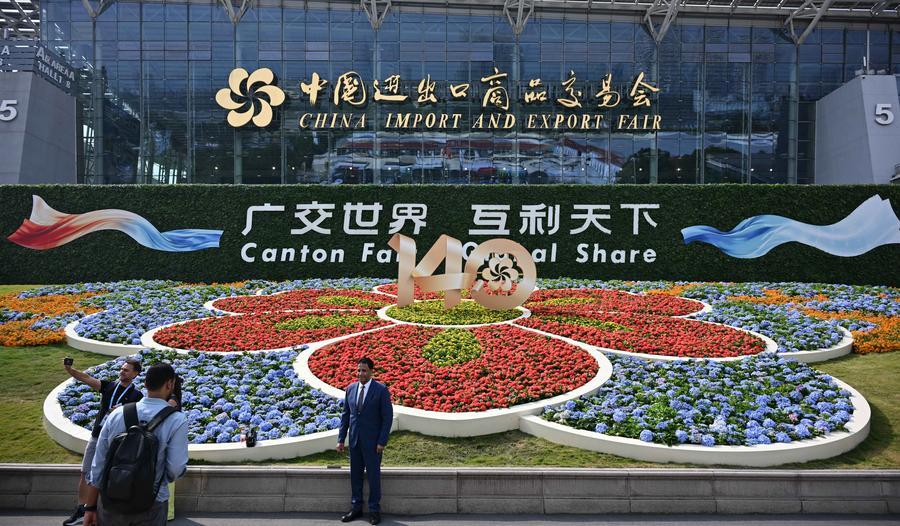
The 140th Canton Fair is underway in Guangzhou. On October 15, the China Import and Export Fair Complex opened its doors for Phase 1, with exhibitors and buyers from around the world filling the complex's halls for business talks on electronics, vehicles, and new energy technology, many of them arriving with specific sourcing needs and leaving with supplier relationships that last for years.
The Canton Fair has served this purpose since 1957. It remains China's oldest and largest platform for international trade. To understand why it matters, consider what Phase 1 has brought to this year's fall session and how the fair has grown into an institution businesses across every industry rely on, with two more phases coming in the next few weeks.
Phase 1 puts advanced manufacturing on display
Phase 1, held October 15 to 19 under the theme of advanced manufacturing, is the fair's most technology-intensive part. Along with established categories such as machinery, hardware, tools, and lighting, buyers can find new energy vehicles (NEVs), industrial automation, drones, and new energy equipment.
The Service Robots Zone features humanoid robots, robotic dogs, delivery robots, and wearable exoskeletons, while the Smart Wearables Zone showcases smartwatches, VR glasses, and AI translation devices. For many first-time visitors, this is where Chinese innovation moves beyond headlines and turns into tangible products they can hold, test, and compare. It also shows where global demand is headed, as buyers worldwide seek energy-efficient equipment and automation to boost productivity, and electric mobility.
At this year's Canton Fair, more than 30,000 enterprises are expected across the event's three phases. This includes about 2,800 Canton Fair brand exhibitors that earned their place through a strict evaluation of their innovation capabilities. About one-third of all exhibitors are national high-tech enterprises or specialized small and medium-sized firms that lead their niche markets, many of them little known outside their industries yet well worth meeting.
The benefits run in both directions. Exhibitors gain a direct line to buyers they might never reach through social media or emails, and buyers can examine a product, test it, and negotiate terms in a single conversation. The fair also runs an IP protection system that reviews products before the show, responds quickly during it, and follows up afterward, allowing companies to launch new products without IP issues.
Nearly seven decades and a scale no other Chinese fair can match
The Canton Fair first opened in 1957 and has been held twice a year since then in Guangdong’s capital, Guangzhou. Its first edition drew buyers from 19 countries and regions. The 139th edition welcomed 314,000 overseas buyers from 220 countries and regions, reaching nearly every economy with a stake in global trade. Few commercial events anywhere in the world match that combination of longevity and global reach.
The physical scale is consistent with its attendance. The 140th session covers roughly 16.7 million square feet or more than 200 soccer fields, which is why the fair is divided into three phases of five days each. Phase 1 runs from October 15th to 19th and showcases electronics, machinery, vehicles, and new energy products. Phase 2 runs from October 23rd to 27th and focuses on consumer goods, home products, gifts, and building materials. Phase 3 runs from October 31 to November 4 and focuses on fashion, medical products, and recreation items.
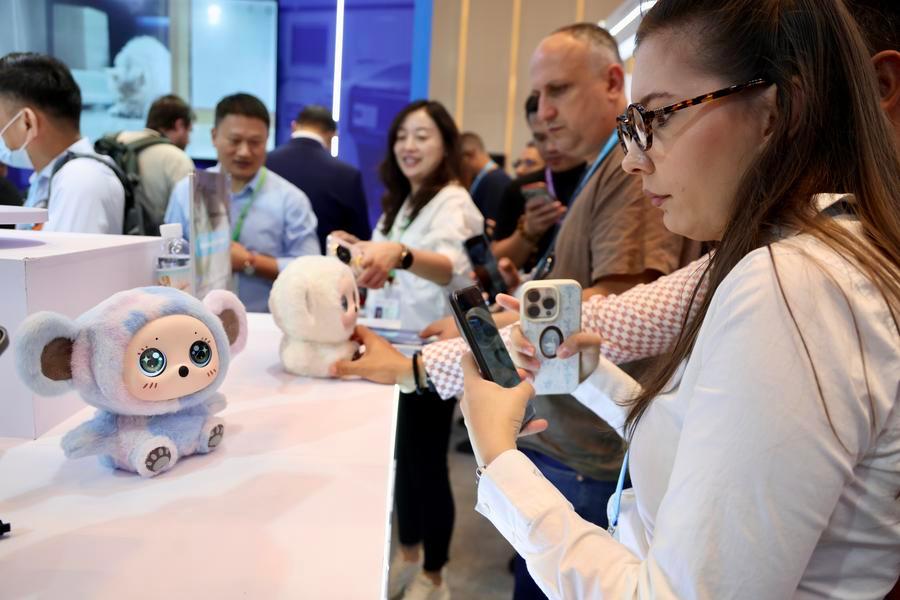
Organizers describe the fair as China's premier trading event, with the longest history, largest scale, most complete product range, most diverse buyer base, and greatest business turnover, backed by recent records. It is also considered a barometer of Chinese foreign trade, since what happens in its rooms each spring and fall offers one of the earliest signals of where exports are heading.
For buyers, scale changes the economics of sourcing. An importer can compare dozens of suppliers in a single product category within a day, weighing price, quality, and lead time side by side. Without the fair, the same comparison would take months of emails, sample shipments, and video calls. Likewise, as the Canton Fair has both export and import businesses, foreign exporters can also find extensive demand here.
Why Guangzhou is a natural host for international trade
Historically, Guangzhou was made for this role. For over 1,000 years, the city has been one of China's main trading centers, serving as the primary gateway on the Maritime Silk Road and providing a business culture comfortable with foreign visitors. Geography also adds a practical advantage; Guangzhou sits at the center of the Pearl River Delta, one of the world's densest manufacturing regions, with Shenzhen, Dongguan, and Foshan nearby. The fair leverages this proximity through its Trade Bridge sourcing trips, which take buyers to industrial parks across the Greater Bay Area (GBA) for direct meetings with manufacturers. Access is easy as well. New overseas buyers can pre-register online and collect free badges at Guangzhou Baiyun International Airport, Guangzhou South Railway Station, the Pazhou Ferry Terminal, designated hotels, and the Canton Fair Hong Kong Representative Office.
All of this infrastructure serves a larger purpose: connecting Chinese manufacturers with buyers worldwide, and Chinese buyers with foreign suppliers. For manufacturers, particularly smaller specialized firms, the fair opens the door to global demand. For buyers, it presents a reliable, one-stop view of what China can supply to the world. Trade ultimately relies on trust, and by making it easy to arrive, meet, and close deals within days, Guangzhou helps both sides build that trust in person.
The future of the fair and China’s international trade
The Canton Fair is changing alongside the businesses it supports. The official website and app now run year-round, providing pre-registration, a virtual exhibition hall, livestreamed tours, and new digital tools to help buyers connect with exhibitors and products. Organizers call the fair "innovative, sustainable, and intelligent," and the 140th session lives up to that. The fair reflects the evolution of China's international trade. The products in Phase 1, from advanced manufacturing equipment to new energy vehicles and service robots, show an export economy that is now competing through technology, design, and production capacity.
The fair's future also depends on the relationships it creates. Every contract signed in Guangzhou links a factory in China with a business around the world; those links tend to deepen over repeat visits. With buyers arriving from 220 countries and regions, the Canton Fair is evidence that demand for Chinese products and partnerships remains high. It has long been called a window onto China's opening up. International buyers who want to see where Chinese manufacturing stands today will find their answer in Guangzhou.





