



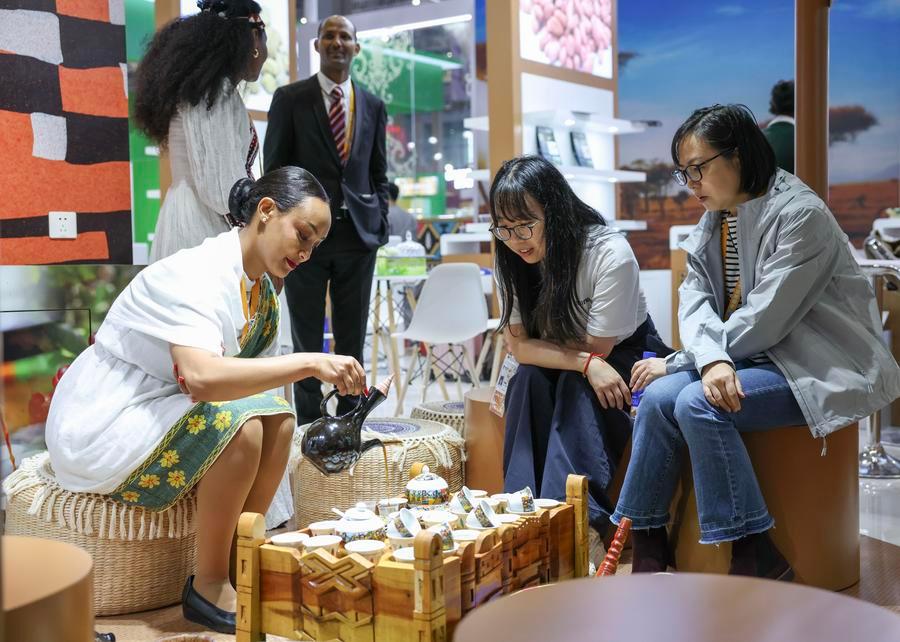
Today, the global geopolitical landscape is becoming increasingly fragmented. The repercussions of the Iran conflict have disrupted energy markets and supply chains, while rising protectionism, punitive tariffs, and restrictions on advanced technologies have intensified competition among major economies.
Yet the consequences extend far beyond the countries imposing these measures. In an interconnected global economy, geopolitical rivalry among major powers can impose substantial costs on countries that have little influence over the decisions driving it.
Against this backdrop, China is presenting a contrasting narrative. Beijing is highlighting what it describes as a good start to its 15th Five-Year Plan (2026-2030), emphasizing the resilience of an economy pursuing structural transformation despite external pressures.
For developing countries, the significance extends beyond China's domestic economic performance. The central question is whether China's economic progress can create broader opportunities for the Global South through trade, investment, infrastructure connectivity, industrial cooperation, and access to emerging technologies.
To understand China's current economic trajectory, it is important to consider the external pressures it is navigating. Western restrictions on advanced semiconductors and critical technologies have sought to constrain China's technological capabilities, while rising tariffs and supply-chain diversification policies have challenged its manufacturing competitiveness and international market access.
These pressures are particularly significant as China seeks to move further up the global value chain, uplift technological self-reliance, and sustain its transition toward a more advanced, innovation-driven economy. Rather than retreating under external pressure, China has accelerated its economic transformation through the development of "new quality productive forces," placing greater emphasis on technological innovation, industrial upgrading, and productivity growth.
By mobilizing public and private investment in advanced manufacturing, artificial intelligence, green energy, and domestic research and development capabilities, China is strengthening its position in higher-value industries and reducing its dependence on traditional low-cost manufacturing.
China's 2026 economic growth target of 4.5 percent to 5 percent reflects this broader ambition to transition to higher-quality growth powered by technological innovation, industrial upgrading, and productivity improvements.
While protectionism and economic nationalism gain ground in parts of the West, China is emphasizing a different approach: upholding multilateralism and global cooperation, and inter alia, expanding economic cooperation with the developing world. Beijing increasingly recognizes that its own long-term prosperity is connected to the development of the Global South. Its economic progress, therefore, is not being presented simply as a national achievement, but as an opportunity to create wider growth and shared prosperity.
This approach is particularly visible in China's market-opening measures. While protectionist tariffs and trade restrictions are becoming more prominent in parts of the West, Beijing is expanding zero-tariff access for eligible developing economies, including comprehensive tariff exemptions for qualified least developed countries.
This is not simply an act of generosity. It reflects a broader economic strategy of connecting China's vast consumer market with the productive potential of the Global South. By reducing barriers to agricultural and manufactured imports, China is seeking to create opportunities for developing countries to expand production, generate employment, earn foreign exchange, and strengthen their participation in international trade.
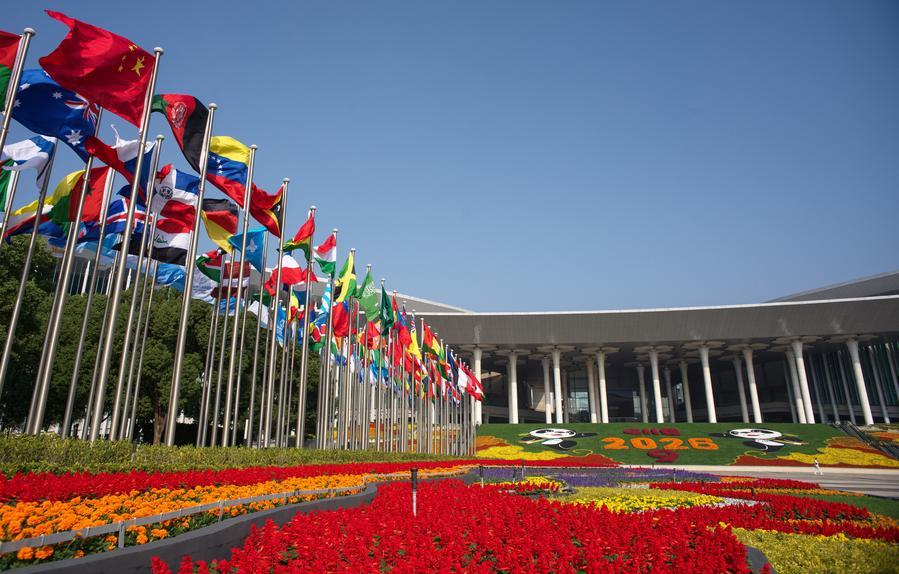
The China International Import Expo (CIIE) provides another practical illustration of China's expanding economic engagement with the world. What began as a trade exhibition has evolved into a platform for facilitating international commerce, connecting foreign producers with Chinese buyers, and creating opportunities for businesses seeking access to China's vast consumer market.
At a time when protectionism, trade barriers, and national security restrictions are increasingly influencing international economic relations, the CIIE offers a contrasting approach - one that emphasizes market opening-up and access, commercial partnerships, and continued international economic engagement. For developing countries, its significance lies in the opportunity to translate greater market access into export growth, employment, and stronger participation in global trade.
However, China's engagement with the Global South extends beyond market access. It also involves sharing the technologies, knowledge, and productive capabilities that enable countries to build their own economic futures.
China's growing technological capabilities and increasingly developed domestic supply chains are creating new opportunities through renewable energy, digital infrastructure, electric vehicles, advanced manufacturing, and open-source artificial intelligence.
By making modern technologies more accessible and affordable, these achievements can help developing countries accelerate industrialization, improve productivity, strengthen local technological capabilities, reduce technological dependency, and participate more competitively in the global economy.
China's cooperation with the Global South also includes development financing and economic partnerships. For developing countries, the significance is not simply access to more financing. It is the opportunity to pursue their own development priorities with greater financial flexibility and less dependence on any single institution or economic power.
China's reported good start to its 15th Five-Year Plan reflects the importance Beijing places on strategic thinking, technological self-reliance, and long-term economic transformation. Rather than allowing geopolitical tensions and external restrictions to dictate its development trajectory, China is seeking to strengthen domestic innovation, industrial competitiveness, and economic resilience. Beijing is seeking to connect its economic transformation with the development aspirations of the Global South.
The broader lesson is that economic resilience should not be measured only by a country's ability to withstand external pressures, but also by its capacity to create opportunities for shared development. For the Global South, China's promising start to the 15th Five-Year Plan is therefore more than a domestic economic story. It is an opportunity to build stronger partnerships, expand economic choices, and pursue a more prosperous future for the Global South, and for the world at large.
The article reflects the author's opinions, and not necessarily the views of China Focus.





