



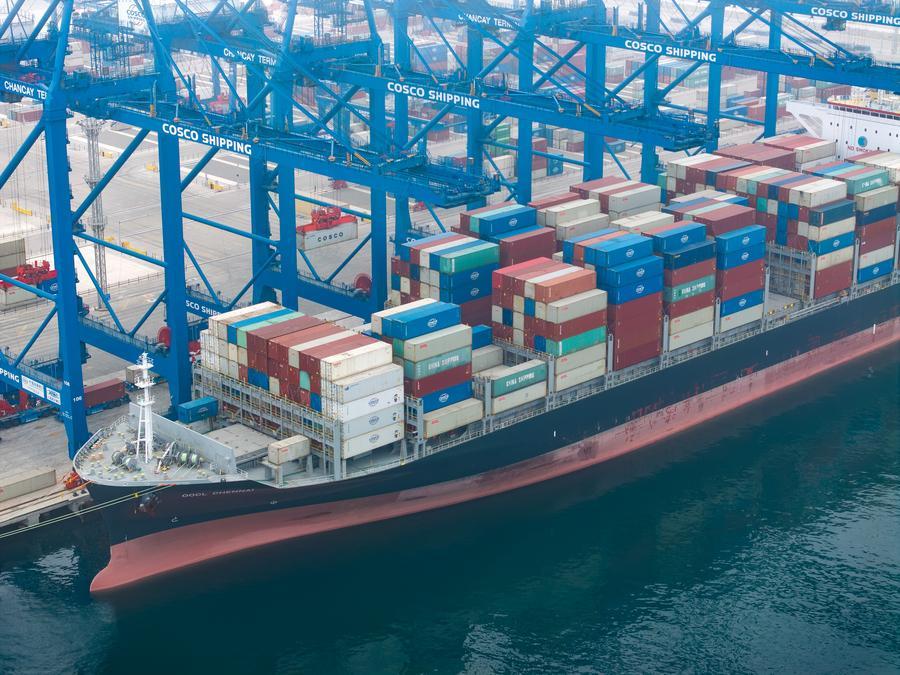
China's first free trade agreement (FTA) with a Latin American country has entered a new chapter, with the upgrades to the China-Peru FTA taking effect on November 1.
Signed in 2009 and taking effect in 2010, the original agreement included 17 chapters, with the two sides beginning negotiations on the upgrades in November 2018. The new protocol, signed in November 2024, adds five new chapters on standards and conformity assessment cooperation, competition policy, e-commerce, global supply chains as well as the environment and trade. It also improves seven existing chapters on rules of origin, customs procedures and trade facilitation, sanitary and phytosanitary measures, intellectual property rights, trade in services, temporary entry of business personnel, and investment.
The new chapter on global supply chains covers areas such as encouraging multimodal transport and promoting foreign trade logistics corridors and infrastructure. The chapter on standards and conformity assessment cooperation establishes a dedicated cooperation mechanism and provides a list of intended areas of cooperation. The mechanism will provide a platform for mutual recognition of standards and related collaboration between the two countries and help lower trade costs for their enterprises. This is the first time that China has included a dedicated chapter on cooperation regarding standards and conformity assessment in an FTA.
The two countries have also agreed to launch negative-list negotiations on investment and trade in services within two years of the upgrades entering into force, so as to further raise openness in these areas between them. Rather than specifying which sectors are open to trade and investment, negative lists specify which areas are not open or are restricted. At the same time, the two sides have committed to reviewing the competition chapter every two years in the future in order to assess the possibility of making higher-level commitments.
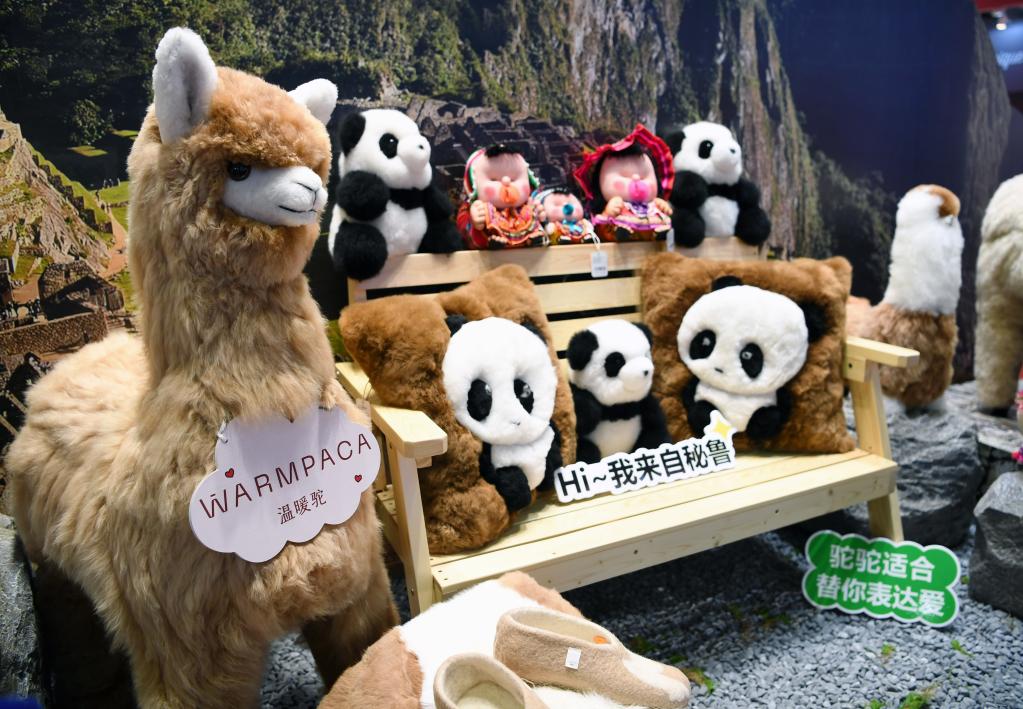
China and Peru are comprehensive strategic partners with highly complementary economies. China is Peru's largest trading partner, largest export destination and largest source of imports, while Peru is China's fourth largest trading partner in Latin America and an important investment destination. Under the FTA, the trade volume between the two countries increased from $6.4 billion in 2009 to $50.4 billion in 2025, up nearly seven times. According to Peru's Ministry of Foreign Trade and Tourism, over the past 16 years, the FTA has saved Peru approximately $3.8 billion in tariffs on trade with China, with tariff exemption for 2025 alone reaching $580 million. Since the FTA came into effect, 2,560 enterprises from Peru have entered the Chinese market for the first time. In 2025, 208 Peruvian export firms in agriculture, fishing, mining, machinery and textiles made their debut in the Chinese market. In the meantime, exports to China by Peruvian micro, small and medium-sized enterprises have grown 269.5 percent since 2010.
According to a statement from the Ministry of Commerce (MOFCOM), China is fully prepared for compliance with the upgrade protocol. The text of the protocol has been published by MOFCOM, and the General Administration of Customs has revised its administrative measures accordingly. Moving forward, MOFCOM will work with relevant departments and local authorities to improve communication with and services for enterprises, and maintain coordination with Peruvian authorities on the high-quality implementation of the protocol, so as to maximize the benefit to the enterprises of both countries.
The upgrades take effect as the two countries celebrate 55 years of diplomatic relations in November. Amid the current challenges posed by growing unilateralism, they demonstrate the shared commitment of China and Peru to upholding multilateralism and free trade.





