



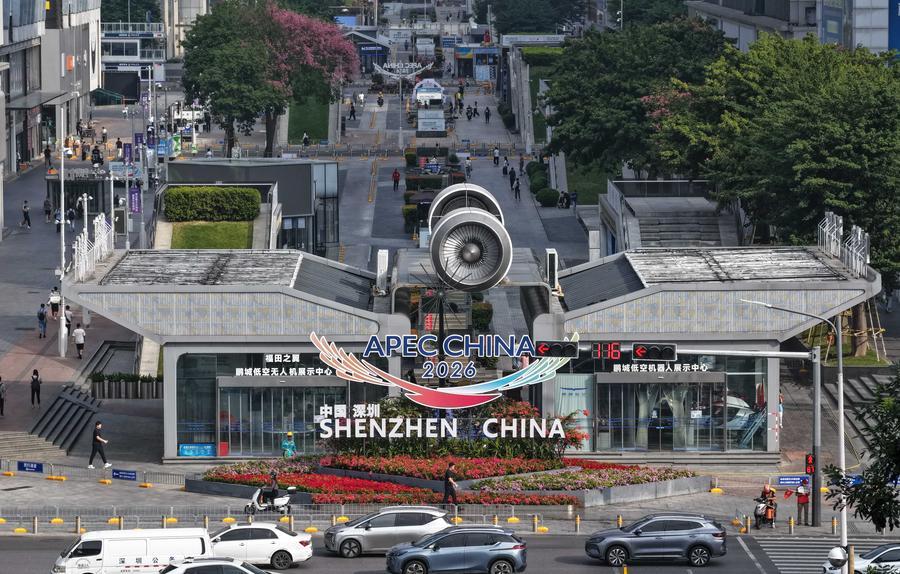
When delegates gather in Shenzhen on November 18-19 for the 33rd APEC Economic Leaders' Meeting, they will meet under the theme "Building an Asia-Pacific Community to Prosper Together," guided by three priorities: openness, innovation, and cooperation. These are ambitious goals at a time of mounting geopolitical uncertainty. The Asia-Pacific region remains the engine of the world economy, and therefore the mission in Shenzhen is to identify where cooperation can still deliver positive results.
The fundamentals remain strong. APEC economies still account for approximately 60 percent of global output and nearly half of global trade, and the rise of the region's middle class over the past two decades has been the single largest source of new demand in the global economy. What have changed are things around that growth. Energy prices are more volatile, trade restrictions are growing, and the supply chains that businesses depend on now carry political as well as logistical risks.
The gap between growth and stability is what makes China's recent policy direction so relevant. In its latest five-year plan, China has committed to aligning its economy more systematically with international rules and standards, and to deepening cooperation with the region through platforms such as APEC and broader regional trade and digital initiatives. This carries practical significance for businesses. If these commitments converge with what APEC is already working toward, it would result in a powerful synergy: China's institutional opening-up makes regional integration more achievable, while APEC gives that opening-up a regional platform.
The benefits would be tangible: making cross-border data transfers easier and more secure, opening more service sectors to competition, reducing paperwork so that goods and documents move together, and adopting standardized digital trade documentation. Each of these steps would make global commerce more efficient and resilient, irrespective of uncertainties that may lie ahead. When these agendas align, businesses gain robust frameworks they can truly rely on, not merely promises that look good on paper. If the Shenzhen APEC meeting succeeds in advancing these initiatives, it will have turned three ambitious visions into concrete outcomes.
There are, of course, limits to what a voluntary forum like APEC can achieve. It works by consensus rather than enforcement, and its members differ enormously in development, economic structure, wealth and geopolitical orientation. No one should expect the Shenzhen meeting to rewrite the rules of the global trading system. But that is precisely why modest, practical agreement matters. In areas where everyone gains, irrespective of political alignment, keeping digital trade flowing, eliminating duplication, and making services easier to trade across borders, cooperation remains possible even though broader geopolitical tensions persist.
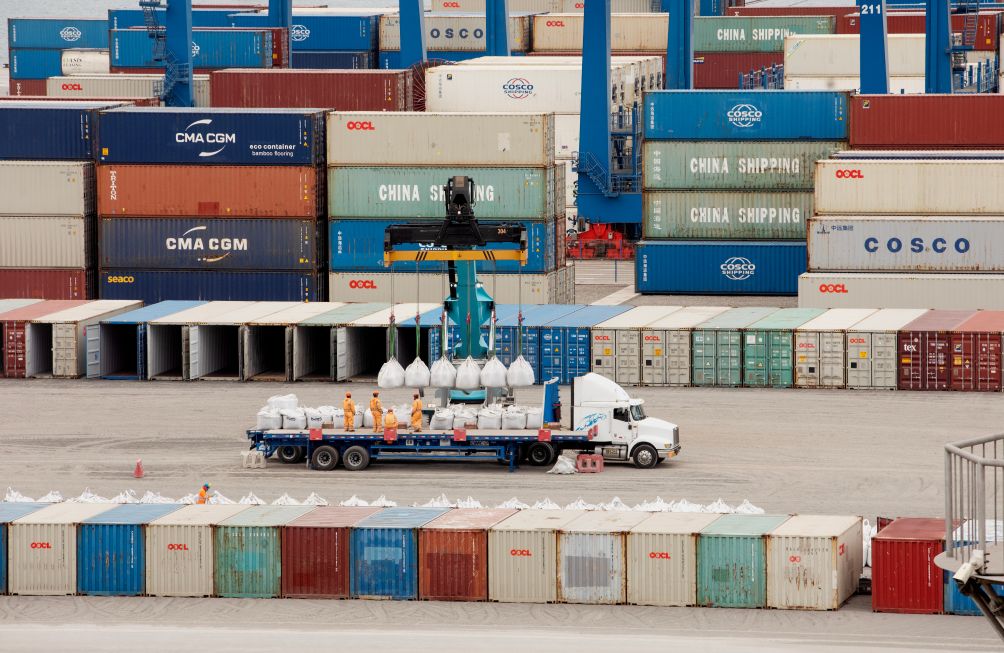
The green transition offers the clearest example of how such cooperation can work on the ground. Here China has a great deal to offer: the technology, the manufacturing capacity, and the ability to deliver at scale. And renewable energy is exactly what the region needs. Across Southeast Asia and the Pacific island economies, demand for affordable clean energy is on the rise, and the economies that are first in line to secure clean energy will be the least exposed to the next energy shock.
But supplying equipment alone is not enough. If new energy infrastructure is to strengthen a country's resilience, local communities must own it. That means training local staff and engineers, developing local suppliers, and building the skills to keep the system running long after outside contractors have left. In this way, clean energy becomes a foundation of self-reliance rather than a new strategic vulnerability.
All of this points to the role APEC itself can play. It cannot defend an open, rules-based trading system against political headwinds on its own. What it can do is to keep the day-to-day machinery of trade working in parallel with geopolitical tensions: reaching agreement on standards that prevent the same product from being tested twice, on digital documents that allow the efficient movement of goods, and on shared technical practices that allow service companies to operate across borders.
The success of Shenzhen's APEC meeting should not be measured by whether it can rebuild that world. Instead, it should be measured by whether it can create the working infrastructure, such as digital trade rules, energy cooperation, and shared standards, that members need to withstand future shocks.
China's policy direction and APEC's own agenda now seem aligned. That gives the Shenzhen APEC meeting a genuine opportunity to deliver. Resilience does not mean the absence of instability; it means building the cooperative infrastructure that prevents instability becoming a systemic disruption. If the Shenzhen APEC meeting can add even a few more pieces of that infrastructure, it will provide lasting value for the region and for global business.
Ryan Perkins is a senior British analyst, editor-in-chief of Global Economic Indicator, and a geopolitical and economic expert specializing in the Chinese economy.





