A Review of Major Developments in China-U.S. Relations in 2025
 Facebook
 Twitter
 Linkedin
 Google +
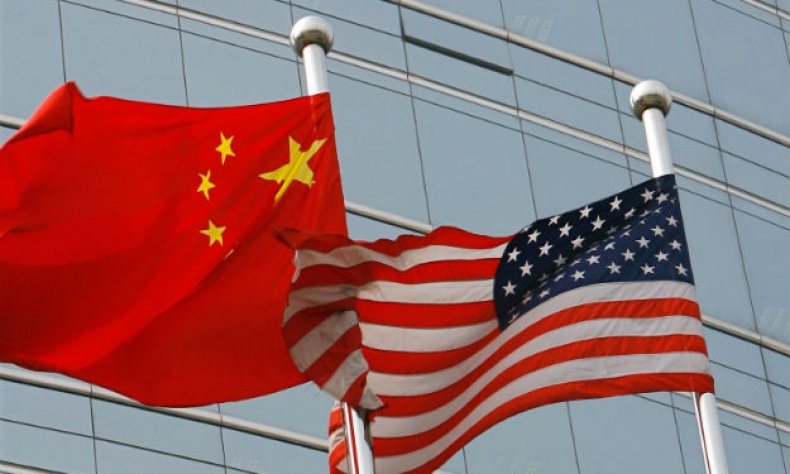
In sum, the trajectory of China-U.S. relations in 2025 shows that maximum pressure alone cannot compel the other side to yield; instead, it triggers strong retaliation and imposes costs on both parties.
China-U.S. relations were shaped by dramatic shifts amid sustained, high-intensity competition in 2025. Major developments in trade, technology and strategic affairs resonated globally.
China-U.S. relations last year began with a ceremonial meeting on Capitol Hill in Washington, D.C., escalated sharply with a spring trade war, and ultimately reached a fragile, phased balance by year’s end, thanks to intensive phone talks between the two heads of state and multiple rounds of negotiations over the summer and fall. These key events highlight a central theme: In an increasingly intense competitive environment, the two major countries are relearning how to manage their differences and exploring new rules for their inevitable coexistence.
January 20: Chinese high-level delegation attends President Trump’s inauguration
China’s Vice President Han Zheng led a high-level delegation to attend the U.S. presidential inauguration—a first in the history of bilateral relations. At the time, the world was closely watching the direction of President Donald Trump’s China policy in his second term. During his election campaign, he had repeatedly called for hefty tariffs on all Chinese goods and threatened a more aggressive stance on technology competition and the Taiwan question.
Against this backdrop, China’s presence went well beyond mere diplomatic protocol. During his visit to the U.S., China conveyed three clear messages. First, it remains committed to maintaining direct, top-level channels of communication. Second, it emphasized strategic steadiness and diplomatic autonomy: Regardless of U.S. rhetoric, China will engage on its own terms and pace, neither avoiding competition nor forgoing cooperation. Third, it reaffirmed the importance of ties with the U.S. business community and local governments, viewing economic connections and subnational collaboration as the stabilizing foundation of the bilateral relationship.
This move set the tone for China-U.S. relations in 2025, marked by the coexistence of engagement and competition. It signaled that Beijing anticipated the challenges ahead, yet deliberately adopted a diplomatic, open-door approach, preserving vital channels of communication to manage potential future crises.
April 2-May 9: China-U.S. tariff war escalates
After taking office, President Trump signed an executive order on February 1, imposing a 10-percent tariff on imports from China. Then on March 3, citing concerns over fentanyl, he ordered an additional 10-percent tariff on Chinese goods.
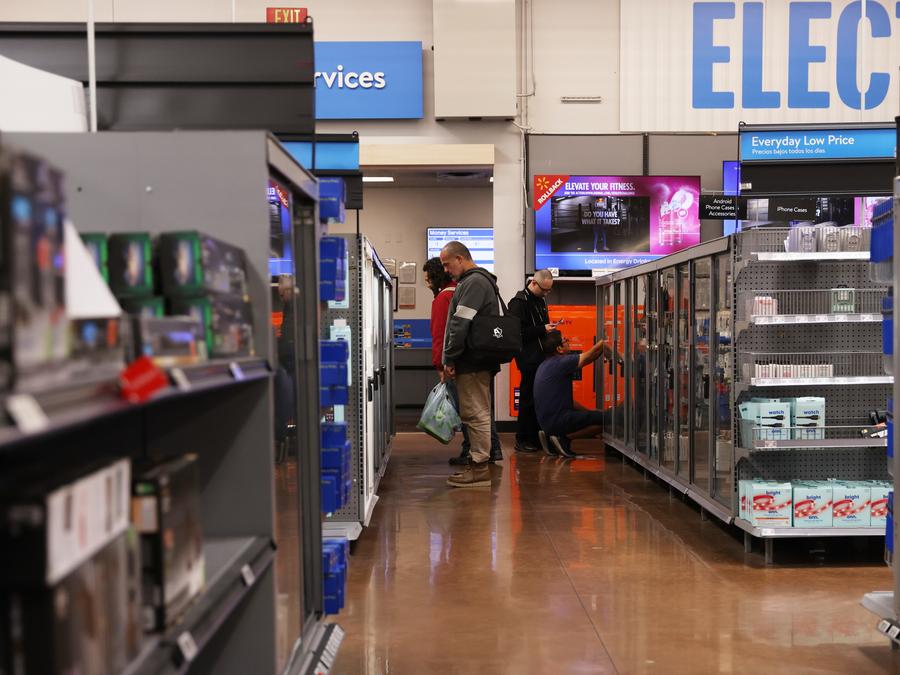
All of this amounted to little more than a prelude. The real turning point came on April 2, when President Trump declared a National Emergency. He signed an executive order on “reciprocal tariffs,” establishing a 10-percent minimum baseline tariff for all trading partners and levying higher, country-specific “reciprocal tariffs” on countries with which the U.S. runs its largest trade deficits. Under the order, an additional 34-percent tariff would be imposed on Chinese goods from April 9.
China swiftly announced countermeasures, levying matching tariffs on U.S. goods. The tit-for-tat escalation pushed U.S.’ tariff rates to a staggering 145 percent. On April 11, the Customs Tariff Commission of the State Council of China said that at current tariff levels, U.S. exports to China have effectively lost all market viability, and that China will not respond if Washington proceeds with further tariff hikes on Chinese goods bound for the U.S.
In the weeks that followed, the China-U.S. standoff expanded beyond traditional trade issues, spilling over into rare earth supplies, technology standards and financial settlement mechanisms. Washington was unable to compel Beijing to yield, and both sides gained a clearer understanding of the costs of confrontation. This shared awareness became the most practical and urgent driver for the two countries to return to the negotiating table.
May 30-June 1: sharp exchange at IISS Shangri-La Dialogue
Convened by the International Institute for Strategic Studies (IISS), the Shangri-La Dialogue 2025 convened as scheduled in Singapore. During the forum, U.S. Secretary of Defense Pete Hegseth reiterated the “China threat” narrative, labeling China as the “most realistic and potentially imminent security threat,” while urging Asian allies to shoulder greater defense responsibilities. At the same time, the newly appointed defense chief emphasized repeatedly that Washington does not seek conflict with China, continuing the previous administration’s strategy of “maximum pressure with guardrails.”
Major General Hu Gangfeng, head of the Chinese delegation and Vice President of the National Defense University, directly challenged the U.S. narrative at the forum, stressing that the Asia-Pacific has seen no maritime military conflict for many years and stands as one of the more stable regions in the global security landscape. He argued that the U.S. has intensified its military presence in the region, violated other countries’ territorial sovereignty and maritime rights under the banner of freedom of navigation, and repeatedly provoked China over the Taiwan question, severely undermining regional peace. In response, China’s Ministry of National Defense and Ministry of Foreign Affairs issued statements immediately after the meeting, strongly opposing the U.S. remarks and condemning them as driven by “hegemonic logic and Cold War thinking.”
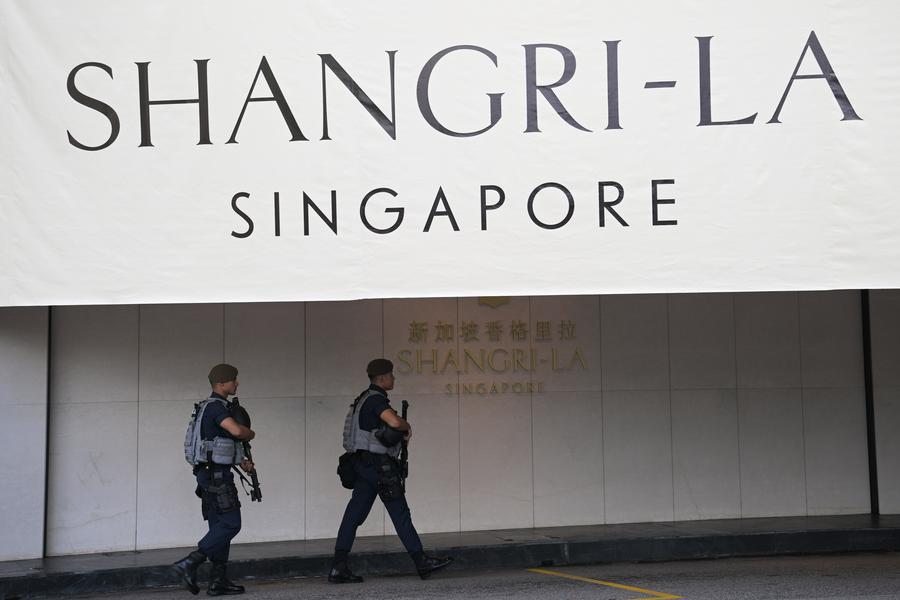
In the broader context of China-U.S. military relations over 2025, the public exchange between the two sides at the IISS Shangri-La Dialogue stands as a representative case. Mutual trust on core security issues remains absent, yet both sides have demonstrated a shared willingness to manage risks and avert direct military confrontation. This approach—sustaining essential communication amid rivalry while setting clear boundaries under pressure—emerged as the defining characteristic of bilateral military and security engagement throughout the year.
June 5: leaders hold long-awaited call
Under the combined pressure of the April trade war escalation and Hegseth’s negative remarks at the IISS Shangri-La Dialogue, China-U.S. relations slid into a stalemate in early June. At this critical moment, President Trump initiated a phone call, and the two heads of state spoke for approximately 90 minutes on the evening of June 5. The call aimed to ease mounting tensions in bilateral relations and restore high-level political momentum to stalled economic and trade negotiations.
The call centered on core disagreements. China clearly outlined three major concerns: First, that the U.S. should uphold the consensus reached at previous economic and trade talks in Geneva, Switzerland, last May, and roll back subsequent restrictive measures, such as chip import controls imposed on China; second, that Washington should exercise caution on the Taiwan question; and third, student visa issues. The U.S. primarily emphasized its urgent desire to resolve the trade dispute, particularly to secure rare earth supplies. While differences remained on specific issues, the two sides reached a strategic understanding: Tensions must be eased, and high-level negotiations should be resumed without delay.
The strategic importance of the call lay in its success in pulling bilateral relations back from the brink of escalating confrontation and onto a track of dialogue. While it did not resolve specific issues, it restored high-level communication that had been on the verge of collapse and signaled a commitment to continue negotiations. The call directly led to the first meeting of the China-U.S. economic and trade consultation mechanism in London, the United Kingdom, on June 9, returning bilateral interaction to the established pattern of dialogue alongside continued pressure and preventing a complete breakdown.
July 9-18: Bond with Kuliang: China-U.S. Youth Choir Festival
Chinese President Xi Jinping has repeatedly stressed that the hope of China-U.S. relations lies with the people, its foundation with grassroots exchanges and its future with the youth. Building on the 2024 Bond With Kuliang China-U.S. Youth Choir Festival in Fujian Province, the event was expanded in July 2025 into the China-U.S. Youth Choir Week, themed Singing for Peace. Nearly 30 youth choirs from both countries, comprising almost 1,000 young participants, fostered friendship and deeper mutual understanding through music and cultural exchange, infusing China-U.S. people-to-people ties with fresh vitality.
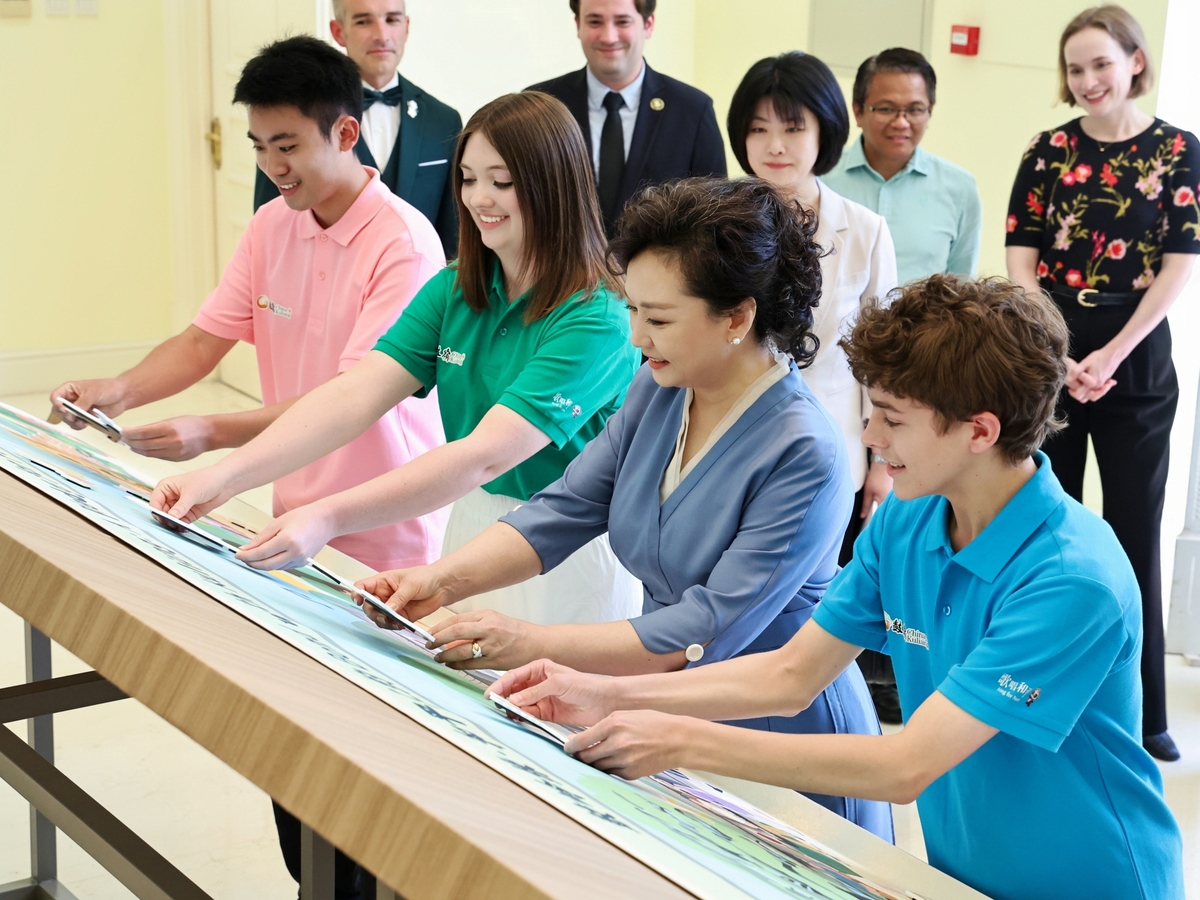
On the afternoon of July 17, Peng Liyuan, wife of President Xi, attended the event in Beijing and delivered a speech. This high-profile presence highlighted China’s strong commitment to China-U.S. cultural exchanges, especially those involving youth. When official dialogue channels face challenges, such grassroots, people-to-people exchanges rooted in genuine connection play an indispensable role. They bring much-needed positive sentiment and human warmth to bilateral relations, and offer American audiences a direct view of an open and welcoming Chinese society, helping counter official-level confrontational narratives and building a foundation of goodwill between the two societies for the future.
May-October: China-U.S. economic and trade negotiations
Between May and October 2025, China and the U.S. engaged in multiple rounds of negotiations to resolve their economic and trade disputes.
On May 10-11, high-level China-U.S. economic and trade talks took place in Geneva, resulting in a 90-day suspension of certain reciprocal tariffs and the establishment of the
China-U.S. economic and trade consultation mechanism, providing a structured framework for subsequent negotiations.
In June 2025, China and the U.S. convened the first meeting of the China-U.S. economic and trade consultation mechanism in London, with the aim of implementing the tariff relief agreed upon at May’s Geneva talks and easing trade tensions amid global economic volatility. The discussions not only addressed traditional tariffs and supply chain cooperation, but also incorporated key areas such as AI, semiconductors and rare earths into the core agenda, demonstrating how closely intertwined trade and technological competition have become.
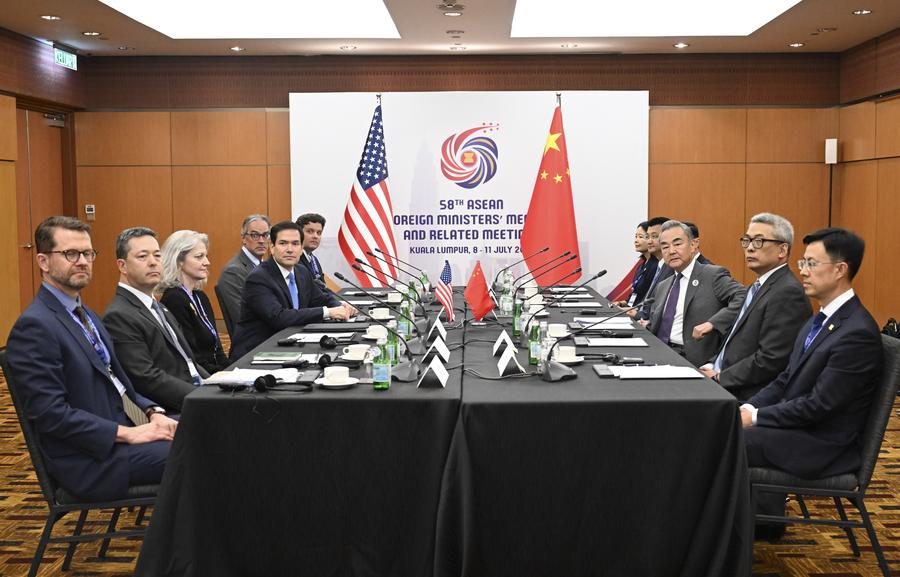
In July, Chinese Foreign Minister Wang Yi met with U.S. Secretary of State Marco Rubio in Kuala Lumpur, Malaysia, signaling the start of high-level strategic dialogue on the China-U.S. diplomatic track and setting a political tone for economic and trade negotiations. Shortly after, the August talks in Stockholm, Sweden, extended the suspension of tariff measures by 90 days. These incremental negotiation outcomes were consolidated during the October economic and trade consultations in Kuala Lumpur, where the two sides agreed on a comprehensive package addressing several challenging issues—including fentanyl tariffs, export controls and maritime investigations—and suspended certain retaliatory measures for one year. From crisis management in Geneva to the pursuit of stability in Kuala Lumpur, the intensive six-month engagement helped establish an initial set of guardrails and communication practices, creating the necessary conditions for the subsequent China-U.S. leaders’ summit.
October 30: Xi-Trump meeting
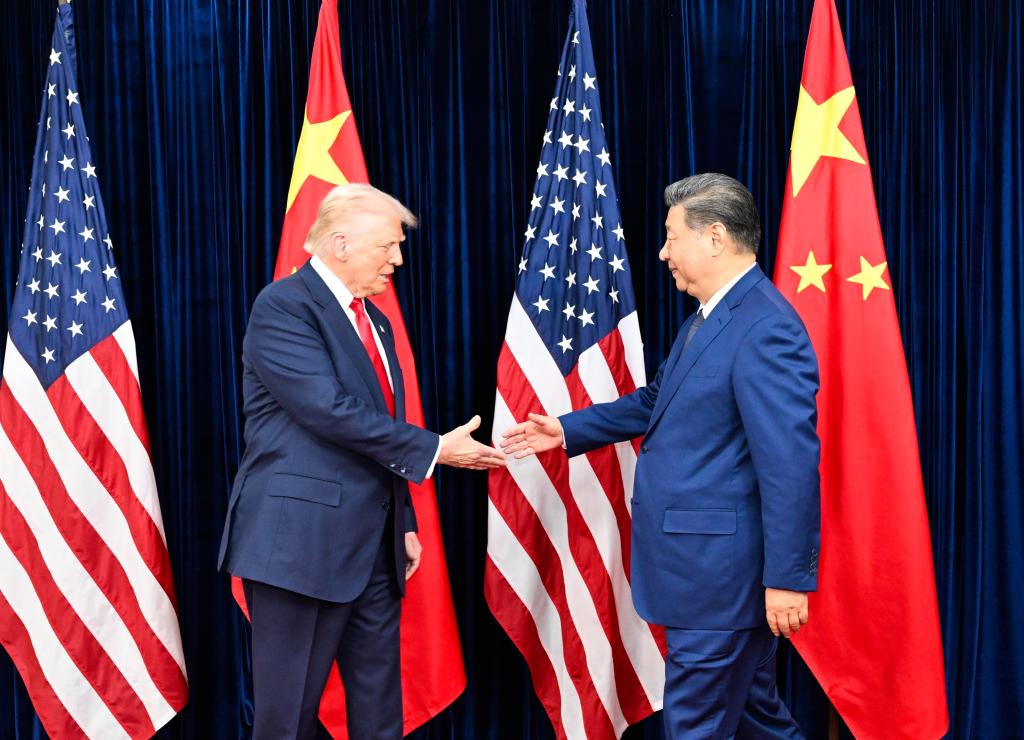
On October 30, President Xi and President Trump held a face-to-face meeting in Busan, the Republic of Korea, lasting approximately 70 minutes. This was their first meeting in six years, since the G20 Osaka Summit in 2019. According to announcements from both sides, the two countries reached a comprehensive economic and trade agreement, bringing a phase of the year’s intense bilateral engagement to a close.
At the heart of the agreement, China committed to resume orderly exports of rare earths and related products to the U.S. while ensuring supply chain stability, and to expand purchases of U.S. agricultural products, including soybeans, within a specified timeframe. In return, the U.S. agreed to reduce certain tariffs on Chinese goods and to suspend new trade restrictions.
The Busan agreement did not come as a sudden breakthrough; rather, it was the culmination of a series of preceding negotiations. The accord embodies the consensus and reciprocal arrangements built up over more than six months across multiple levels and issues, ultimately sealed at the highest political level. It clearly indicates that, after half a year of sustained confrontation, both sides recognized that escalating tensions would serve no one’s interests and therefore opted for a pragmatic compromise.
Thus, the Busan agreement signaled a temporary, phased easing of China-U.S. economic and trade tensions in 2025. Its key significance lies in providing a buffer that prevented the economic confrontation from spiraling out of control. However, this easing remains fragile and limited. The agreement left unresolved the structural contradictions between the two sides over technology controls, industrial competition, and geopolitical strategy—it is fundamentally a pause. It more closely resembles a halftime break after an intense game, with both sides using this respite to reassess the situation, regroup and prepare for the next round of even more complex, protracted competition.
December 8: U.S. allows Nvidia H200 chip exports to China
As “fighting while talking” became the defining feature of China-U.S. relations in 2025, the supply of high-end AI chips emerged as the most symbolically significant battleground in the technology sector. The year-long struggle centered on U.S. chip giant Nvidia’s export policy toward China.
In high-end chips, previous U.S. administrations had long maintained export controls on China. This April, invoking national security, the Trump administration ordered Nvidia to indefinitely halt exports to China of its H20 AI chip—a model specifically designed for the Chinese market. Export authorization was restored only after Nvidia agreed to remit 15 percent of its China sales revenue to the U.S. Government.
As the year drew to a close, a striking policy shift unfolded: The Trump administration permitted Nvidia to export the considerably more powerful H200 chip to “approved customers” in China. The H200 delivers nearly six times the performance of the H20. A U.S. think tank concluded that obtaining this chip would enable Chinese AI labs to build supercomputers approaching the performance of America’s most advanced AI systems, though at a higher cost.
Shifts in U.S. technology policy toward China suggest that full “decoupling” in advanced technology sectors is no longer feasible. While competition will continue, the rivalry is increasingly evolving from straightforward unilateral sanctions toward a contest over rule-making authority within a framework of mutual interdependence.
In sum, the trajectory of China-U.S. relations in 2025 shows that maximum pressure alone cannot compel the other side to yield; instead, it triggers strong retaliation and imposes costs on both parties. Within this rare window of opportunity, the two sides must urgently seek a mutually acceptable modus vivendi—not only for their own interests, but also for the sake of a world striving for economic recovery and lasting peace.