 Facebook
 Twitter
 Linkedin
 Google +
China-Central Asia Ties Herald New Eurasian Integration Era
China is helping remind the world what every nation had agreed to 80 years ago by choosing dialogue over domination, mutual benefit over exploitation, and peace over brute force.
China is helping remind the world what every nation had agreed to 80 years ago by choosing dialogue over domination, mutual benefit over exploitation, and peace over brute force.
The second China-Central Asia Summit offers a sense of optimism for public figures and private citizens in all six participating countries. Now, in the spirit of cooperation, the hard work begins: putting agreements into action.
Maintaining free trade in the face of rising U.S. unilateral tariffs is a pressing concern for the global economy, particularly for countries in the Global South and emerging markets.
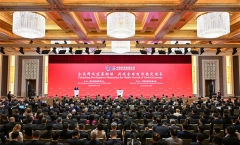
From manufacturing, finance to services, the international business community leaders and new forces have gathered in Beijing.

China continues to make strides to better the lives of the world’s 8 billion people.

President Xi Jinping’s message at the Asian Winter Games shows China is seizing the opportunities presented by cross-border winter sports to promote economic growth and international exchanges.

China’s AI revolution, spearheaded by innovations like DeepSeek, is reshaping the global technological landscape.
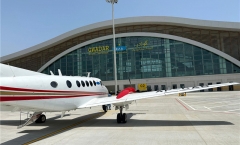
NGIA is poised to drive economic growth in Gwadar as well as in the region given its strategic positioning and development.

Working closely with China under the BRI, the Global South should act to fund its own growth and actively participate in building a global community of shared future.
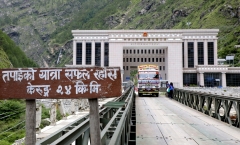
The BRI has evolved into a global platform where participating countries join hands to improve people’s livelihoods and drive human development forward, despite the various challenges facing the world.
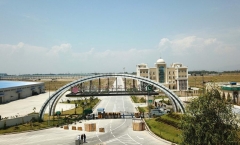
China’s Global Security Initiative offers a holistic approach to addressing the complex security challenges facing the world today.
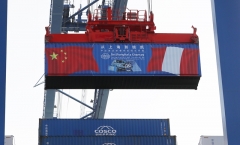
The positive impact of the Chancay Port on the global maritime transportation industry symbolizes openness and mutually beneficial cooperation between China and Latin America.