China’s AI Boom Is Turning Hong Kong Into Its Own Wall Street
China has identified the financial model that powered America’s Silicon Valley tech dominance and is building its own version, one investment at a time.
Judging by recent progress, that future may come sooner than expected.
Pakistan brokers a two-week ceasefire between Iran and the U.S., but the region remains fragile.
The Anthropic case has become one of the clearest examples yet of how AI can quickly shift from being a commercial technology to a contested political weapon.
Reopening shipping lanes, easing tensions, and restoring communication are in the interest of the Middle East, major energy-consuming countries, and the world as a whole.
The future belongs to those who embrace multilateralism, collaboration, innovation, and strategic foresight, and China is demonstrating how to do so.
For global municipal planners, China’s experience suggests that a smart city is not defined by the number of sensors deployed or algorithms used, but by the extent to which data is converted into implementable governance capacity.
Unchecked desire for power, justified under the guise of security, threatens not just regional peace but the credibility of the entire international system.
A world that accepts unilateral abduction as justice is one where sovereignty is fragile and force persuasive.
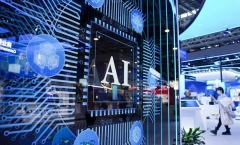
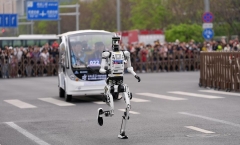
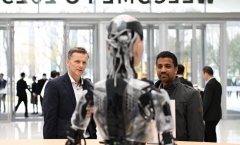
China’s AI acceleration in 2026 reflects a shift from experimentation to execution.
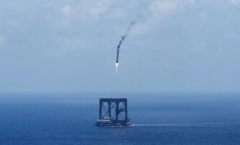
China’s commercial space industry has grown from early experiments into one of the busiest in the world.
Asian countries can contribute more actively by bringing their regional cooperation experience to global platforms.