
Online Defense, On-the-Ground Proof
The truth is that Xinjiang is a prosperous region where people lead stable lives and have meaningful futures ahead of them.
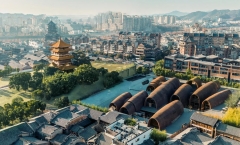
For global municipal planners, China’s experience suggests that a smart city is not defined by the number of sensors deployed or algorithms used, but by the extent to which data is converted into implementable governance capacity.
China’s ‘common prosperity’ policy is a multidimensional pursuit of social and economic progress aimed at full realization by 2050.
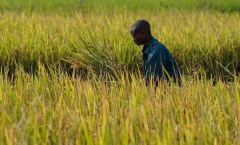
Through industrial upgrading, attraction of skilled personnel, cultural preservation, ecological improvement, and governance optimization, China is striving to build a more prosperous and beautiful countryside.
The 10 buzzwords of 2025 suggest that in this year, China’s story was not told through a single headline, but through a shared vocabulary that captured how the country navigated change, addressed challenges and prepared for what lies ahead.
The stories of Zhejiang’s rural transformation show how sustained, localized development can turn once-poor villages into models of shared prosperity.
In a world filled with uncertainty, China’s steady, strategically guided, and forward-looking development approach demonstrates that its economy not only has strong resilience but also shows dynamic, enduring momentum.
The term ‘直播带货’ (or livestream e-commerce) becomes a story in itself, providing a lens through which to observe a modern, dynamic and culturally rooted China.
More and more domestic products are being shipped to Central Asia and Europe via Xinjiang, while Xinjiang’s specialty products are entering Eurasian markets through cross-border express services.
Planning is what the key to responsible governance looks like. It’s one of the lynchpins of China’s unapparelled success in bringing wealth and wellbeing to its people, including women, those of different ethnicities and above all the poorest of the poor.
The great changes of Xinjiang over the past 70 years show that the system of regional ethnic autonomy respects history, conforms to national conditions, and meets the aspirations of the people, thus having tremendous advantages and strong vitality.
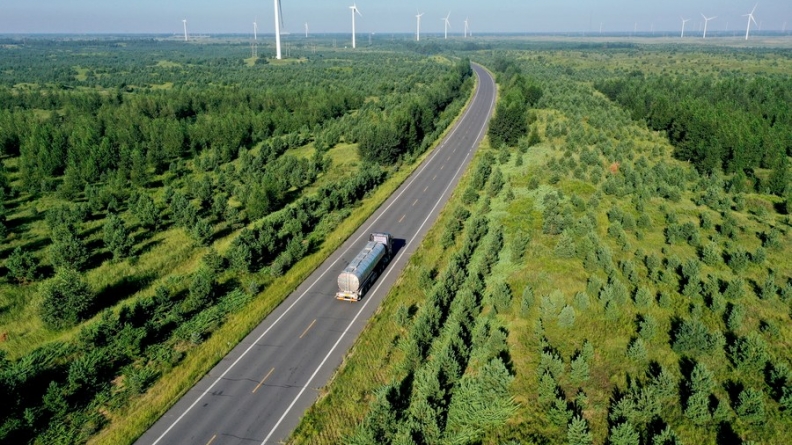
From desert dunes to green forests and fertile farmland, Tongliao in Inner Mongolia offers a blueprint for ecological and economic restoration.