From Poverty Alleviation to Enduring Rural Prosperity
 Facebook
 Twitter
 Linkedin
 Google +
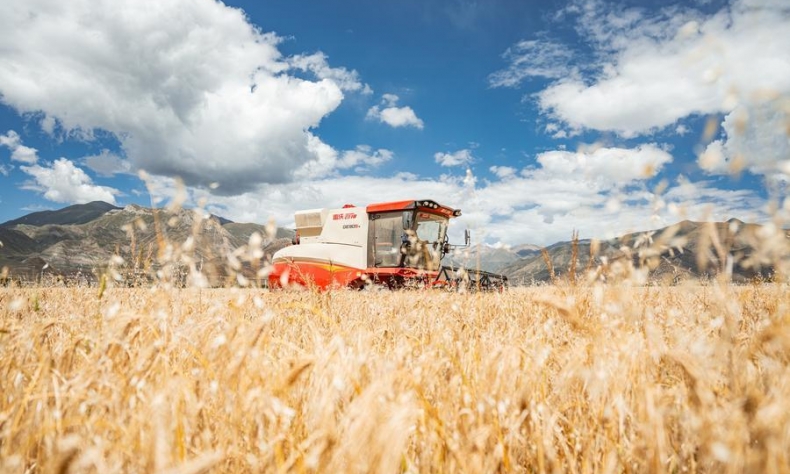
As the country begins its 15th Five-Year Plan in 2026, the emphasis on building robust rural industries reflects a strategic solution toward sustainable growth.
China’s push for rural revitalization has entered a critical phase, where industrial development stands as the core engine for long-term progress. As the country begins its 15th Five-Year Plan in 2026, the emphasis on building robust rural industries reflects a strategic solution toward sustainable growth. This approach recognizes that without strong industries, efforts to modernize agriculture and improve rural life risk remaining fragmented. Recent policy directions, outlined at the Central Rural Work Conference in late December 2025, underscore the need to anchor agricultural and rural modernization in industrial strength, ensuring food security and preventing poverty relapse while fostering integrated urban-rural development.
The transformation of China’s rural industries marks a departure from earlier stages focused on basic establishment. Now, the priority lies in creating resilient systems that drive quality growth rather than mere expansion. Rural areas have built a firmer industrial base, moving beyond the simple presence of projects to emphasize their durability and broader impacts. As poverty alleviation gains solidify, local governments prioritize industries that offer lasting benefits, such as enhanced spillover effects on communities. This evolution supports the broader goal of Chinese modernization by providing a material foundation for rural areas to contribute to national development.
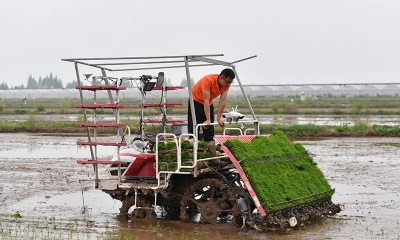
Specialization has emerged as a defining trend, with regions capitalizing on their own unique resources to develop distinctive products and brands. Across the country, specialized agriculture and local specialties have gained momentum, shifting from homogenized competition to paths that complement each other. For instance, in Hubei Province, large-scale greenhouse operations for ecological vegetables demonstrate how tailored industrial bases can boost market potential and income. Similarly, in Chongqing, integrated landscapes combining forests, fields, and greenhouses illustrate the rise of differentiated models that enhance both productivity and environmental appeal. These examples highlight how rural industries are evolving into drivers of community prosperity, aligned with the conference’s call to cultivate wealth-creating sectors at the county level.
Diversification in industrial forms further accelerates this progress. Connections between farming, processing, distribution, and services have deepened, giving rise to multifaceted systems. Rural tourism, product processing, and e-commerce have expanded, transforming single-purpose agriculture into comprehensive operations. In Shanxi Province, live-streaming platforms for specialty agricultural goods show how digital tools integrate rural production with wider markets, broadening income channels. This trend toward integration supports the policy focus on linking farmers more closely to industrial gains, ensuring they benefit as both producers and participants in value addition.
Organizational improvements have also strengthened rural industries. New agricultural entities, such as cooperatives, have grown, enabling farmers to engage through varied channels. This provides a solid structure for revitalization, as seen in the accelerated shift to modern management models. The Central Rural Work Conference emphasized fostering new productive forces adapted to local conditions, and making breakthroughs in core technologies to elevate agriculture into a modern pillar industry.
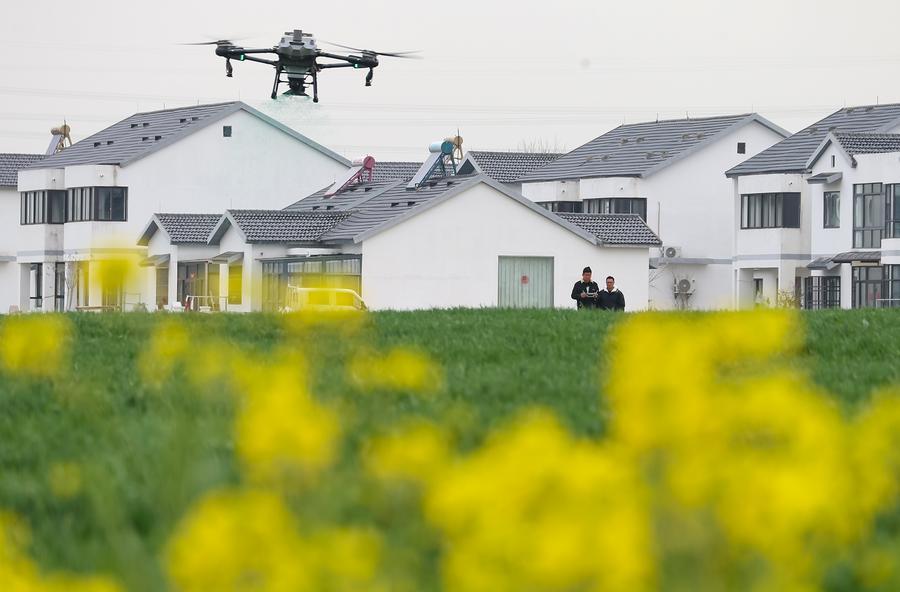
To adapt to these trends, rural industrial development must transition from isolated projects to industrial chain strategies. Complete industrial chains, spanning different stages production to services, increase the added value significantly and enhance stability and resilience. This means moving away from raw material sales toward processed and branded goods, improving efficiency and competitiveness. At the same time, growth should pivot from input-heavy expansion to quality-driven models. Standardization, branding, and market operations become central, with value derived from superior products and services rather than land or labor alone.
Collaboration among stakeholders is essential. Governments should guide through policy and public services, while markets allocate resources efficiently. Enterprises, cooperatives, and farmers must coordinate to create sustainable paths. These shifts aim to elevate rural industries to high-quality levels, providing steady support for revitalization. Recent directives stress preventing large-scale poverty return through coordinated mechanisms and regular support, particularly in less-developed areas. This ties directly to broadening resources of farmer incomes, including for grain growers and migrant workers returning for entrepreneurship.
Key efforts focus on extending industrial chains, upgrading value chains, and refining interest-linkage mechanisms should be given enough attention. Extending chains involves advancing processing, logistics, and services, allowing agriculture to supply higher-value products. This boosts resource use and market edge, as emphasized in plans to upgrade the “vegetable basket” initiative for diverse, quality supplies. Upgrading value chains targets embedding industries in higher systems via standards, brands, and market access, moving from low-end to advanced segments.
Improving linkages ensures shared benefits, encouraging farmer participation beyond production. This fosters stable income growth, aligning with goals of higher agricultural efficiency, rural vitality, and farmer prosperity. The conference highlighted stabilizing grain output, boosting production capacity by 50 million metric tons, and promoting better varieties, all while protecting farmland and enhancing disaster prevention.
These measures provide enduring momentum for rural revitalization. By integrating industrial development with food security and poverty prevention safeguards, China positions rural areas as active contributors to national strength. The 2025 advances in seed industry revitalization, with stronger seed security, exemplify progress. As the 15th Five-Year Plan unfolds, this industrial focus will help build livable villages, deepen reforms like extended land contracts, and promote civilized rural customs.
In a global context, China’s model offers insights into balancing modernization with equity. Rural industries not only secure domestic food supplies but also enhance resilience amid international challenges. This comprehensive approach ensures that revitalization rests on solid foundations, driving sustained development for agriculture, rural communities, and the nation as a whole.
The article reflects the author’s opinions, and not necessarily the views of China Focus.