Hainan FTP: A New Step to Align with International Rules in China’s Opening-Up
 Facebook
 Twitter
 Linkedin
 Google +
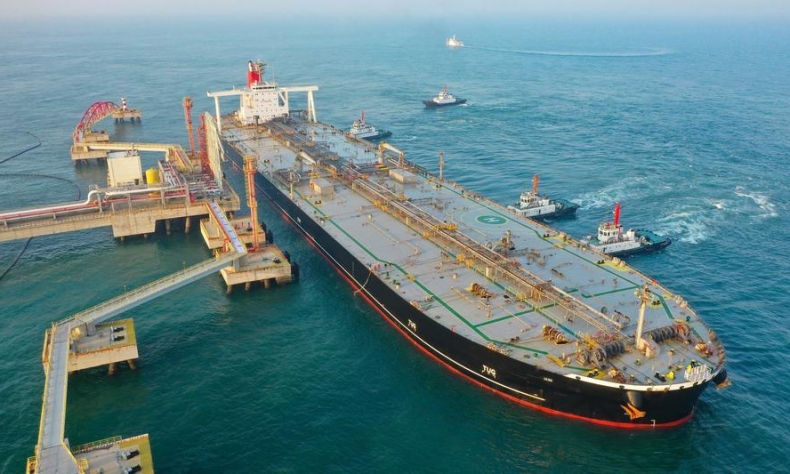
The Hainan FTP underscore China’s determination to advance high-standard opening-up and build the Hainan FTP into an open platform of international influence.
The Hainan Free Trade Port (FTP) represents a significant step forward in China’s pursuit of high-standard opening-up and greater engagement in economic globalization. Following years of exploration, the policy framework for the Hainan FTP has come into being, and the recent launch of island-wide special customs operations marks an important transition – from institutional design to full implementation.
On January 18, 2026, one month into the implementation of the new customs model, the region reported smooth operation and higher efficiency in the flow of goods, people, and capital, all signaling a sound start. This development not only reflects China’s commitment to institutional opening-up but also injects fresh vitality into the regional and global economy amid sluggish worldwide growth.
Building a gateway for opening-up
The Hainan FTP is designed to serve as a strategic gateway for China’s opening-up in the new era. This vision builds on Hainan’s unique geographic and economic advantages and dovetails with the country’s broader strategy of deepening reform and opening-up.
Owing to its unique geographic location, Hainan serves as a natural linchpin linking the Chinese market with that of Southeast Asia. Its rich ecological resources and experience as a special economic zone have laid a solid foundation for economic growth, and the policies for building a FTP there have further empowered its development.
Guided by the Master Plan for the Construction of the Hainan Free Trade Port and relevant laws and regulations, the province is accelerating the formation of a modernized industrial system, promoting integrated institutional innovation, and improving the business environment. These efforts aim to position Hainan as a pivotal hub for two-way investment and business operations. International observers noted that Hainan’s tax and trade facilitation policies could make it a key conduit for Southeast Asian goods entering the Chinese market.
Enabling freer flow of production factors
The Hainan FTP’s policy framework focuses on reducing business costs and improving operation efficiency through institutional innovation. Key features include a “zero-tariff, low tax rate, simplified tax system” and policies enabling the free, convenient, orderly, and secure flow of trade, investment, capital, people, and data.
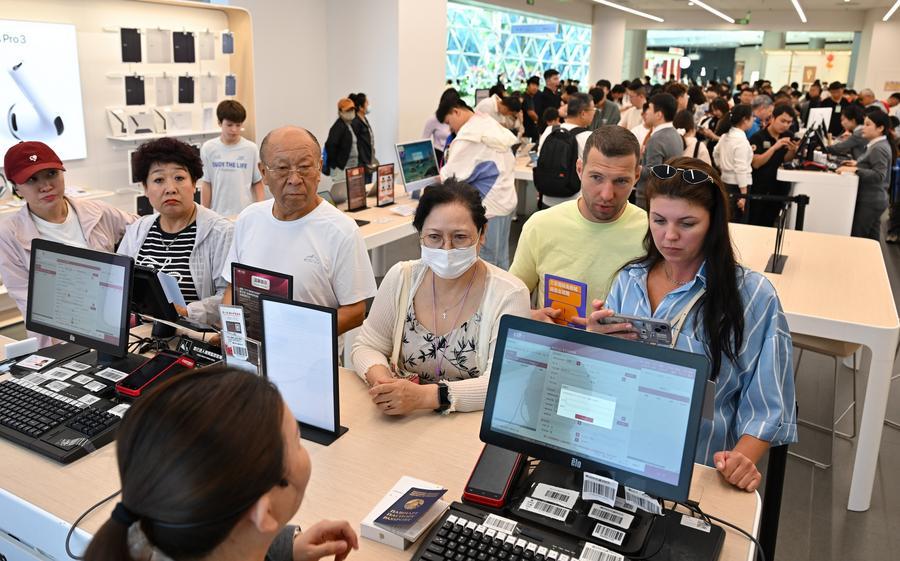
A distinctive customs supervision model – “freer access at the first line, regulated access at the second line, and free flow within the island” – has been implemented since the start of the special customs operations. This approach allows for more relaxed regulation of trade, easier movement of people, and more efficient cross-border capital flows.
Tax reform has been central to institutional opening-up. Hainan’s “zero-tariff” list has expanded from 1,900 to about 6,600 tariff items, covering most entities across the island with actually import needs. Goods can now circulate duty-free among eligible entities in the island and the policies on import duty exemption for locally processed products have been further relaxed. Between the launch of special customs operations on December 18, 2025 and January 17, 2026, the number of entities benefiting from the “zero-tariff” policies increased by over 10,000, with import value rising 38.9 percent year on year to RMB 750 million.
In addition, Hainan has introduced the country’s first negative list for cross-border trade in services, 22 special measures to ease market access, and the shortest negative list for foreign investment in China. As a testament to China’s continuous institutional opening-up, these moves will lead to more efficient movement of personnel, goods, capital, and data.
Aligning with global standards
The Law of the People’s Republic of China on the Hainan Free Trade Port mandates, the Hainan FTP should “take the initiative to adapt to developments in international economic and trade rules and the trends in global economic governance reform, and in carrying out international exchanges and cooperation.” Accordingly, Hainan is actively adopting global standards in areas such as intellectual property, competition policy, government procurement, and environmental protection on the basis of local conditions. The goal is to create a transparent, fair, and predictable business environment.
Hainan is also deepening alignment with high-standard international agreements such as the Comprehensive and Progressive Agreement for Trans-Pacific Partnership (CPTPP) and Digital Economy Partnership Agreement (DEPA), while fully implementing the Regional Comprehensive Economic Partnership (RCEP), to create synergistic policy effects. The FTP’s institutional design draws on international best practices including those from Singapore, Dubai, and China’s Hong Kong. Initiatives such as introducing ad hoc arbitration reflect Hainan’s efforts to offer world-class mechanisms for settling commercial disputes.
These efforts underscore China’s determination to advance high-standard opening-up and build the Hainan FTP into an open platform of international influence.
Yu Yunquan is vice president of China International Communications Group.