Spirit Over the Saddle
 Facebook
 Twitter
 Linkedin
 Google +
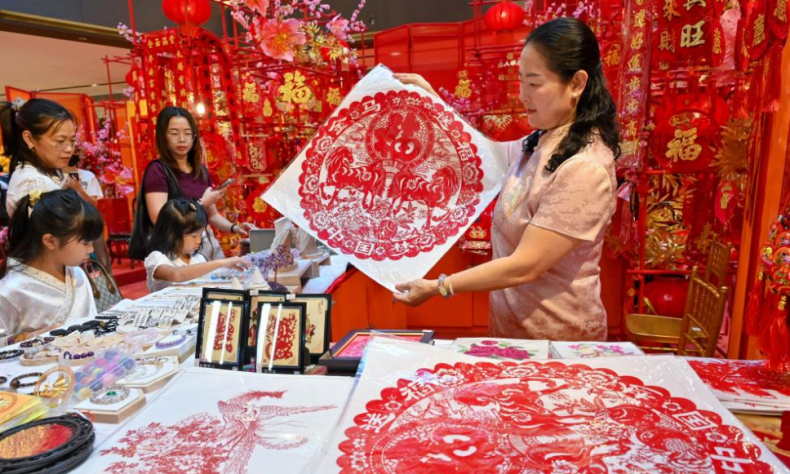
Despite differences in geography and historical trajectory, Chinese and African horse cultures share striking parallels.
In the Chinese lunar calendar, 2026 ushers in the Year of the Horse, a creature that has carried humanity across continents and through centuries. More than a marker of time, the horse embodies vitality, courage, and the relentless spirit to move forward, qualities that resonate not only in China but across the landscapes of many African societies.
Across civilisations, few animals have influenced human history and imagination as deeply as the horse. From the frontlines of ancient wars to the pages of myth and the rituals of daily life, the horse has carried more than bodies and goods, bearing the spirit and values of human cultures.
In China, the horse occupies a place of honour, celebrated in myth, the zodiac, literature and philosophy. In Africa, particularly in northern and Sahelian regions, horses have long symbolised prestige, mobility and protection. Together, the horse traditions of China and Africa speak to both shared human values and the distinctive ways societies celebrate this noble animal.
Horses in Chinese traditions
In Chinese culture, the horse transcends its practical use, standing as a powerful emblem woven into the fabric of history. As one of the 12 zodiac animals, it represents vitality, perseverance, loyalty, freedom and achievement. The Year of the Horse is traditionally regarded as a time of initiative and forward momentum, reflecting the cherished ideal of longma jingshen, meaning the spirit of the dragon and horse, symbolising indomitable strength, ambition and moral vigour.
Chinese mythology offers a glimpse into why the horse commands a special place in the zodiac. Ancient legends speak of the tianma, or Heavenly Horse, a winged creature with extraordinary powers, able to run, swim and fly. Favoured by the Jade Emperor and housed in the celestial stables, the Heavenly Horse gradually grew arrogant. In a reckless act, it defied heavenly order and was punished by having its wings removed and being imprisoned beneath Kunlun Mountain.
Centuries later, when the ancestor of humankind passed Kunlun Mountain, the Heavenly Horse begged to be freed, offering a lifetime of service in exchange. Moved by compassion, the human ancestor freed the horse, which then descended to the human world and faithfully honoured its promise. In times of peace, it toiled in the fields and transported goods; in times of war, it bore armoured warriors into battle, sharing in their struggles and dangers.
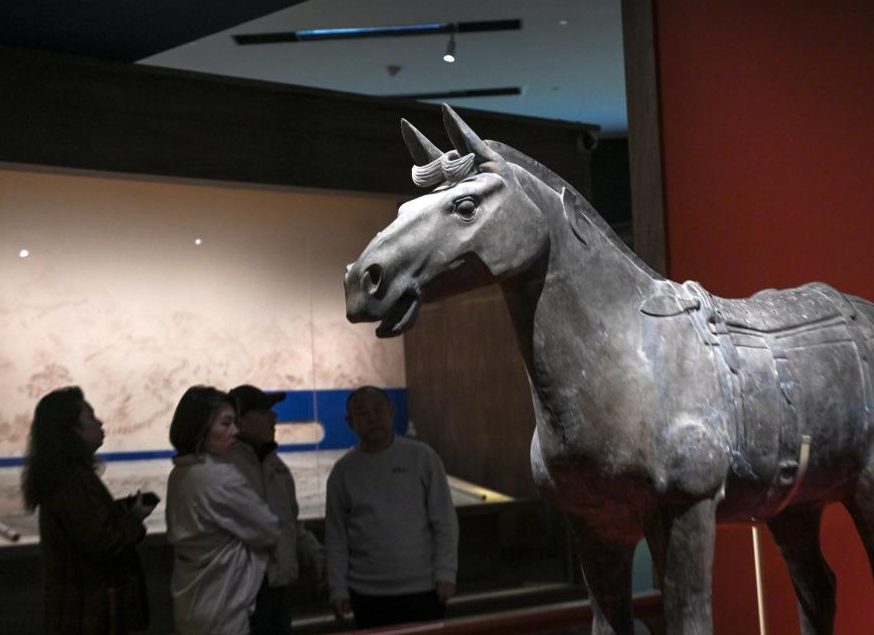
When the Jade Emperor later selected twelve animals to represent the zodiac, the horse was chosen not merely for its strength but for its redemption, loyalty, and indispensable service to humanity. The legend captures a core Chinese value: virtue is expressed through duty, perseverance and care for the greater good, qualities that continue to define the horse’s enduring symbolism.
Throughout history, horses have been vital to China’s growth. From the chariots and cavalry of ancient dynasties to the camel-and-horse caravans that traversed the Silk Road, they powered warfare, agriculture, communication and trade across continents. During the Tang Dynasty, their beauty and grace were admired as much as their strength. Imported breeds from Central and West Asia inspired a wave of artistic expression, leaving enduring equestrian imagery in painting and sculpture.
Within Chinese literature and idiom, the horse embodies talent, fate and ambition. The famed “thousand-li horse” signifies exceptional ability yet to be discovered, and phrases such as ma dao cheng gong reflect the desire for rapid achievement. From ancient poetry and brushwork to modern usage, the horse continues to represent energy, movement and the pursuit of progress.
Horses in African cultures
In Africa, the history of the horse is equally ancient, shaped by different landscapes and social structures. Archaeological evidence, including rich rock art across North Africa and the Sahara, attests to the early significance of horses among Saharan peoples. The domestic horse was introduced to Ancient Egypt around 1600 B.C., likely through contact with the Hyksos, and quickly became central to warfare, state power and artistic expression. Egyptian reliefs, such as those from the reign of Pharaoh Ahmose, vividly depict horses and chariots in battle, marking a turning point in African military history.
Further south, in regions such as northern Cameroon, horses have held cultural significance for centuries. Among groups like the Fulani and Kotoko, horses symbolise prestige, authority and protection. Traditional ceremonies, including horse parades and equestrian dances such as the fantasia, once played a vital role in community life, though many of these practices are now at risk of fading.
Shared values, distinct expressions
Despite differences in geography and historical trajectory, Chinese and African horse cultures share striking parallels. In both traditions, the horse symbolises strength, loyalty, mobility and human aspiration. It is admired not merely as an animal but as a companion in labour, warfare and survival. Both cultures associate horses with prestige and leadership, whether in imperial China or among African chieftains and religious authorities.
At the same time, the contrasts are illuminating. Chinese culture often spiritualises the horse, weaving it into philosophy, mythology, moral ideals and literary symbolism. There, the horse reflects inner character and the spirit of the nation. In many African societies, by contrast, the emphasis remains more communal and ceremonial, highlighting the horse’s role in social hierarchy and collective identity.
Today, as cultural and artistic exchanges between China and Africa flourish, the horse continues to serve as a bridge across worlds.