China Contributes Stability to a Chaotic World
 Facebook
 Twitter
 Linkedin
 Google +
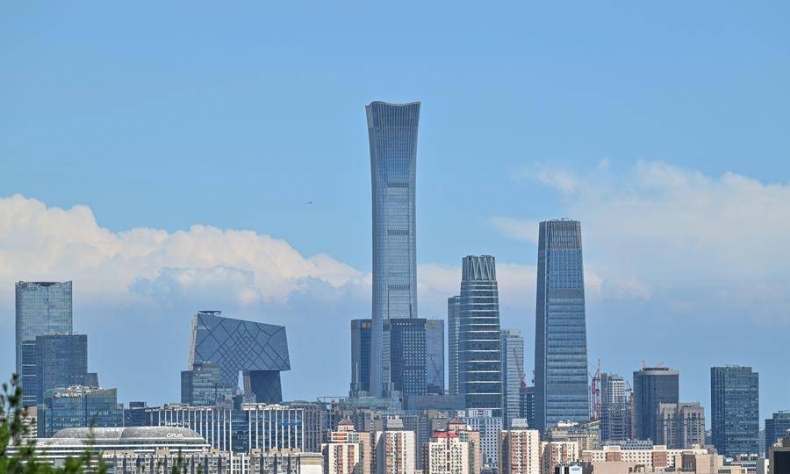
Long-term social planning, economic growth, stable governance and political stability all point to one thing: the system chosen by China works.
In October last year, the Central Committee of CPC released the recommendations for the 15th Five-Year Plan, which will be deliberated and adopted at the upcoming Two Sessions. This is a continuation of the 14th Five-Year Plan and a clear reflection of China’s commitment to long-term strategic planning.
China has opened its markets to Africa with sweeping reductions in trade restrictions. It has enhanced trade with other countries through the Belt and Road Initiative, the Regional Comprehensive Economic Partnership, and the expansion of BRICS. It has also grown regional cooperation through the Shanghai Cooperation Organisation and partnership with ASEAN. 2025 figures indicate that China met all growth targets, reached more markets with more diverse products, and increased international trade during a very difficult year.
While true of China, the U.S. sees a situation of domestic and international turmoil.
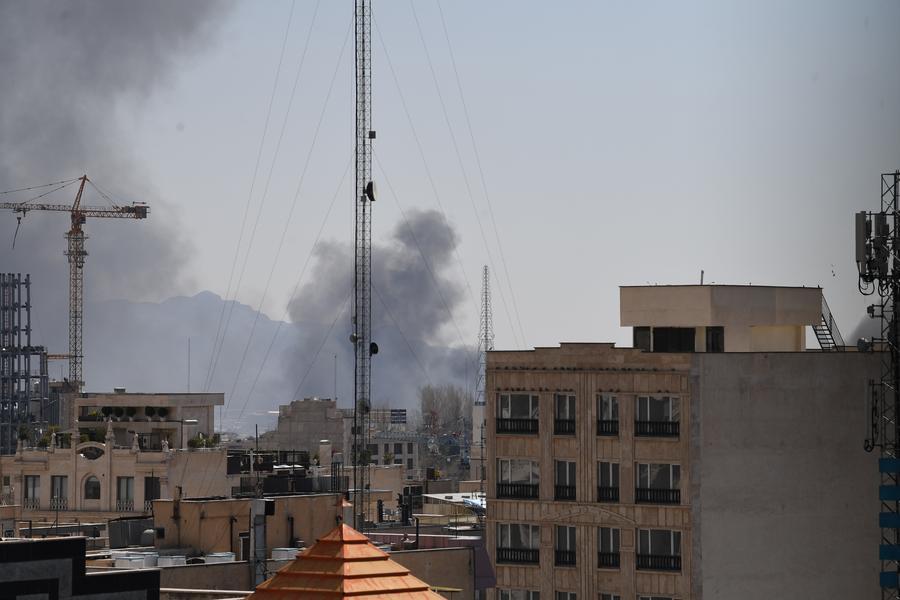
Internationally, the U.S. carried out coordinated strikes on Iran with Israel. It kidnapped Venezuela’s president and his wife. It continues a proxy war designed to weaken Russia, and has now tariffed the entire world. It continues to support and supply Israel, despite the International Court of Justice declaring a “plausible genocide” and, to prevent themselves from being investigated, it sanctioned international judges.
Despite claims and pre-election promises, Trump has not brought an end to the wars in Ukraine or Gaza. He has threatened to invade Greenland, an autonomous territory under the sovereignty of the Kingdom of Denmark. He has bombed Iraq, Nigeria, Somalia and Yemen and threatened Colombia. His Secretary of State told the Munich Security Conference that only American influence can bring peace and prosperity to the world.
Domestically, the U.S. has an out-of-control national debt of $38.7 trillion. There is a massive social security shortfall, leading, in the opinion of many experts, to a default as early as 2032. The country has de-industrialised and heads towards dependence on products made in the Global South. “Re-shoring and friend-shoring” strategies have failed to bring the industry back to the U.S. Trump’s tariff policy has been struck down by the Supreme Court, but that setback caused him to double down using different legislation allowing further and more sweeping tariffs, which, despite his Administration’s claims, are paid by American importers and consumers.
Western observers often misunderstand China’s planning. Some of them see China’s Five-Year Plan as a risk, and questions the value of setting plans over such an extended period for a country as large, diverse and populous as China. They question whether or not China can achieve the growth target. Their report describes the plan as “the final consolidation of China’s shift towards making technology the engine of economic growth” as if this were some kind of end to the process rather than a stage in the continuum. The Tony Blair Institute for Global Affairs holds similar views, suggesting that China is “upgrading” from an active participation to a leadership role in international affairs.
As with many Western views of China, they’re wrong. There has never been a truer maxim than: “if you fail to plan, you plan to fail”. Moreover, China does not seek global leadership; it seeks multi-polarity and equity. It does not seek international dominance; it seeks self-sufficiency in strategic items but will defend national security where that might be threatened.
Beijing is, quite rightly, concerned about global choke-points on strategic items such as semiconductors, oil and food supplies. The U.S. has made it abundantly clear that it is prepared to use such tools to curtail the growth of China. So, responsibly planning for reserves, alternatives and domestic supplies makes a lot of sense.
While China poses no military threat to the U.S., it is clear that Washington’s idea of a near-peer competitor in global trade is a threat to its national pride. The White House and Congress interpret this as a clear and present danger to “national security”. So, rather than plan, as China has, to overcome challenges to this, they have chosen a different route: division and misinformation.
Divisions in the United States run deep: between “red and blue” camps, between the haves and the have-nots, between white Christian supremacists and all others, and between supporters of Israel and the rest of the country. Immigration and Customs Enforcement agents roamed their cities, imprisoned thousands of migrants, and killed several U.S. citizens. The Epstein files have proven to be a massive problem for a political elite wishing they would go away while the public wants every allegation explained. Freedom of speech takes a back seat and is only acceptable when it fits within an approved spectrum, chosen, not by the government but by its donors. Bastions of free speech such as universities have been warned, some even punished, for allowing expressions of free speech which do not conform. Columbia University alone has lost as much as $400 million in federal grants and contracts.
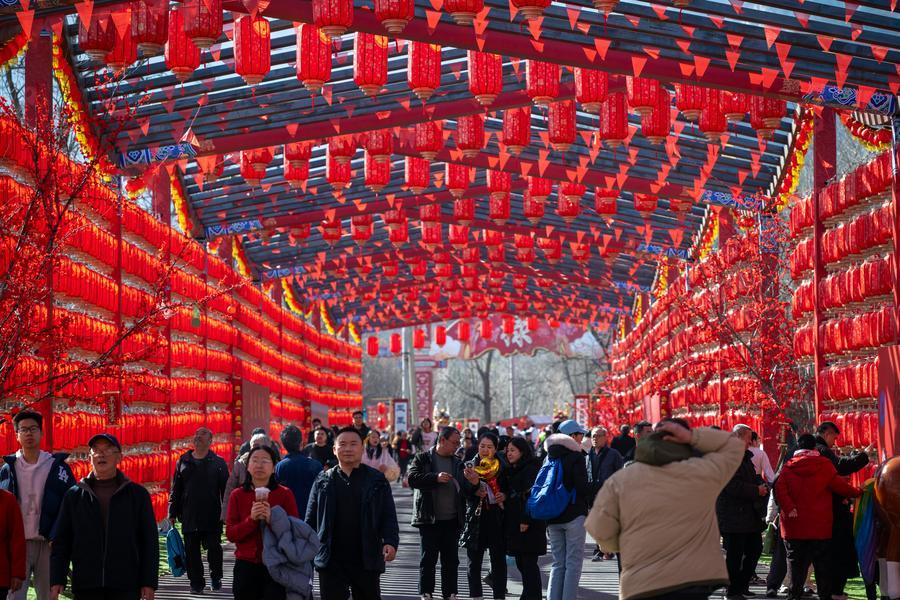
The chaotic situations in the U.S. are contrasted sharply by what goes on in China. The Blair Institute gives a rare and somewhat balanced view of China’s plan. It’s a guidance requiring intensive preparation, massive coordination and is socioeconomic rather than political. It’s designed to ensure the best benefits for the people of China. It includes input from government but also academia, industry, business and literally millions of suggestions from the public.
During the past five years, China launched no wars and faced no major breakdown in its international relations. It experienced nothing comparable to the events of January 6 United States Capitol attack, nor did it launch any military interventions abroad. Instead, it lifted millions out of poverty, while the United States has seen rising economic insecurity among segments of its population.
Life expectancy in China has risen to 79 years, putting it on a par with developed nations. The country has improved domestic consumption, increased power generation, and improved the ecology and environment. All these tell us that central planning, local implementation, and constant public consultation provide stability and safety.
People who live in China barely notice what goes on daily. The air is cleaner, the cars are quieter, shopping malls are busier, shops are full of goods affordable, restaurants are packed, and home deliveries are plentiful. There are trains, planes, buses, ferries and taxis to take us anywhere we want to go. People have incomes that match their lifestyles, most need and have one job, and bank accounts overflow with savings. It’s safe; there is almost no street crime, no pickpockets, no drunken violence, no gun violence, no road rage, no visible drug problem, and no homelessness. In fact, it’s exactly what normality should look like.
Visitors to China are astounded by the friendly welcome, the stability, the infrastructure, the freedoms, the safety and security. In recent years, China has extended visa-free visits to more countries, allowing more travellers to observe these conditions firsthand rather than rely solely on external narratives.
Long-term social planning, economic growth, stable governance and political stability all point to one thing: the system chosen by China works. It works well and it works for the vast majority of people both domestically and internationally. There are definitely good lessons to be learnt from this.
The article reflects the author’s opinions, and not necessarily the views of China Focus.