Reading China’s Economic Signals: Innovation, Demand, and Global Engagement
 Facebook
 Twitter
 Linkedin
 Google +

China’s next stage of development will be based on innovation-led growth, upgrading industries, going digital, and going green.
The Government Work Report from China each year provides important information on the country’s economic priorities. This year’s report is especially important because it not only examines how the economy has been performing recently but also outlines policy direction as China enters its 15th Five-Year Plan period (2026–2030).
For people outside of China, the most important question is not just how the country will keep growing, but how it plans to change the things that drive growth in a world that is becoming more complicated. The report says that China is speeding up a strategic shift toward development led by innovation, upgrading its industries, and increasing demand at home, all while staying involved with the global economy.
These priorities, when looked at as a whole, show the way for China’s next stage of growth.
Innovation as the main driver of growth
The Government Work Report makes it very clear that innovation will continue to be the main force behind China’s economic change.
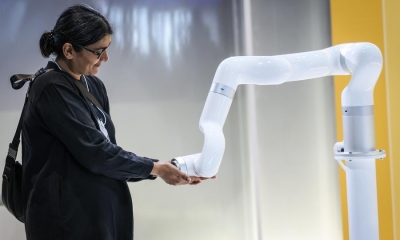
China’s leaders have stressed how important it is to speed up high-level technological self-reliance while also encouraging what policymakers call “new quality productive forces.” These include new fields like green energy, biotechnology, advanced manufacturing, and artificial intelligence.
China is also doubling down on investment in cutting-edge technology and digital infrastructure to support this transition.
This focus is based on a larger economic truth: as economies grow, long-term growth depends more on productivity gains made possible by new ideas. China’s early stages of development were helped by investments in infrastructure and manufacturing capacity. Today, the focus is on scientific research, new technologies, and making money from new ideas.
China’s approach stands out because of how big and well-organized its innovation ecosystem is. It is important for universities, research institutes, businesses, and government agencies to work together to speed up the research and development of new technologies.
The growing role of businesses is just as important. The Government Work Report talks about policies that encourage businesses to take the lead on research projects, work together on new ideas, and work on big national technology projects. Tax breaks and other forms of financial help are meant to get both big tech companies and smaller, more creative businesses to do more research and development.
In other words, innovation is no longer limited to labs. It is becoming the main idea behind the next chapter in China’s economy.
New quality productive forces and industrial upgrading
The report’s second main point is how to modernize China’s industrial base.
China’s amazing economic growth has been based on its strong manufacturing sector and its role in global supply chains. The next step in development is to improve on this foundation by moving into more advanced manufacturing and high-value industries.
The idea of “new quality productive forces” shows this goal. It shows how important digital technologies, smart manufacturing, and green industries are becoming for economic growth.
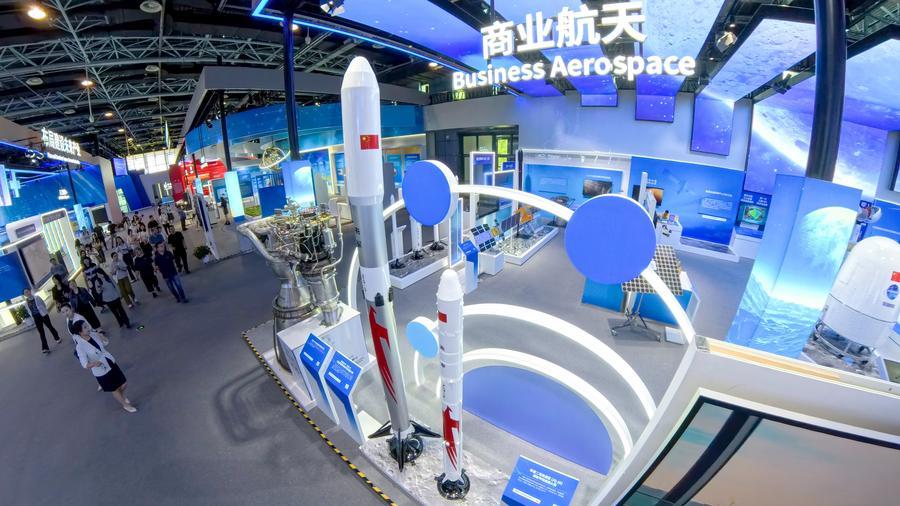
This change has big effects on the world economy. As Chinese companies get better at making electric cars, robots, clean energy technologies, and advanced materials, they will have more of an impact on the global industry’s competitive landscape. At the same time, upgrading industries may also create new chances for international cooperation in research, supply chains, and investment.
Boosting demand at home
The Government Work Report also talks a lot about how to boost domestic demand. Exports and investments have always helped China’s economy grow. But policymakers have been putting more stress on the need to strengthen the domestic market as a long-term source of growth.
Higher incomes for families, more people moving to cities, and better social welfare systems are all expected to lead to more consumer spending. In a world that is always changing, an economy that is more focused on consumption can be more stable.
Boosting demand at home also helps insulate the economy from excessive reliance on foreign markets in a volatile global environment where sudden changes in tariff rates can disrupt even the best business plans overnight.
One of the best things about China’s economy is how big its domestic market is. China has more than 1.4 billion consumers, which means that businesses in many fields, including healthcare, education, technology, and entertainment, can find opportunities there.
The 2026 Spring Festival holiday season demonstrated that Chinese consumers still have money to spend when they choose to do so.
China’s consumer economy is still one of the most important long-term growth markets in the world for multinational companies.
The new economy and digital transformation
China’s progress in going digital is another important part of its economic modernization. The country has built one of the most dynamic digital ecosystems in the world over the past ten years. Mobile payments, e-commerce platforms, logistics networks, and digital public services are all part of daily life.
The next step in digital development will probably be to focus on AI, digitalizing industries, and bringing digital technologies together in areas like finance, healthcare, and manufacturing.
Digital technologies are changing not only industries but also making them more productive and giving more people access to services. In this way, the growth of a “Digital China” will affect both the economy and society.

The energy transition and green development
The Government Work Report also shows that China is still committed to green development.
China is already a world leader in using renewable energy, electric cars, and energy storage technologies. To reach its environmental goals while keeping the economy growing, China will need to keep putting money into clean energy infrastructure and green innovation.
China’s progress in this area is important not just for China but for the whole world. China is the world’s biggest energy user and a major manufacturing economy. Its shift toward greener growth will influence global energy markets and climate cooperation. In many ways, green development is becoming a new area for countries to work together on their economies.
China and the world economy
China’s economy is still very much linked to global markets, even though there is more focus on technological capabilities and domestic demand.
International trade, foreign investment, and scientific collaboration across borders are still very important for the country’s growth. In fact, international cooperation is still possible and helpful in many of the areas that the Government Work Report lists as priorities, such as innovation, digital transformation, and green development.
Many global companies are also considering establishing AI research centers and “listening posts” in China in order to better understand developments in one of the world’s most dynamic innovation ecosystems.
China will continue to be a major player in the global economy because of its large economy, strong manufacturing base, and growing ecosystem for innovation.
The message is clear for businesses, investors, and policymakers all over the world: China’s economic change is not happening in a vacuum. It is happening in a global system where trade, technology, and new ideas are becoming increasingly important across national borders.
Looking ahead
The Government Work Report gives us a look at the strategic goals that will guide China for the next five years.
China’s next stage of development will be based on innovation-led growth, upgrading industries, going digital, and going green. These priorities show a bigger trend toward an economy that is more environmentally friendly, tech-driven, and focused on consumption.
For this change to work, China needs to be able to support entrepreneurship, promote technological breakthroughs, and stay open to working with other countries.
China’s development path will continue to get a lot of attention from around the world, even though the global economy is uncertain.
As innovation helped China grow over the past ten years, the next question is how innovation, along with openness and sustainability, will shape China’s place in the world economy in the next ten years.
The article reflects the author’s opinions, and not necessarily the views of China Focus.