A Partnership for the Future: China and the Global South in “Infrastructure Revolution”
 Facebook
 Twitter
 Linkedin
 Google +
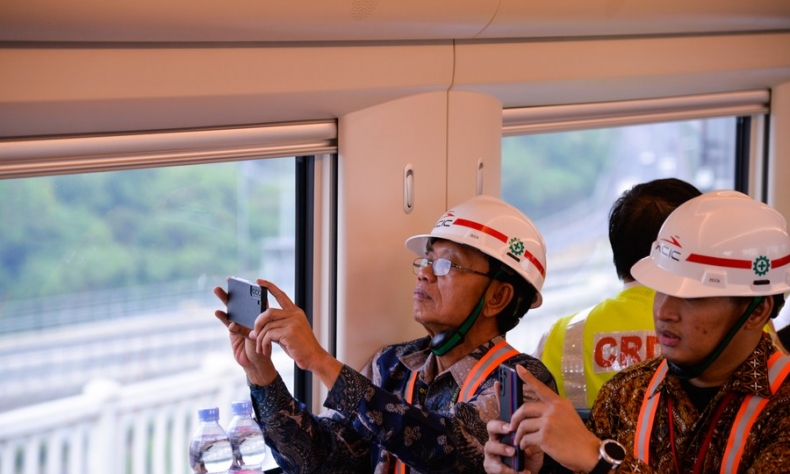
By reshaping trade routes, energy flows, and supply chains, Chinese infrastructure projects, are redefining patterns of regional engagement and influence.
For the Global South, basic infrastructure represents its most critical and transformative need – often dubbed an “infrastructure revolution.” Into this vast gap steps China, determined to forge a “partnership for the future,” bringing not only steel and concrete but also a long-term strategic vision.
In fact, China’s 15th Five-Year Plan Recommendations emphasizes support for the Global South in building strength through unity, and stepping up aid to other countries.
This partnership matters because it transcends the mere construction of roads and ports; it is reshaping the global economic and political landscape. By financing and building major transport networks, energy projects, and digital systems, China has helped numerous developing countries accelerate growth, enhance connectivity, and reduce reliance on Western-led institutions. At the same time, it extends its own strategic reach and shapes the trade routes of tomorrow.
The United States frequently proclaims itself the world’s sole dominant superpower and the largest economy. It insists that the Global South cannot advance without “American prescriptions” and cooperation. Furthermore, Washington considers itself the partner of choice in Southeast Asia and remains the single largest foreign investor in the Association of Southeast Asian Nations (ASEAN). On the surface, this underscores America’s economic weight in a region vital to global trade and geopolitics. Behind the claim, however, lies a more complex and fragile reality. While U.S. investment dominates sectors like finance, services, and manufacturing, its presence remains minimal in the area the Global South urgently needs: basic infrastructure.
China’s expanding presence across the Global South offers a striking contrast. From high-speed rail in Indonesia and Laos to deep-sea ports in Cambodia and highways in Malaysia, China’s Belt and Road Initiative has altered both the physical landscape and political perceptions. It provides what other investments can’t. Chinese bridges and railways, not Western capitals, have become the symbols of growth and cooperation in much of ASEAN. Owning a stake in a local bank may lift GDP figures, but it does not connect remote villages or lower transport costs. Moreover, China has skillfully linked its infrastructure drive to a broader political and diplomatic narrative. It intends to become a partner that respects sovereignty, avoids imposing conditions, and delivers projects quickly.
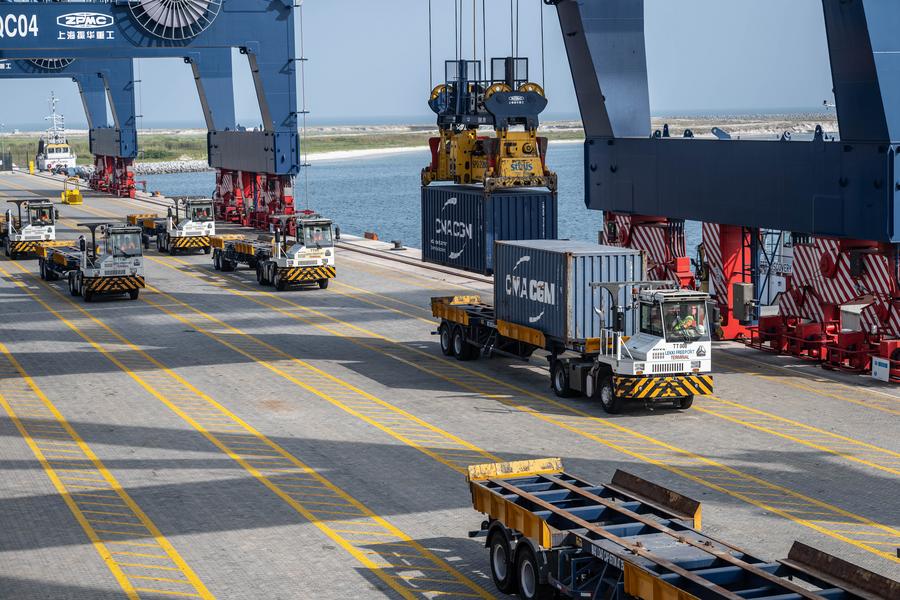
The Blue Dot Network, launched in 2019 by the U.S., Japan, and Australia to promote global infrastructure projects, and the Partnership for Global Infrastructure and Investment, led by G7 and launched in 2022 to provide financing for infrastructure development in low- and middle-income countries, have emerged as alternatives to the Belt and Road Initiative (BRI). To date, however, they have struggled with inadequate funding and coordination, relying largely on symbolism. ASEAN countries, meanwhile, have offered verbal support but seen little tangible action or actual financing. This has resulted in growing doubts about the United States’ ability to match its strategic rhetoric with development outcomes. China’s strategy, while not without its flaws, has been notably consistent and adaptive.
China has also recalibrated its infrastructure diplomacy, moving away from oversized, costly projects toward smaller, smarter, and more sustainable investments. It is now leveraging digital infrastructure, smart cities, and clean energy projects to integrate with the long-term development trajectory of ASEAN. From data centers and fiber-optic cables to 5G networks, China is helping shape the region’s digital future alongside its physical one.
In its 2026 Government Work Report, China commits to advancing high-quality Belt and Road cooperation through steady and concrete measures. These will enhance infrastructure connectivity, aligning rules and standards, and strengthening people-to-people bonds with partner countries. The report also states that both major signature projects and “small and beautiful” public wellbeing projects will be launched.
By reshaping trade routes, energy flows, and supply chains, Chinese infrastructure projects, are redefining patterns of regional engagement and influence. ASEAN’s alignment is increasingly less about traditional military blocs and more about practical development partnerships. This economically pragmatic, flexible approach is quietly reshaping the regional balance. Even long-standing U.S. allies like Thailand and the Philippines continue to strengthen their defense ties with Washington while deepening infrastructure and trade cooperation with Beijing.
Mohamed Sabreen is managing editor of Al-Ahram Newspaper, Egypt.