An Arithmetic of Sharing
 Facebook
 Twitter
 Linkedin
 Google +
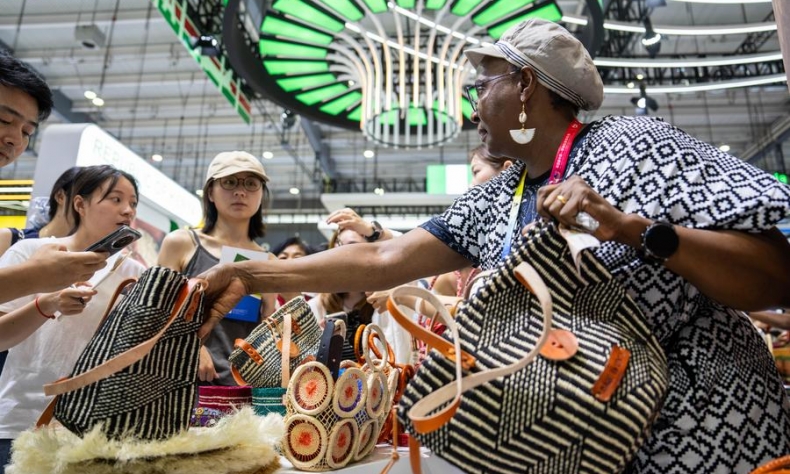
The ‘arithmetic’ of zero tariffs provides a solution that goes beyond trade; it is a tangible demonstration of the Global South’s commitment to pursuing modernisation collectively, based on cooperation and mutual benefit.
A transformative policy is set to significantly reshape economic relations between China and Africa.
China’s policy to grant zero-tariff treatment to imports from the 53 African nations with diplomatic ties will go into effect on 1 May this year. This initiative, which Chinese Foreign Minister Wang Yi likened to an arithmetic operation during this year’s Two Sessions, marks a further step in China’s efforts to boost imports from Africa.
By removing tariff barriers, China aims to boost trade, multiply benefits for the people, and help Africa to access the enormous opportunities of the Chinese market, Wang said. Behind this simple arithmetic lies not only a strategic response to an increasingly uncertain global landscape, but also a tangible step towards realising the vision of a China-Africa community with a shared future.
A meaningful move
China’s decision to further open its economy gains even greater importance in the face of a rise in trade protectionism and the growing use of tariffs by certain major powers. According to data from China’s General Administration of Customs, trade between China and Africa reached $348 billion in 2025, marking a 17.7-percent year-on-year increase and setting a new record. As a result, China has maintained its position as Africa’s largest trading partner for the 16th consecutive year.
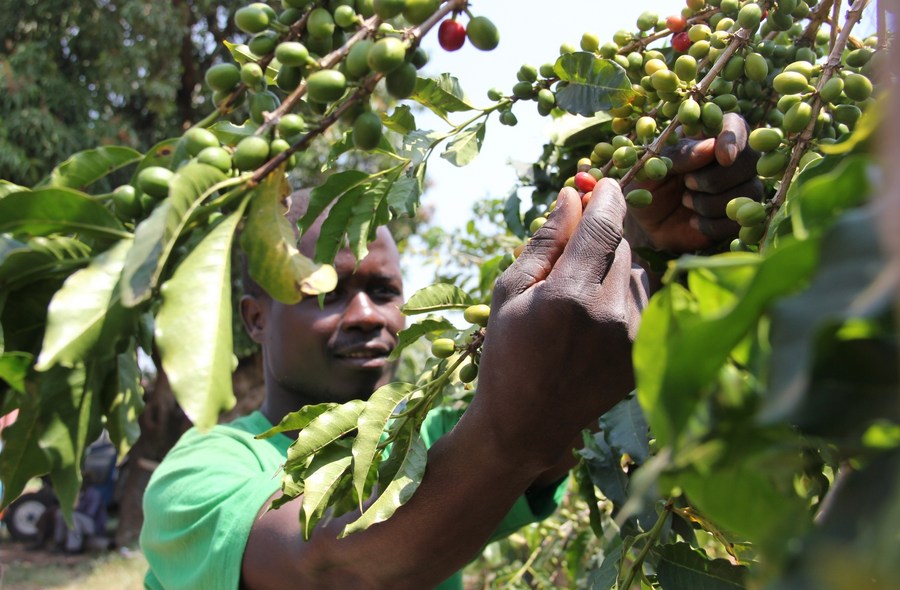
In this context, the complete exemption from tariffs means that African products such as coffee from Ethiopia and Kenya, dried Chilies from Uganda, and fruits from South Africa will be able to enter the Chinese market at more competitive prices. This measure not only benefits African exporters, but also enriches the range of products available in China, helping to meet the growing demand for diverse, high-quality goods.
Beyond the statistics, this policy conveys a clear message: China is committed to stable trade and multilateralism. In a time when global commerce is marked by uncertainty, China is providing African economies with much-needed predictability.
As Zhao Yongsheng, a research fellow at the Institute for Global Value Chains and director of the French Economy Research Centre at China’s University of International Business and Economics, explained, the tangible and shared benefits created by the zero-tariff policy exemplify the China-Africa community with a shared future for the new era. In his view, the policy reflects a strategic approach that emphasises long-term gains and mutual benefit rather than short-term calculations.
Structured cooperation
The zero-tariff policy, however, is only one part of a broader strategy. A Kenyan flower, picked in Nairobi and delivered to a vase in Shanghai in less than 20 hours, serves as a prime example of how trade facilitation, efficient logistics networks, and swift customs procedures work together to drive efficiency.
Concrete actions underscore this growing momentum. In Brazzaville, capital of the Republic of the Congo, a China-Congo economic forum focused on the new opportunities linked to the zero-tariff policy saw businesses from both nations sign agreements aimed at developing transnational value chains. The “R&D in China + African raw materials + Chinese market” model is gradually coming together, bolstered by “green corridor” mechanisms and expedited customs processes.
The most profound impact of this policy is likely to be felt through its ripple effect on industrial chains. By facilitating access to the Chinese market, it encourages Chinese companies to invest in Africa, enhance local processing capabilities, and promote technology transfer. The ultimate aim is to help African economies to move beyond their historical role as raw material exporters and progress up the global value chain.
Denis-Christel Sassou Nguesso, minister of international cooperation of the Republic of the Congo, welcomed the policy, stating that zero tariffs will boost the added value of African agricultural and industrial products. Through a combination of market access, investment, and technology transfer, China is responding to Africa’s industrialisation goals.
A tangible shared future
The true significance of this policy extends beyond economics; it lies in its power to turn the abstract idea of a community with a shared future for humanity into a tangible reality.
When African coffee beans flow into Chinese cafés duty-free, when consumers experience South African wines, or when young Africans secure stable jobs in local businesses backed by Chinese investment, China-Africa cooperation becomes an integral part of daily life.
According to Zhao, the policy’s multiplier effects play out across multiple timelines: in the short term, it raises employment and incomes in Africa; in the medium term, it builds industrial capacity through investments and technology transfer; and in the long term, it cultivates a growing group of African consumers who may become a key source of demand for Chinese goods. This creates a virtuous cycle that goes beyond trade.
As Foreign Minister Wang remarked during the Two Sessions, this development is part of a rich history. From the visits to Africa by former Chinese Premier Zhou Enlai to the sacrifices made by Chinese engineers during the construction of the Tanzania-Zambia Railway, China-Africa relations have withstood the test of time and international uncertainties. Today, the zero-tariff policy extends this legacy, converting it into concrete opportunities for development.
At a time when some countries are retreating behind barriers, China is opting for openness and collaboration. The “arithmetic” of zero tariffs, therefore, provides a solution that goes beyond trade; it is a tangible demonstration of the Global South’s commitment to pursuing modernisation collectively, based on cooperation and mutual benefit.