 Facebook
 Twitter
 Linkedin
 Google +
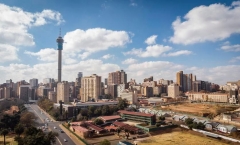
Africa’s BRICS Opportunity
The grouping can widen Africa’s options, but the continent’s ability to shift from resources to productive power will determine the outcome.

The grouping can widen Africa’s options, but the continent’s ability to shift from resources to productive power will determine the outcome.
Over five years, the Global Development Initiative (GDI) has grown from a Chinese proposal into a multilateral effort backed by more than 130 countries and international organizations, restoring development to the center of global governance.

The visit consequently points towards a China-Africa relationship increasingly shaped by the interaction of trade, production, technology, finance and security.

China and Africa are forging new pathways for artificial intelligence, connecting technology with local needs, development and global cooperation.
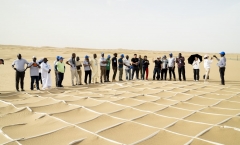
Through shared innovation, technology transfer and ecological restoration, China and Africa are building new solutions to combat land degradation and strengthen climate resilience.
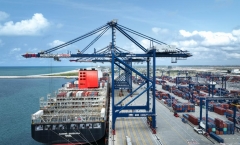
China’s proposals for reforming global governance underscore the continent’s rising influence and its growing role in shaping a fairer international order.
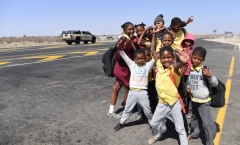
Namibian president discusses her state visit to China, the future of bilateral cooperation, industrialisation and Africa’s place in a changing world.

Traditional Chinese medicine is entering global wellness routines as social media reshapes how tai chi, qigong and cupping are understood worldwide.

The CPC’s governance practices offer experiences of considerable interest not only to China, but also to the wider world.
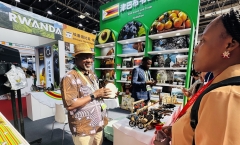
China’s zero-tariff policy gives farmers a golden opportunity to put their best produce forward.
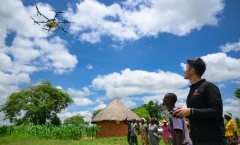
China’s development changed global assumptions about poverty reduction. Africa’s future may now depend on how effectively it adapts those lessons to its own unique development journey.