 Facebook
 Twitter
 Linkedin
 Google +
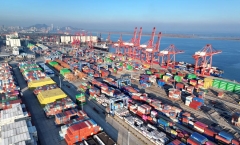
China’s Economy in 2025: Resilience, Rebalancing, and Reinforced Global Confidence
China’s 2025 economic performance demonstrates a successful balance between stability and transformation.
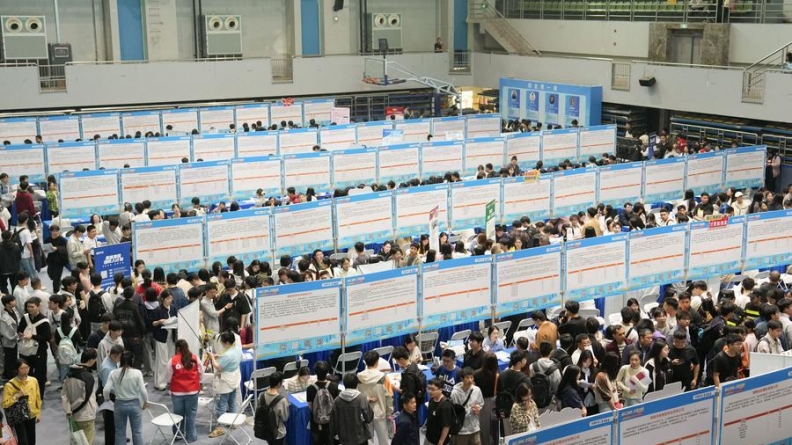
China’s 2025 economic performance demonstrates a successful balance between stability and transformation.

As the industry transitions from policy-driven pilots to a phase of systemic breakthrough, hydrogen energy represents not just a commitment to environmental sustainability but also a real economic goldmine.
The Hainan FTP underscore China’s determination to advance high-standard opening-up and build the Hainan FTP into an open platform of international influence.
The deeper implication of Chinese modernization is epistemic. It inspires the Global South to abandon the illusion that history moves along a single track policed by a single civilization.

As the country begins its 15th Five-Year Plan in 2026, the emphasis on building robust rural industries reflects a strategic solution toward sustainable growth.
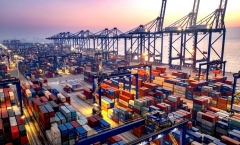
Hainan is becoming a new frontier for China’s opening-up, a new hub for regional mutually beneficial cooperation, and a new engine driving globalization.

While tariffs are raised to guard against perceived unfairness, China is lowering barriers through codified, rules-based systems designed to endure.
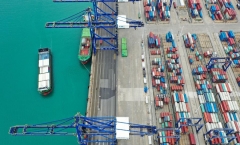
For China, it creates a strategic junction for domestic and international economic circulation, boosting high-level openness to drive domestic reform and providing a pivotal platform for China’s deeper participation in Asia-Pacific economic integration.

Rwanda-China avocado export protocol is a milestone in growing agricultural partnership.
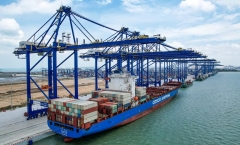
In 2025, China has struck a balance between development and security amid rising global uncertainties and turbulence, sustaining a stable growth trajectory for the next stage of development.
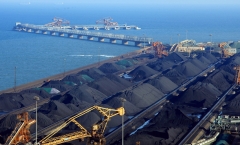
To deal with a polluted by-product of coal production, central China’s Shanxi Province has explored a governance path that addresses both the symptoms and root causes.
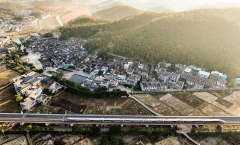
China’s ‘common prosperity’ policy is a multidimensional pursuit of social and economic progress aimed at full realization by 2050.