 Facebook
 Twitter
 Linkedin
 Google +
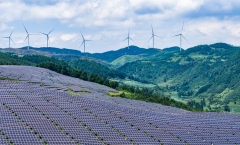
China’s Contributions to Global Climate Governance
With robust clean energy production capacity and engineering construction capabilities, the country has established a complete new energy industry chain.
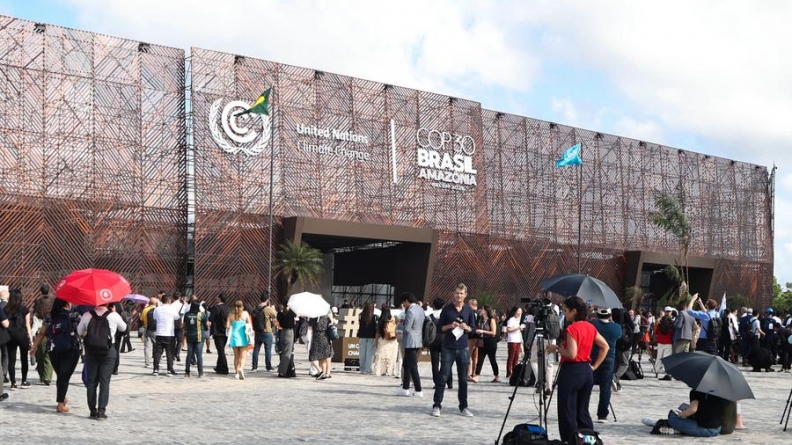
With robust clean energy production capacity and engineering construction capabilities, the country has established a complete new energy industry chain.
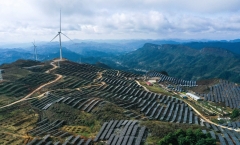
As we commemorate 50 years of China-EU diplomatic relations, this anniversary presents more than symbolic value — it offers a critical opportunity to shape a shared sustainable future.

Optimism for China’s role is well-founded, given its position at the forefront of global climate governance, its demonstrated commitment to climate issues, and its capacity to deploy technological expertise for international benefit.
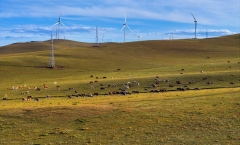
From desert dunes to green forests and fertile farmland, Tongliao in Inner Mongolia offers a blueprint for ecological and economic restoration.

To deal with the triple planetary crisis of biodiversity loss, climate change and air pollution, it needs concerted action. It needs the convergence of public-private partnerships. It needs political will.

Hetian Prefecture’s development practices have proven that deserts are not obstacles to progress, but opportunities for growth.
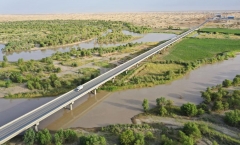
By combining shelterbelts, water-saving technologies, pollution controls and community engagement, Xinjiang is transforming landscapes once considered beyond recovery.
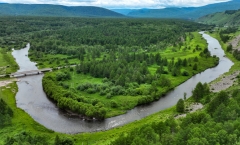
Inner Mongolia, based on its favorable ecological environment, has managed to develop distinctive industries tailored to its local conditions, promoting regional development and providing locals with more job opportunities and business startup platforms.


Through its continued innovation and untiring efforts, China is not only saving its iconic species but also contributing greatly to global biodiversity protection.

While China pioneers a revolutionary model of ecological civilization, some Western nations, faltering under fragmented policies and infrastructural inertia, should catch up, reconciling prosperity with planetary survival.

The more we understand the risks of biodiversity loss, the more we understand that by helping nature, we help ourselves.