 Facebook
 Twitter
 Linkedin
 Google +
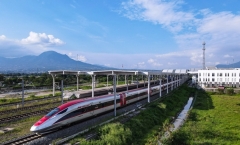
The Global Rise of China’s High-Speed Rail Network
From Africa to Southeast Asia, China’s high-speed rail model shows how connectivity can drive development and why the future of global growth may increasingly run on high-speed rail.
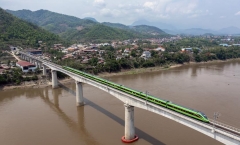
From Africa to Southeast Asia, China’s high-speed rail model shows how connectivity can drive development and why the future of global growth may increasingly run on high-speed rail.
China’s Global Development Initiative delivers clean stoves, digital infrastructure and new technologies to developing nations while Western aid remains trapped in bureaucratic debates and broken promises.
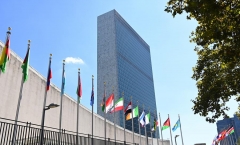
The GGI is China’s contribution to the world as a vital public good, providing a constructive, inclusive and action-oriented way out of the dangers of division and conflict.
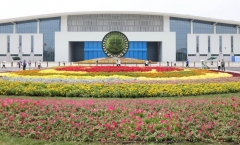
The launch of the GGI at the SCO plus summit reflects China’s growing confidence as both a major economy and a member of the Global South.

To deal with the triple planetary crisis of biodiversity loss, climate change and air pollution, it needs concerted action. It needs the convergence of public-private partnerships. It needs political will.
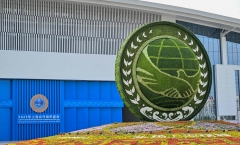
The GGI—espousing the purely positive principles of sovereign equality, abiding by international rule of law, multilateralism, the people-centered approach, and taking real actions—is not formed in opposition to the existing international system or even the U.S. itself.
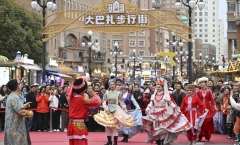
Xinjiang’s progress has enhanced the people’s sense of gain, fulfillment and security.
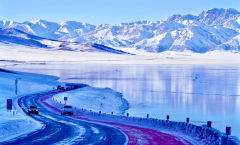
From its breathtaking landscapes to its rich cultural traditions, from time-honored customs to signs of modern progress, Xinjiang captivates with a charm that is unique.
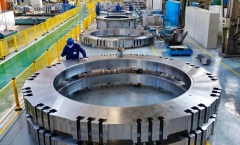
Through its unique five-year planning system, China demonstrates how long-term, strategic policy continuity can effectively address both domestic and global challenges.
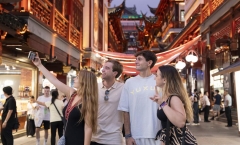
The deeper impact of visa-free travel lies beyond economics. It allows visitors to experience China firsthand rather than relying on secondhand portrayals through the media.
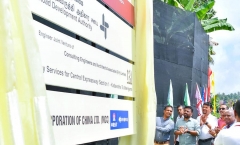
It is, therefore, more than a road; it is a turning point, signaling international confidence in Sri Lanka’s recovery and a concrete step toward national renewal.
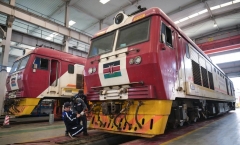
The GGI reflects a broader vision that has been articulated for years: building a community with a shared future for humanity. The GGI attempts to codify this vision into actionable principles, offering an alternative to unilateralism and power politics.