
Rules-Based World Order: a Legacy of the Colonial Hierarchy
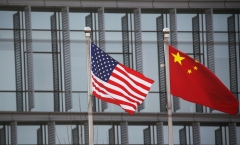
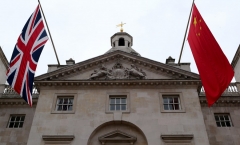
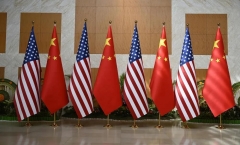
Competition and cooperation imply equality but it is U.S. policy to maintain, at all costs, a colonial hierarchy it calls the ‘rules-based order’ in its relationship with China.
The time has now come for the U.S. to put its money where its mouth is and lift the embargo on PV products from Xinjiang. Seizing these products from China will only cease powerful sustainable growth in the U.S.
‘Development’ became the key word at the G20 Bali summit in China’s proposal for steering the world out of the current predicament, to make global development more inclusive, beneficial to all, and more resilient.
It is impossible to forge cooperation and partnership without consensus on threats or shared concerns of threats with regional actors.
The international community’s response to climate change now faces severe challenges and developing countries have suffered the most from global warming. It urges developed countries to step up to their historical responsibilities and fulfill their due international obligations.
The G20 summit in Bali is not likely to be a great game-changer. However, it is a significant diplomatic breakthrough for China to pursue its multilateral vision and engage with several countries. Governments must work together and push for the bigger picture if real progress is to be made.
There is still much work to be done and some re-thinking needed among the West’s political elites about how to create a stable and peaceful world. While the Xi-Biden meeting proved to break the ice, we still have a way to go before we experience a real thaw in the China-U.S. relationship.
China has promoted a new pattern of development that is focused on the domestic economy and features positive interplay between domestic and international economic flows.
China will comfortably reach the 25% mark for non-fossil energy in 2030 and is well on track to achieve the mid-century target of carbon neutrality before 2060.
A review of history tells us that every important inflation in the world’s major countries would wreak havoc on the global economy.
Whereas in the age of the Egyptian pharaohs, climate created civilization, modern civilization is now destroying the climate. Hence, the world’s future depends on politics.