How “America First” Is Clearing the Way for a Multipolar World
 Facebook
 Twitter
 Linkedin
 Google +
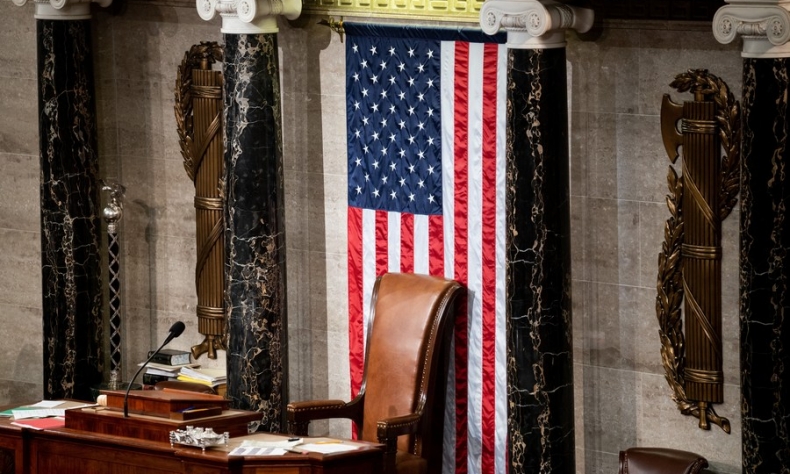
Going it alone sounds tough until it means paying more, knowing less, and reacting later.
The White House’s decision to withdraw from 66 international organizations has been sold as a bold reclaiming of American independence and escape from so-called “bloated bureaucracies, unfair rules, and globalist constraints”. But strip away the slogans and the result looks less like strength than self-sabotage.
As the United States walks away, much of the Global South is doubling down on engagement. BRICS is expanding its ranks and ambitions. ASEAN and the African Union are asserting themselves as serious diplomatic hubs. And China is methodically building influence through institutions such as the Asian Infrastructure Investment Bank and the Shanghai Cooperation Organization – places where power is accumulated by showing up, not storming out.
In today’s world, sovereignty is not asserted through absence but through presence. Power flows to those who remain at the table, shape the agenda, and enforce the rules. When Washington vacates the room, others do not wait – they take the chair.
The Trump administration insists this retreat puts “America First.” In reality, it places America firmly on the sidelines. For decades, U.S. power has rested not only on military and economic strength, but on its unrivalled role in writing the rules, shaping global norms, and convening coalitions that reflected American interests and values. That system delivered enormous dividends: preferential access to markets, political influence disproportionate to raw power, and the ability to shape and manage outcomes long before crises erupted. Walking away from it does not restore freedom of action or protect sovereignty. It simply removes the United States from the process – freeing rivals to redesign the rules, set new standards, and define the future of global governance without American input or consent.
The withdrawals from the World Health Organization, the Paris Agreement, and the UN Human Rights Council were not one-off protests. They were the opening acts of a broader strategy of disengagement. The latest memorandum confirms the scale of the project: a sweeping exit from the very forums where global standards are set, crises are managed, and influence is exercised daily. This is not budget trimming. It is the voluntary forfeiture of power.
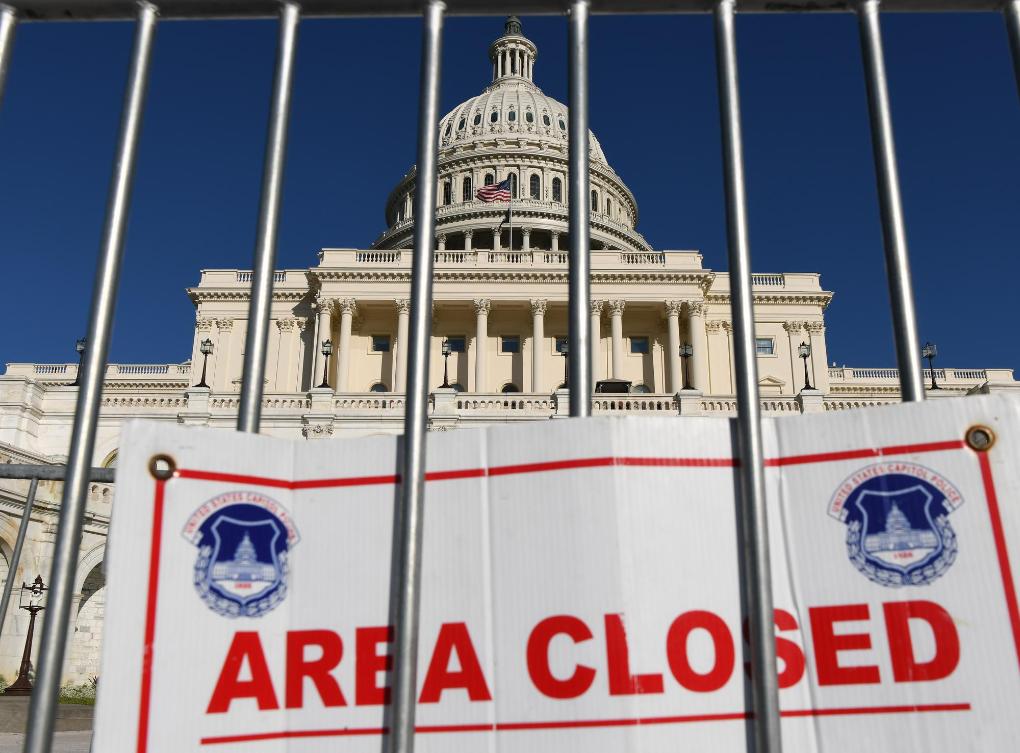
Geopolitics, like nature, abhors a vacuum. Sustained U.S. disengagement will not leave institutions empty as they continue to work; it will leave them reordered. China, in particular, is well positioned to play a larger role – not as a disruptive outsider, but as a patient institutional insider, shaping agendas, procedures, and norms over time.
China is not trying to replace American leadership by copying it; it is rewriting the operating system of global governance. Rather than exporting ideology or demanding political alignment, China foregrounds state sovereignty over intervention and development over conditionality. This approach has gained real traction across Africa, Asia, and Latin America, where Western engagement is often associated with lectures, benchmarks, and intrusive policy strings.
China’s appeal lies less in shared values than in practical outcomes: roads, ports, power plants, and financing delivered with minimal political interference. For governments seeking growth, policy autonomy, and strategic flexibility, China’s message is disarmingly simple investment without interference, partnership without prescription, and the promise of a future framed as shared rather than dictated.
That does not mean the world is lining up behind China. Most countries are far more pragmatic than ideological. They are hedging, multi-aligning, and bargaining using competition between major powers to extract better terms. But that strategy only works when there is competition. If the United States removes itself, China’s leverage grows.
The consequences are not abstract. Multilateral institutions underpin intelligence-sharing, disease surveillance, nuclear monitoring, and counter-terrorism cooperation. Leaving them does not eliminate threats; it blinds the United States to them. “Going it alone” sounds tough until it means paying more, knowing less, and reacting later.
“America First” ultimately rests on a dangerous misunderstanding of modern power. It treats institutions as traps rather than tools, and engagement as weakness rather than leverage. Yes, many multilateral bodies are flawed. But influence is not gained by sulking outside the room. It is gained by organizing inside it.
If this course continues, the world that emerges will be less stable, less predictable, and less shaped by American preferences. And future historians may not see this moment as one of renewal, but as the point at which the United States chose withdrawal over leadership and watched as a rival calmly filled the space it abandoned.
Strength does not come from exit. It comes from engagement. The longer Washington refuses to grasp that reality, the more the world will be shaped without it.
The article reflects the author’s opinions, and not necessarily the views of China Focus.