Pampered Pets, Booming Market
 Facebook
 Twitter
 Linkedin
 Google +
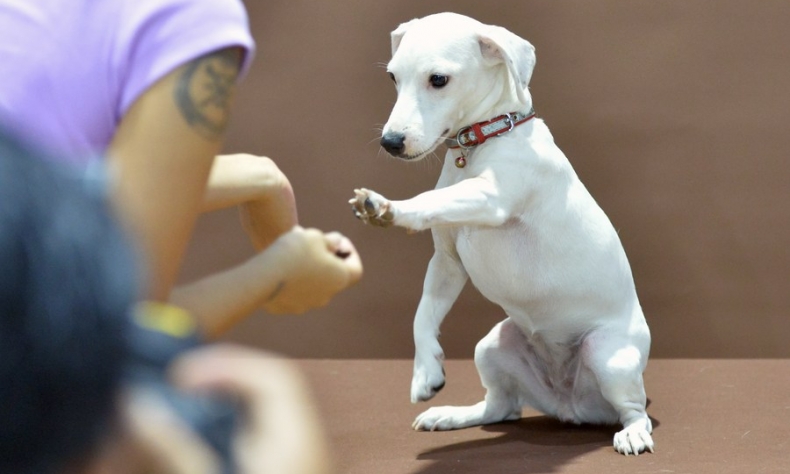
From goldfish pampering to pet-friendly high-speed rail, China’s pet economy boom is reshaping lifestyles and sparking a multi-billion-dollar emotional economy where pets are family, not just animals.
For Wu Ming, a busy Beijing resident, unwinding after a long day involves watching his goldfish glide through a meticulously maintained home aquarium.
When it comes to caring for sick fish, pregnant female fish, or newly hatched fry, Wu is not only highly experienced but also well-equipped. He uses a heater to stabilize water temperatures during weather changes, transfers expectant fish to a breeding tank, and maintains a clean tank with the help of the Golden Ancistrus Plecostomus – an algae-eating catfish.
To ensure optimal nutrition, Wu supplements their diet with freshly preserved brine shrimp, and has even installed landscape lights to enhance the aquarium’s visual appeal. The illuminated aquatic plants and gliding fish add a vibrant touch to the entire home.
“With a demanding job and children to care for, I couldn’t manage a cat or dog. Keeping fish is a soothing alternative,” Wu explained. “Everything I need is available online, and I spend about RMB 1,000 annually – it’s worth every penny.”
Wu is part of a growing cohort of pet owners, driving demand across the entire pet industry chain, from food and medical care, to equipment and services.
According to the 2026 China Pet Industry White Paper (Consumption Report), China’s pet consumption market saw a steady growth in 2025, with the consumer market size for companion animals (dogs and cats) in urban areas reaching RMB 312.6 billion, a 4.1 percent increase from 2024.
Younger demographics are leading this trend. Millennials constitute the largest group of pet owners, accounting for 42.7 percent according to the report.
Loyal furry companions
For Huang Xian, a resident of Xi’an, the most constant companions through a decade of life’s upheavals – including unemployment, a painful breakup, and eventually rebuilding her life – have been her cat and dog. They have stood by her through graduation, relocations, job changes, and the entire arc of a long romantic relationship. Huang’s devotion extends beyond her own pets; she often carries cat and dog food to feed strays. At home, she is a dedicated care-giver, ensuring her pets receive regular veterinary check-ups and providing meticulous attention. For Huang, these loyal animal companions are family members who stand by her come what may.
Huang’s experience reflects a broader trend where young people increasingly view their pets as integral family members and essential emotional companions. In modern society, as pressures from work, life, and social expectations intensify, pets have transitioned from mere animals to vital sources of emotional support, alleviating stress and providing non-judgmental, unconditional support.
This shift is further influenced by evolving attitudes toward childbirth. Many young couples are redirecting resources that might have been dedicated to raising children toward their pets instead. Consequently, the standard of care for pets almost parallels that of humans, encompassing comprehensive spending on food, clothing, healthcare, and insurance.
This deepening bond is quantified in the Consumption Report, which indicates that in 2025, the average annual spending per pet in China reached record highs of RMB 3,006 per dog and RMB 2,085 per cat.
Pet-friendly society
The growing scale of pet ownership has attracted increasing investment. As significant capital investment flows in, numerous brands and innovative services emerge, forming a comprehensive industrial chain expanded beyond basic food, supplies, and healthcare into broader life services, establishing a service ecosystem that covers the entire lifecycle of pets. A notable feature of this expansion is the widespread adoption and implementation of the pet-friendly concept.
In major first-tier cities like Beijing, Shanghai, and Shenzhen, pet-friendly green spaces, shopping malls, parks, and cafes have sprung up like mushrooms. In many pet-friendly cafes in Beijing, independent pet activity areas are now common, equipped with automatic feeders, water stations, and lint rollers. As the number of customers visiting the cafes grows, some establishments now even require reservations for “pet seats” during weekend peak hours, demonstrating how catering to pets has become a proven business booster.
The emergence of these “pet-friendly spaces” not only reflects the expansion of the industrial scale but also indicates a maturation of societal attitudes towards pets and their place in people’s daily life.
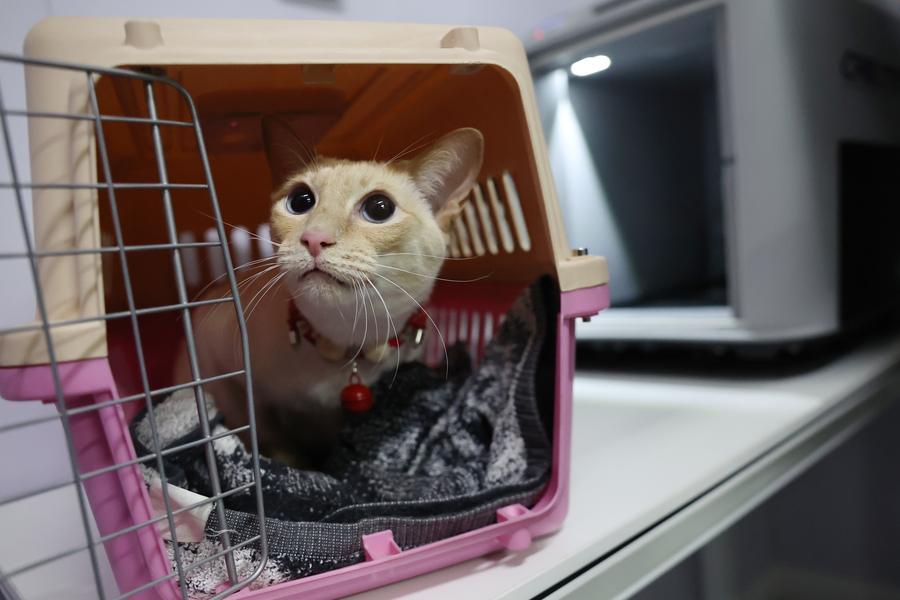
Concurrently, the ecosystem for pet travel is also becoming increasingly sophisticated. On April 8, 2025, China’s railway authorities launched a pilot high-speed rail pet transport service on select Beijing-Shanghai routes. The service features isolated transportation, separation of pets from owners, and dedicated caretakers. Simultaneously, the “pet check-in” function was introduced on the official 12306 app, requiring passengers to make online pet reservations at least two days in advance.
Furthermore, Guangzhou Baiyun Airport also officially started the operation of the country’s first dedicated pet terminal last May. This facility integrates the entire spectrum of air travel services for pets, including quarantine, ticketing assistance, check-in/check-out procedures, a dedicated channel for owners travelling with pets, and even pet boarding hotels.
Pet industry challenges
Despite its remarkable vitality, China’s pet industry is experiencing growing pains as it expands.
A central challenge is overcommercialization, where aggressive marketing tactics sometimes create demand for non-essential products, potentially distorting the simple essence of pet-keeping into a cycle of excessive consumption.
This commercial push occurs alongside persistent regulatory gaps. The industry spans multiple sectors, from feed and pharmaceuticals to consumer services, leading to fragmented oversight and the absence of a unified regulatory framework. This is particularly acute in sectors like veterinary care and grooming, where inadequate standards can result in disputes over medical malpractice, grooming-related injuries, and pricing transparency.
Furthermore, social frictions are increasing in shared urban spaces, like green belts, parks, and elevators. Disputes frequently arise over issues like unleashed pets, failure to clean up waste, and noise disturbances from barking dogs.
The remarkable growth of this sector is rooted precisely in its profound emotional foundation. It transcends merely “keeping an animal” and has become a concentrated reflection of a modern lifestyle and emotional consumption.
While enjoying the companionship and joy pets bring, more societal collective effort is needed towards a healthier, more sustainable, and more responsible future for all living beings.