Spend, Lend, Grow: China’s Triple Agency Plan to Rev up Consumption
 Facebook
 Twitter
 Linkedin
 Google +

Stimulating consumption and expanding domestic demand are key strategies for the Chinese Government to drive economic growth.
China’s Ministry of Commerce, the People’s Bank of China (the central bank) and the National Financial Regulatory Administration have jointly issued a new notice to strengthen coordination between commerce and finance, aiming to more effectively boost consumer spending. The notice outlines 11 policy measures designed to deepen collaboration between commercial and financial systems, enhance financial support in key consumer sectors, and expand cooperation among government bodies, financial institutions and businesses. Crucial initiatives include: encouraging local governments to use policy tools such as financing guarantees and loan interest subsidies to steer credit toward essential consumption areas, accelerating the development of personal consumption loans, and fostering new consumption models, including digital consumption.
Stimulating consumption and expanding domestic demand are key strategies for the Chinese Government to drive economic growth. In 2024, consumption accounted for 44.5 percent of China’s GDP growth, making it a primary engine of economic expansion.
In October, the Fourth Plenary Session of the 20th Central Committee of the Communist Party of China pledged to foster new growth models—led by domestic demand, driven by consumption and sustained by self-reinforcing momentum. This commitment was reaffirmed at the Central Economic Work Conference on December 10-11, which emphasized the continued focus on strengthening the domestic market.
The recent policy notice aims to guide local authorities and financial institutions in enhancing coordination and implementing targeted measures. By closely aligning improvements in people’s wellbeing with consumption promotion, the initiative seeks to build stronger synergies in boosting domestic demand.
A defining feature of the new notice is its focus on breaking down barriers between commercial and financial policies. By establishing inter-departmental coordination mechanisms, it directly addresses the disconnect between consumer demand and available financial support. This enables more precise assistance for key sectors such as automobiles, home appliances, food and beverage, as well as emerging forms of consumption like e-commerce.
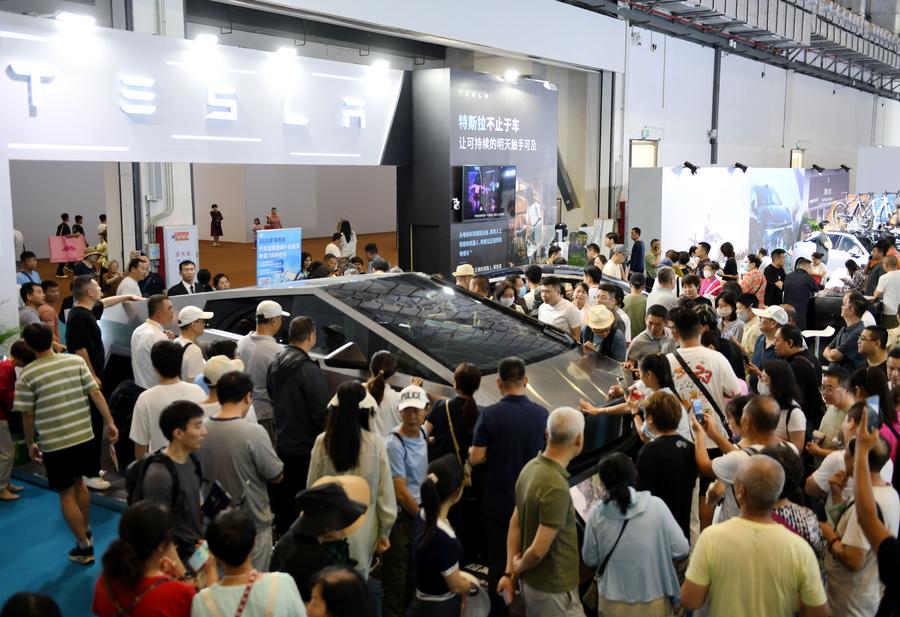
Through targeted financial support, including lowering consumption thresholds, optimizing credit services, reducing interest rates and innovating payment methods, the policy aims to alleviate financial burdens on consumers and stabilize market expectations. This sends a clear, confidence-boosting signal during a pivotal phase of economic recovery.
More broadly, this intensified commerce-finance collaboration suggests a strategic shift: China is beginning to steer financial resources appropriately from the investment side toward the consumption side. Fostering a more self-sustaining, consumption-driven growth model is likely to become a major focus of financial policy in the coming period.
Boosting consumption through financial methods will also mobilize existing funds, and its effect has already been reflected in the trade-in policy of old consumer goods. In the first 11 months of this year, this policy boosted sales of related products by more than 2.5 trillion yuan ($353 billion).
The policy measures to encourage consumption mainly focus on the domestic economic circulation, but will also directly influence the international economy. The notice proposes to enhance the connection between financial institutions and key enterprises that integrate domestic and foreign trade, provide domestic and overseas transaction matching services and improve cross-border supply chain financing models, so as to support more enterprises to integrate domestic and foreign trade and support more high-quality foreign trade products to enter the domestic market.
The notice also proposes promoting inbound consumption and continuously enhancing payment convenience for inbound travelers. This will attract more overseas consumers to spend in China, promote inbound tourism and related service industries, thereby strengthening the connection between China and the global consumer market. In addition, through expanding domestic demand and boosting consumption, China can consolidate its position as a globally important consumer market, which will provide a broader space for other countries to export their products and services, and support the recovery of global trade.