The Future Is Called Hainan
 Facebook
 Twitter
 Linkedin
 Google +
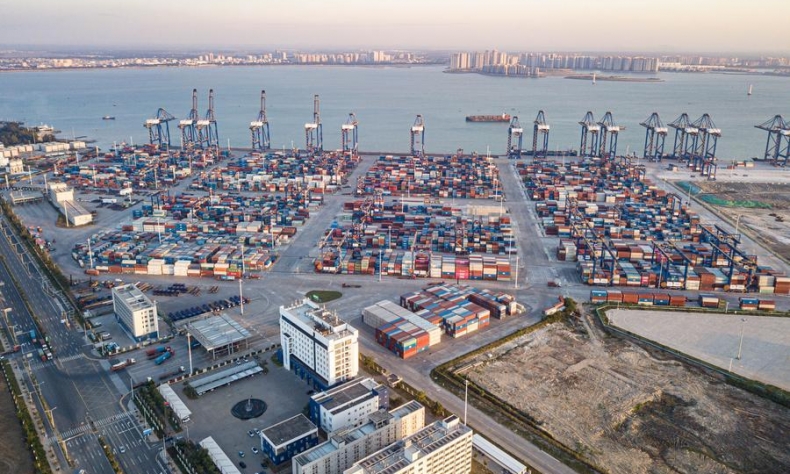
While some countries cling to outdated models of protectionism, China is investing in the future through opening-up and development. Hainan exemplifies this approach with a bold experiment in open trade and cross-cultural exchange.
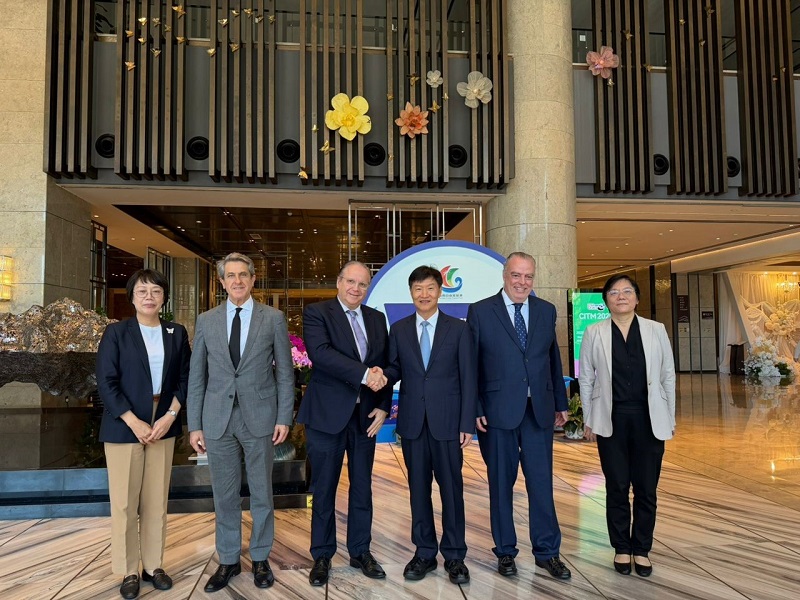
In today’s complex international trade landscape, Spain has identified a strategic gateway to the Chinese market – the vibrant island of Hainan. Last December, I had the privilege of leading a delegation to Hainan, where we engaged in fruitful discussions with the provincial government and witnessed the formal establishment of the Spain-Hainan Cooperation Office. This initiative makes Spain the first European country to set up such a dedicated platform in the Hainan Free Trade Port.
The office, run by Spain’s Friends of China Association, will serve as a bridge for Spanish and European enterprises looking to avail Hainan’s preferential policies, including zero-tariff imports and reduced corporate taxes, to tap the huge potential of the Chinese market. For Spanish businesses, this represents not just a commercial opportunity, but also a chance to participate in one of China’s most ambitious economic initiatives.
Why Hainan and why now?
Hainan’s comprehensive island-wide special customs operations, launched in December 2025, marks a new chapter in China’s high-standard opening-up. The island is being transformed into a special customs territory with facilitated trade policies, attracting global attention.
During my meeting with Hainan Governor Liu Xiaoming, he emphasized that Hainan aims to deepen cooperation with Spain in areas such as tourism, high-end consumption, culture, sports, and the health industry. As a major player in global tourism, Spain has much to offer in terms of expertise and investment. Many Spanish hotel groups and tourism operators have already expressed strong interest in participating in Hainan’s growth.
The policy benefits are substantial. Companies established in Hainan may enjoy a corporate income tax rate of 15 percent – significantly lower than the mainland’s general rate – and imported goods that qualify are exempt from tariffs. These advantages are already attracting Spanish consumer brands, food producers, and service providers.
A platform for Europe and Latin America
Spain’s role, however, extends beyond its national borders. As I often emphasize in my lectures at the University of International Business and Economics in Beijing, Spain is both a European and a Spanish-speaking nation. This dual identity allows us to serve as a bridge between China and the entire Ibero-American world.
The Hainan office will not only assist Spanish companies but also facilitate market entry for enterprises from Latin America and other EU countries. This aligns with China’s broader strategy to promote inclusive globalization and South-South cooperation.
The Spain-Hainan Cooperation Office is already operational. Shortly after its establishment, 10 Spanish companies from sectors ranging from food and consumer goods to tourism and technology expressed their intention to use its services.
This enthusiasm reflects the growing recognition of Hainan’s potential. As many media reports noted, Hainan is poised to become a new engine for trade and investment in China and a benchmark for high-quality international tourism.
While some countries cling to outdated models of protectionism, China is investing in the future through opening-up and development. Hainan exemplifies this approach with a bold experiment in open trade and cross-cultural exchange.
I encourage Spanish and European entrepreneurs to look closely at Hainan; the future beckons.
Antonio Miguel Carmona is president of Spain’s Friends of China Association.