Urban Renewal: Smarter, Greener, Bolder
 Facebook
 Twitter
 Linkedin
 Google +
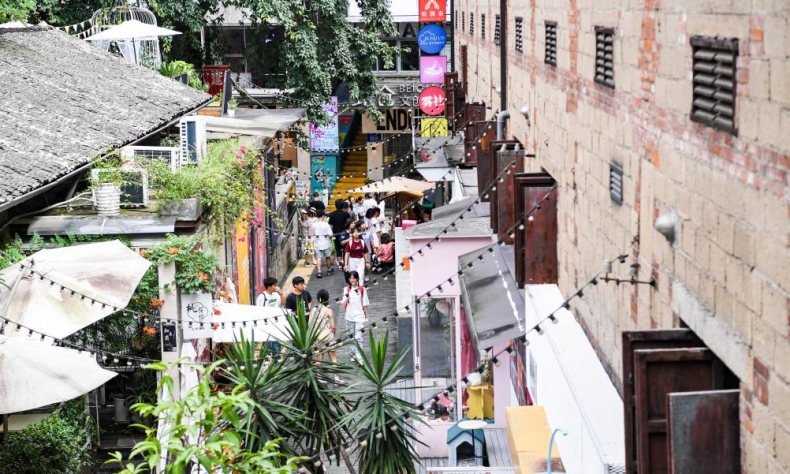
China’s urban renewal practices reflect more than just new approaches to development; they signal a fundamental shift in how modern cities are governed.
This year sees the commencement of China’s 15th Five-Year Plan (2026-30) period, a pivotal phase in the nation’s medium- to long-term development. The recommendations for formulating the 15th Five-Year Plan, adopted at the Fourth Plenary Session of the 20th Communist Party of China Central Committee in October 2025, outline key development priorities for the country during this period—including continuing to tap the full potential of cities, making a strong push to advance urban renewal and building people-centered modern cities that are innovative, livable, beautiful, resilient, culturally rich and smart.
As China’s urbanization enters a new phase, urban renewal has become a major approach for promoting the high-quality development of urban regions.
China’s urbanization is transitioning from rapid expansion to sustainable, people-centered growth, prioritizing improved living conditions and enhanced public services. The core of urban renewal lies in constant improvement and the adjustment of urban layout and functions.
Urban renewal initiatives have been launched across cities throughout China, from the renovation of old residential communities, historic sites and former industrial areas to the ecological restoration of blue-green spaces. These efforts have delivered tangible improvements to the urban living environment, marked by the widespread installation of elevators in old residential communities, an expansion of recreational facilities and the emergence of new consumption scenarios.
Wide expansion
In May 2025, the Chinese Government issued a guideline on constantly advancing urban renewal, highlighting its importance in promoting high-quality urban development and meeting people’s growing aspirations for a better life. The guideline outlines 53 key tasks covering eight categories, such as the renovation of old residential communities, public infrastructure upgrading and preservation of historical and cultural heritage.
Later in August last year, the authorities further issued a guideline on accelerating the transformation of urban development patterns and promoting high-quality urban development, including building quality homes that are safe, comfortable, eco-friendly and smart and well-functioning communities. The document prioritizes the in-situ reconstruction and renovation of old housing, chartering new direction for urban renewal. It also emphasizes the development of modern, people-centered cities by improving urban layout and environment, boosting green growth, preserving historic sites and enhancing governance efficiency.
Local governments should formulate urban renewal plans adapted to their unique circumstances to build livable cities with favorable business environment and friendly for tourists, the guideline stated.
Driven by the policies, urban renewal initiatives are scaling up, moving beyond pilot zones toward nationwide implementation, with distinct features and highlights in different regions. In Beijing, urban renewal has transformed wholesale markets into national-level fintech (abbreviation for financial technology) demonstration zones, turned unoccupied office buildings into AI bases, and upgraded Shougang Park, a former steel mill, into a mixed-use district integrating retail, sports and leisure facilities.
The municipal government of Beijing has also introduced policies for streamlining approval procedures and provided financial support for residents whose properties are mortgaged or face financial pressure in renovating their houses.
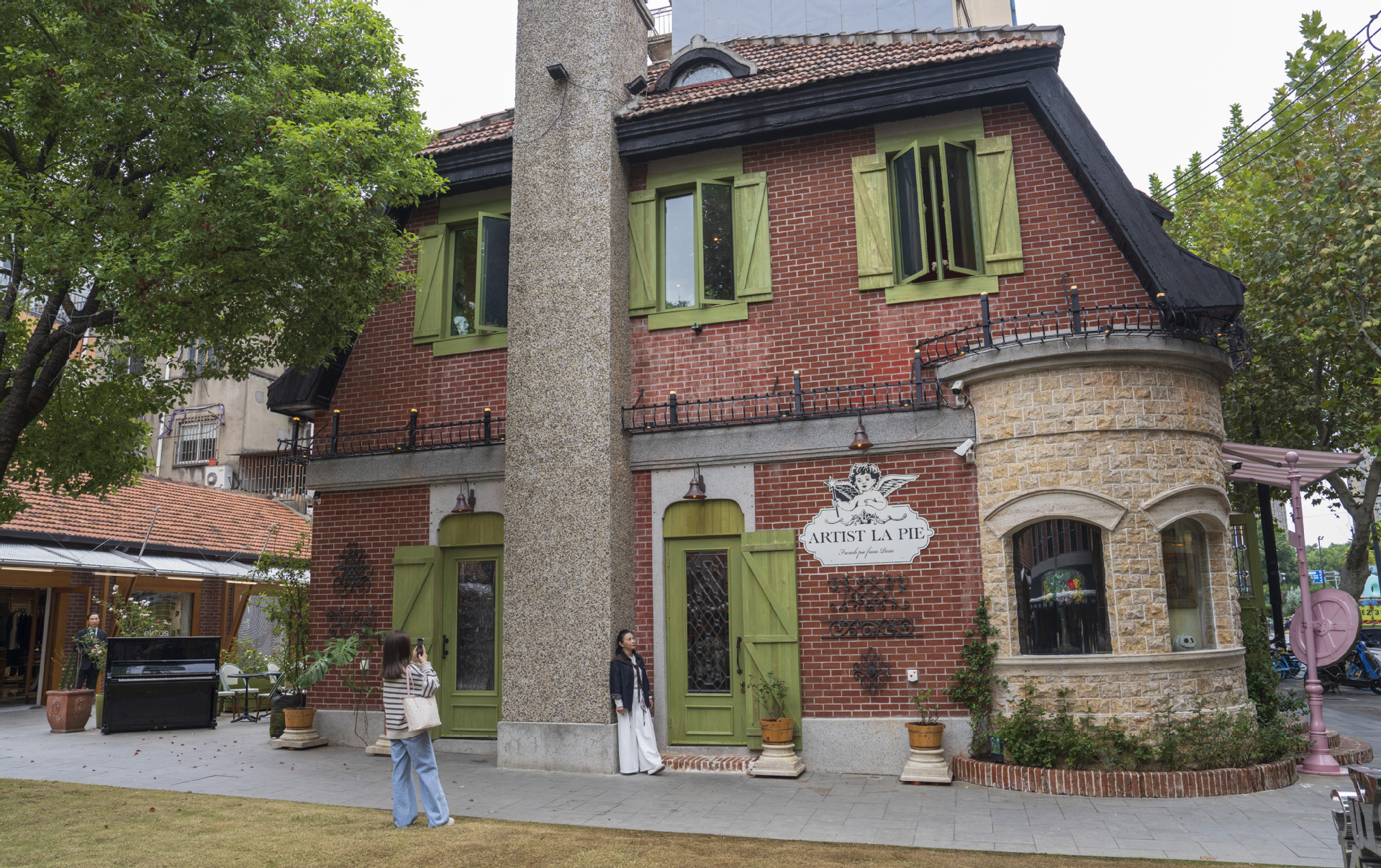
With its many narrow, labyrinthine alleys, Shanghai has prioritized the preservation of historic sites and breathed new life into its heritage. The restored sites have incorporated new commercial and cultural tourism offerings, blending traditional architecture with contemporary lifestyle elements.
In other cities, such as Shenzhen in Guangdong Province, old industrial sites have been renovated and public infrastructure upgraded, driving industrial upgrading and urban quality enhancement. In Chengdu in Sichuan Province, urban renewal centers on improving the ecological environment. The efforts include renovating old residential communities, repurposing underutilized spaces, building more pocket parks, which are small and micro green spaces, as well as enhancing public infrastructure to make the city more livable.
An intelligent urban governance system has also been applied in cities like Hangzhou in Zhejiang Province. The city has built a smart system monitoring and managing urban operation, collecting data on municipal infrastructure, traffic operations and underground pipelines to help prevent hazards. The system serving like an urban brain enables detailed planning of urban renewal, enhances governance efficiency and makes daily life more convenient.
Strong support
China’s urban renewal practices reflect more than just new approaches to development; they signal a fundamental shift in how modern cities are governed. Unlike the sprawling expansion of previous decades, today’s urban renewal is government-led, with private sector participation, financial backing from institutions and growing support from technological innovation.
Many local authorities have established dedicated urban renewal authorities, set up high-level interdepartmental coordination mechanisms and introduced innovative policies to address constraints including inconsistent planning standards, ambiguous land-use durations and designated purposes, protracted approval procedures and insufficient funding. They are also introducing innovative investment and financing systems, encouraging banks to extend specialized loans for urban renewal and exploring asset securitization instruments such as Real Estate Investment Trusts and Commercial Mortgage-Backed Securities to channel funds into related projects. Powered by innovative financial products and professional operations, urban renewal initiatives have enhanced the value of city sites.
Residents have actively participated in the renovation of dilapidated buildings and old residential communities, from initial solicitation of proposals and plan consultation to supervision of project implementation. During historic site renewals, residents are encouraged to engage in not only the restoration and protection of historical buildings, but also space planning and business operations. Through this process, they are making meaningful contributions while sharing in the benefits.
Digital and intelligent technologies are strongly empowering urban renewal. AI has helped collect residents’ suggestions and opinions for urban renewal and intelligently upgraded infrastructure is making urban operations safer and more efficient.
Involving the participation of diverse sectors, urban renewal in China is embarking on a new journey to create modern cities defined by innovation, livability, beauty, resilience and civility.
The author is a research fellow with the Beijing Economic and Social Development Research Institute/Beijing Development and Reform Policy Research Center.