Wandering Through Wuhan: Where Harmony Meets Heart
 Facebook
 Twitter
 Linkedin
 Google +
There is a saying in Chinese, hé wéi guì (和为贵), which means ‘harmony is to be valued above all.’ Guided by this principle, I can truly say that Wuhan embodies a perfectly harmonious spirit.
“When Zephyr also has, with his sweet breath; Quickened again, in every holt and heath; The tender shoots and buds, and the young sun; Into the Ram one half his course has run; And many little birds make melody; That sleep through all the night with open eye; (So Nature pricks them on to ramp and rage) – Then do folk long to go on pilgrimage.”
These are the famous opening lines of the General Prologue of The Canterbury Tales, written by the English poet Geoffrey Chaucer (1340-1400) at the end of the 14th century. They describe the advent of spring and how the season of renewal motivates people to embark on pilgrimages.
Although the lines are tied to different time and place, I think that the feeling of release from the restrictions of winter that they represent is universal. I know that if they were read out in translation on any of the high-speed trains that whiz all over China during the festival holiday, they would echo with a clear majority of the passionate travelers on board. And every Spring Festival, I join them, cheering quietly in my heart when the high-speed train traveling southward crosses the last frozen river and the landscape grows increasingly gentle with fields of returning grass.
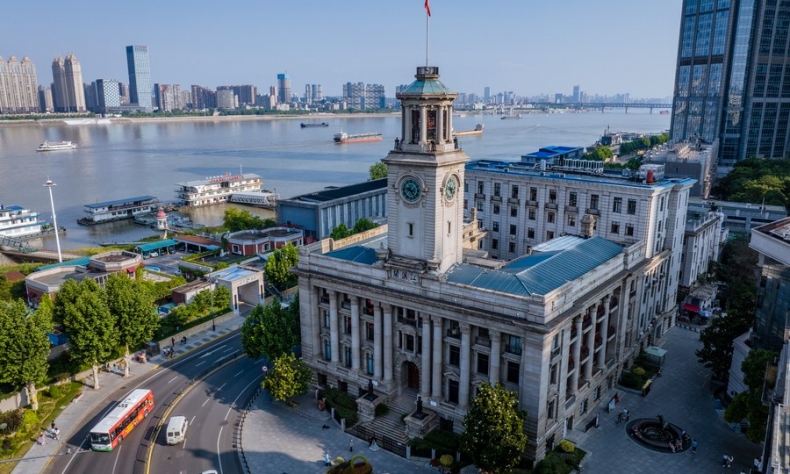
My first destination this year was Wuhan, a city in central China’s Hubei Province. Wuhan is one of the best-located cities in China, sitting at the meeting point of the Yangtze and Hanjiang rivers. This makes it an important cultural and historical crossroads in the country. As I found when I visited the impressive Hubei Provincial Museum, the city has over 3,500 years of history. My strong advice: don’t fly to Wuhan, because arriving by high-speed train will give you the opportunity to cross all the many rivers that surround the city, making you feel as if you’re arriving in the old style of boat travel.
So let’s take a stroll through the streets of Wuhan. “Stroll” is exactly the right word because Wuhan has the sort of laid-back, easygoing atmosphere that makes walking a genuine pleasure. Many of its streets are tree-lined avenues, artistically decorated with the beautiful plane trees that we can find in Shanghai. These trees bring the streets to life, turning a road into a landscape. When the spring sunshine surprises the streets with its new light, the shadows of the plane tree branches dance across the road’s surface.
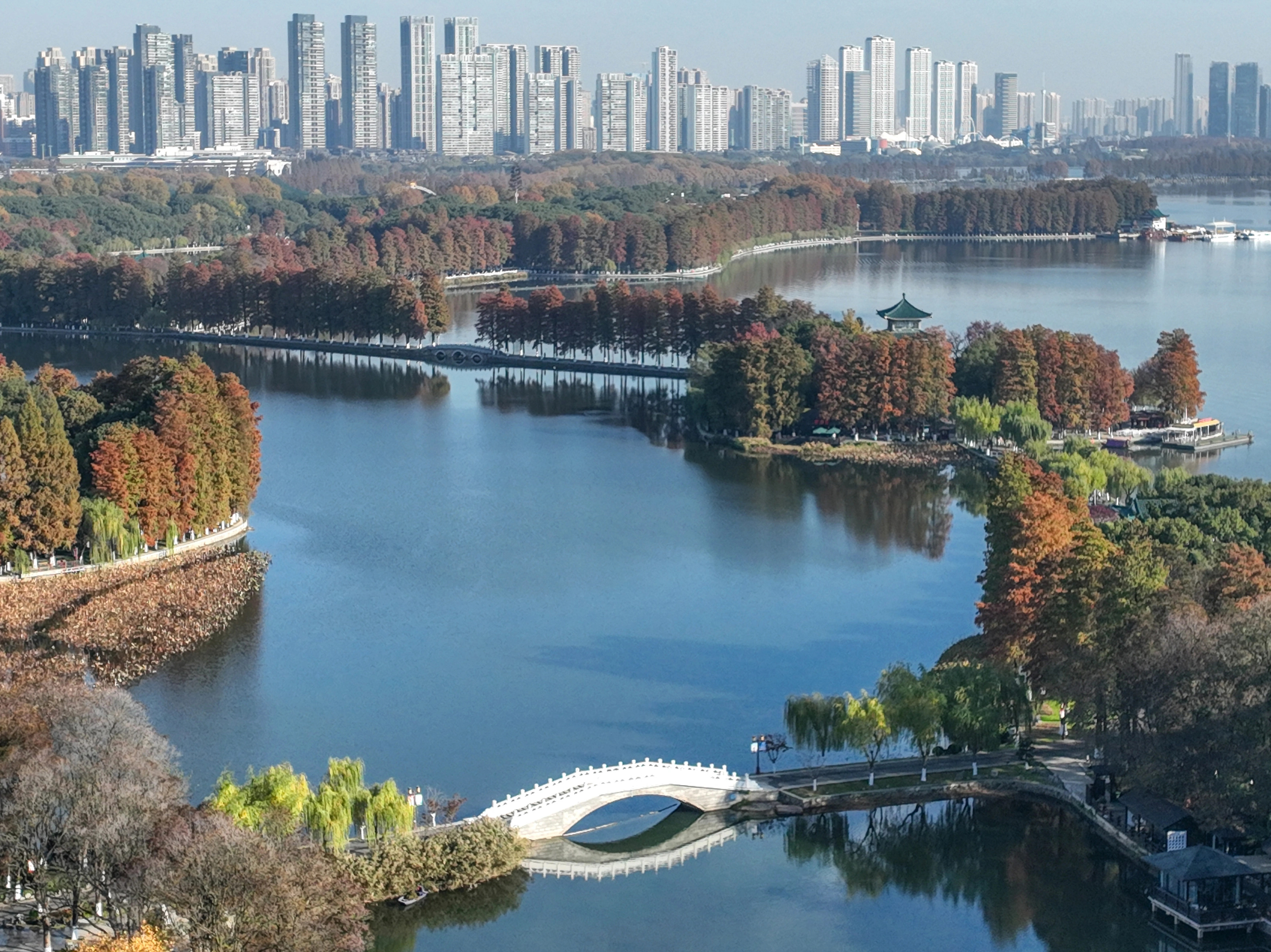
But if Wuhan’s avenues can be as beautiful as Shanghai’s, they have one enormous advantage: far fewer crowds. The contrast is striking. And there is another reason why a stroll in Wuhan is more pleasant than one in Shanghai: the water. There are more than a hundred lakes in Wuhan. This number of lakes once posed challenges, but the modern urban design of the city has achieved a remarkable harmony between building space and natural space that, for me, makes Wuhan the best ecological city I have yet visited. It is almost certain that sooner or later your stroll through the Wuhan streets will open out into a lakeside walk, where birdsongs and elegant reflections from the water surface will lift your mood. In the heart of the city you can really take advantage of this experience.
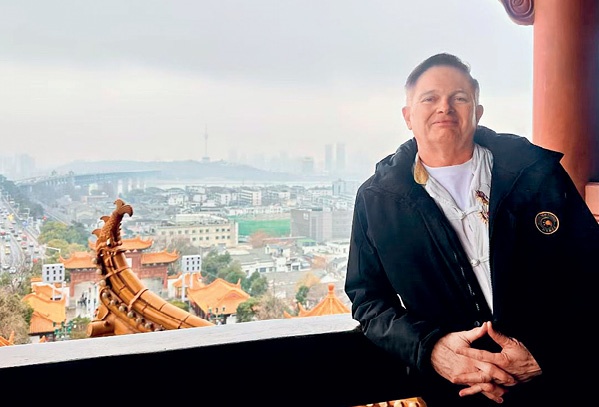
You may know that at the core of Chinese modernization is the development of infrastructure. What you may not know is that in 1957 Wuhan was the launch pad for this strategy that has transformed a nation. Up until that point, moving people or goods across the Yangtze River meant waiting for a ferry. In a landmark project that signaled the country’s commitment to modernization, the government built the first bridge across the Yangtze, a monumental structure carrying trains, road traffic and pedestrians. It takes about 20 minutes to walk from one side to the other, and it is nothing short of spectacular. From the bridge, you gain both a profound appreciation for the natural power of the river below and marvel at the engineering rising above it. What’s more, if you start your stroll from the side of the Wuchang River, you will be greeted by the sight of the Yellow Crane Tower gracefully perched on the hillside behind you, a poetic reminder of China’s continuous development across the centuries.
There is another part of Wuhan where you can truly feel the city developing in harmony with nature – Donghu, or East Lake. While Hangzhou is rightly famous for the poetic beauty of West Lake, East Lake is five times larger, spanning 88 square kilometers and actually the largest urban lake in all of China.
The lake is divided into six scenic areas of which I only had time to explore one on this visit. I chose to stroll around Moshan (Millstone Hill), named for the shape of the hill at its center. My destination was the renowned Botanical Gardens and I was not disappointed. A botanical garden invites you to lose yourself in the incredible diversity and rich colors of nature. Walking along the very best among them, you feel like you are walking inside a living painting. I’ve long admired the grand pavilions at the Kew Gardens in London, but the “hot house” in this botanical garden is every bit as stunning. The orchid displays, in particular, are so vibrant in color that you feel as though you’re walking through an artist’s palette, immersed in pure, living pigments.
No visit to Wuhan would be complete without mentioning the food. Let’s begin our culinary exploration at the Dumpling House on Liangdao Street, not far from the Yellow Crane Tower. This is a venerable establishment, founded in 1935, as a wall display proudly informs you. You know it’s going to be good the moment you walk in. First, it’s packed; and secondly, the lively hum of conversations tells you these are locals, not tourists. The fragrance of freshly cooked dishes surrounds you from every direction, and suddenly you want to try everything.
You narrow your selection to a few favorites. Essentials to try include re gan mian (热干面), or “Hot Dry Noodles.” It’s a delicious bowl of noodles tossed in a rich sesame paste. It can be customized to your taste with preserved mustard stems (榨菜), pickled long beans, garlic, chili oil, cilantro, scallions, and Chinese black vinegar. To accompany the noodles, try mian wo (面窝), also known as fried rice buns. Legend has it that this unique local snack was invented by a street vendor during the Qing Dynasty (1644-1911), who came up with the idea of shaping rice into a nest, thick on the edges and hollow in the center. Delicious!
To wash it all down, try dan jiu (蛋酒), which is egg stirred into sweet-scented osmanthus wine. And if you still have room, there’s another Wuhan classic, often enjoyed at breakfast: san xian dou pi (三鲜豆皮). This dish features layers of tofu skin, sandwiching a savory filling of glutinous rice, diced meat, tofu, fresh eggs, mushrooms and chopped beef. The whole thing is then fried until crispy and golden, utterly irresistible. For the best version of this delicacy, head to Lao Tong Cheng, a restaurant established in 1931 that boasts the longest history and the most prestigious reputation for this iconic Wuhan dish.
There is a saying in Chinese, hé wéi guì (和为贵), which means “harmony is to be valued above all.” Guided by this principle, I can truly say that Wuhan embodies a perfectly harmonious spirit. Here, you will find every opportunity to balance the pleasure of tasting its distinctive cuisine and street snacks with the simple joy of strolling along tranquil streets beside the city’s rippling lakes. In so many ways, Wuhan seems to have found the recipe for human happiness.
Chris Nash is former chairman of the Society for Anglo-Chinese Understanding, and current international education manager of Beijing Dacheng Education Group.