What the U.S. ‘Capture’ of Maduro Really Means for the World
 Facebook
 Twitter
 Linkedin
 Google +
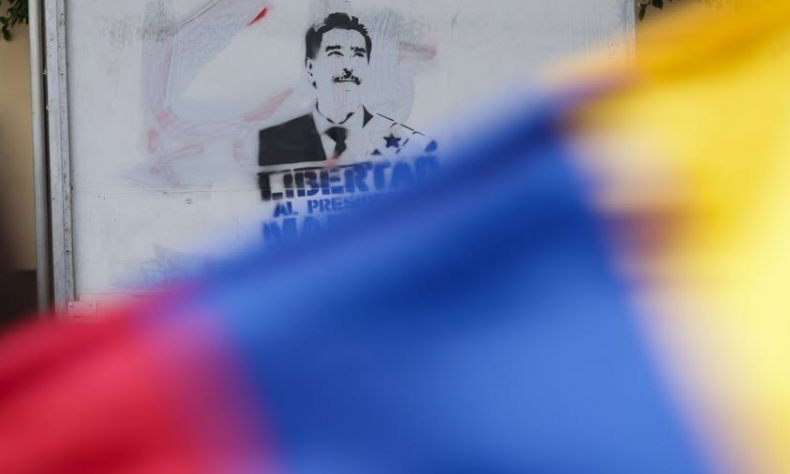
A world that accepts unilateral abduction as justice is one where sovereignty is fragile and force persuasive.
Much of the world is aware of the headline facts. U.S. forces entered Venezuela on January 3, ‘captured’ President Nicolás Maduro, and transported him to New York to face federal charges ranging from alleged narco-terrorism to weapons offenses.
The event shocked analysis, and led to strong reaction and international positioning. What remains unresolved, and far more consequential, is what this act signals about the future of international order. The seizure of a sitting head of state on foreign soil, without UN authorization or extradition proceedings, constitutes a profound break from long-standing global norms.
The deeper issue is not Maduro himself, but the message sent to the world: if power alone can override sovereignty, then the rules governing global stability have become optional.
The dangerous precedent and its global ripples
When the United States justifies an operation of this magnitude as a criminal enforcement action, it effectively redraws the limits of acceptable state behavior. International legal scholars have pushed back hard against Washington’s justification, noting the absence of UN Security Council authorization and any claim of imminent self-defense. Under international law, the use of force against another sovereign state is tightly constrained, permitted only in exceptional circumstances. None clearly applied here. By sidestepping those constraints, the United States has weakened the legal framework intended to prevent powerful states from acting purely on capability rather than international rules.
This matters because international law functions less as an idealistic aspiration and more as a practical restraint. It exists precisely to stop nations from doing what they can simply because they can. When a major power ignores that framework, the consequences extend far beyond a single case. Other governments take note, revise their own limits, and begin to question whether restraint is still expected or merely optional. The result is a gradual erosion of predictability, replaced by a reality in which unilateral action becomes easier to justify and harder to oppose.
Warnings from international institutions have been blunt. Human rights officials at the United Nations have cautioned that such actions make the world more dangerous by encouraging states to bypass multilateral mechanisms altogether. For authoritarian governments, the lesson may be that detaining rivals abroad can be rationalized. For emerging powers, it signals that rules bend in favor of strength. Even American allies are left unprepared about whether the UN Charter still dominates.
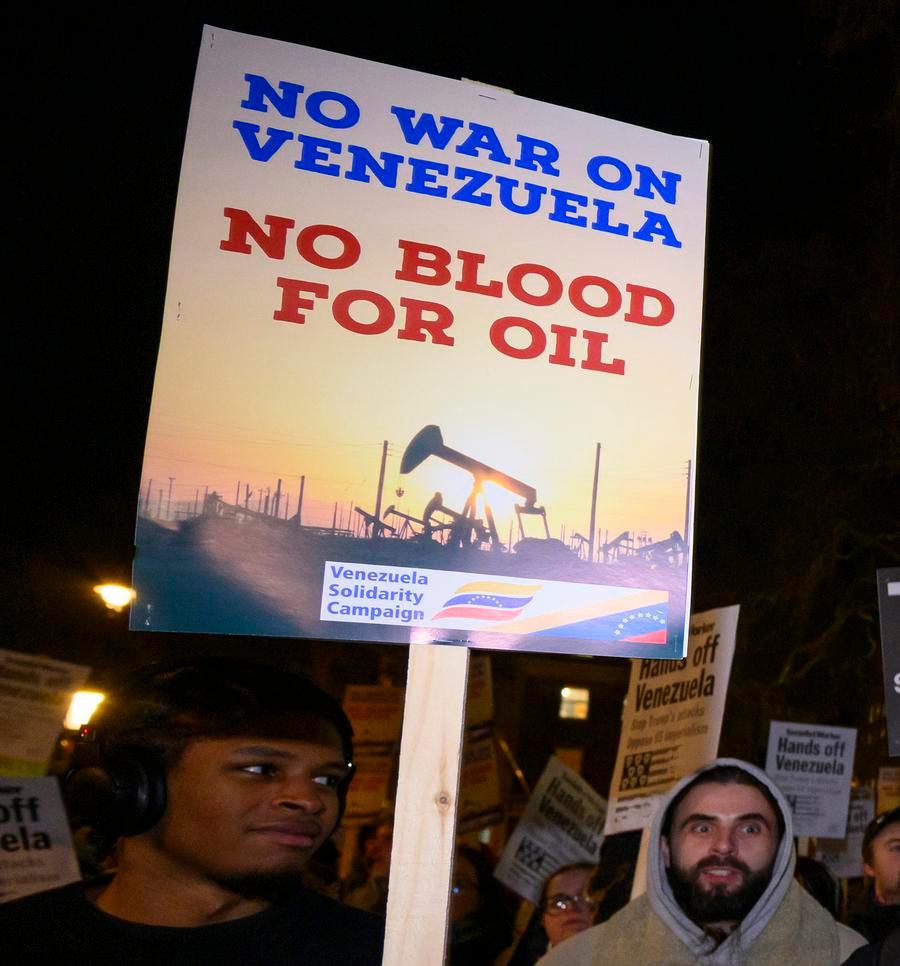
The real motive: oil, influence, and the Monroe Doctrine reimagined
Official U.S. rhetoric emphasizes justice, security, and the fight against narcotics trafficking. Yet the strategic outcomes suggest a far more familiar logic. Venezuela possesses the largest proven oil reserves on the planet, a resource that has long guided its political fate and foreign relationships. Control over how that oil is extracted, sold, and aligned geopolitically carries immense strategic value. Years of sanctions, mismanagement, and isolation collapsed production, creating an opening for external influence under the banner of economic recovery.
American energy firms, particularly Chevron, have operated in Venezuela for decades, supplying technical expertise and capital. In the wake of Maduro’s removal, they stand positioned to play a central role in rebuilding output and reorienting Venezuela’s energy flows. This is not simply an economic opportunity; it is a geopolitical signal. At a time when China and Russia have expanded their presence in Latin America, Washington’s move asserts that the Western Hemisphere remains a zone of the U.S.
In this sense, the episode resembles an updated redefinition of the Monroe Doctrine. While the language has shifted from colonial rivalry to security and law enforcement, the underlying message is consistent: external powers outside the Western Hemisphere are unwelcome, and the United States is prepared to take firm action to protect its interests. Stripped of moral framing, the operation demonstrates that calculated interests still drive foreign policy choices. Oil, influence, and competition between great powers remain closely connected, even in an era that claims to value rules over raw power.
The future of geopolitics: a more splintered world
Worldwide reactions have revealed how divided the global system has become. Governments across Latin America, Africa, and Asia condemned the action as a violation of sovereignty. Russia and China labeled it an act of aggression and a dangerous precedent. European responses were more cautious, weighing legal unease with political alignment. Regional powers such as Brazil, Mexico, and Chile voiced concern over the normalization of unilateral force. These responses stress a broader reality: the post-Cold War consensus on norms is eroding, giving way to a more fragmented, multipolar world.
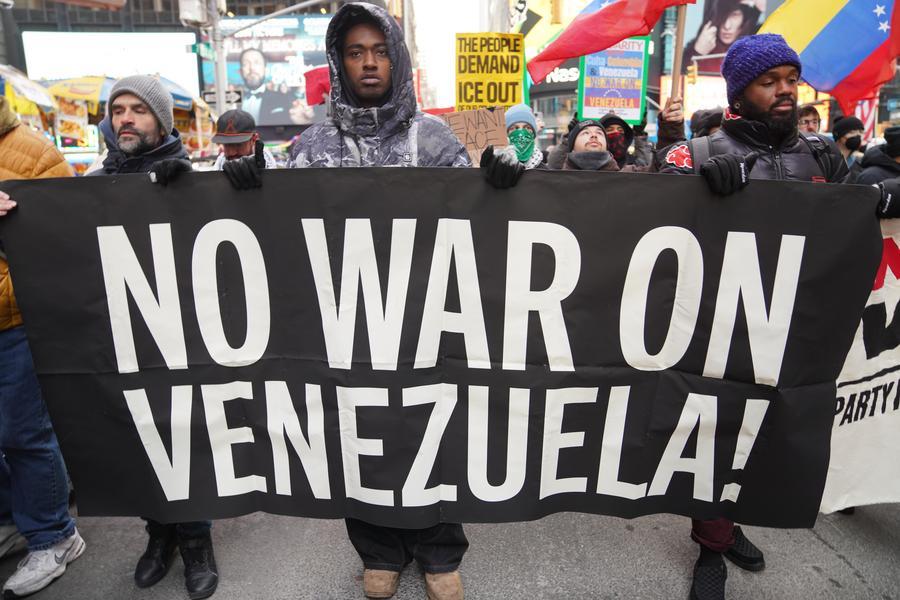
For smaller nations, the implications are severe. If powerful states can selectively enforce rules, sovereignty becomes conditional rather than guaranteed. Any country could find itself vulnerable if it possesses resources, geography, or policies that conflict with a stronger actor’s interests. What one government calls law enforcement, another experiences as intervention. As accountability weakens, trust in international institutions erodes, and with it the mechanisms meant to resolve disputes without force.
The consequences will unfold over the years. Venezuela’s internal future is unclear, regional calm has been shaken, and diplomatic alignments are shifting. Yet the most lasting effect may be the quiet normalization of measures previously considered unacceptable. When precedent replaces principle, the global order becomes less based on common rules and more on strategic leverage.
The world is watching and will remember
This moment is about more than Venezuela or Nicolás Maduro. It reflects a world in which rules are being rewritten through unilateral action rather than multilateral agreement. The capture of a foreign leader without international authorization signals a world in which power increasingly dictates outcomes and legality adapts after the fact. History has a long memory for such turning points. It remembers who defended norms when they were inconvenient and who stayed silent when they were broken.
Whether this episode leads to deeper instability or sparks a renewed pledge to worldwide law depends on what follows. But the choice is already clear. A world that accepts unilateral abduction as justice is one where sovereignty is fragile and force persuasive. That lesson will not be forgotten, by governments or by history, and its consequences will echo far beyond Venezuela.