Strait of Hormuz Crisis Sends Shockwaves Through Global Trade
 Facebook
 Twitter
 Linkedin
 Google +
Reopening shipping lanes, easing tensions, and restoring communication are in the interest of the Middle East, major energy-consuming countries, and the world as a whole.
Every day, roughly one-fifth of the world’s oil and liquefied natural gas passes through a narrow stretch of water between Iran and Oman. The Strait of Hormuz is one of the world’s most important energy corridors. Now it sits at the center of a conflict involving the United States, Israel, and Iran, and the effects are already being felt across energy markets, global shipping, and inflation expectations in ways that extend far beyond the Gulf. The immediate impact is visible in both prices and logistics.
The conflict has disrupted shipping through the Strait of Hormuz, complicating exports for Gulf producers and forcing some companies to reroute cargoes or adjust output and storage plans. Oil prices have remained highly volatile, with Brent crude, the benchmark for much of the world’s internationally traded oil, rising sharply in March as fears grew that transit disruptions could persist. Analysts say prices are likely to remain elevated as long as traffic through Hormuz stays constrained.
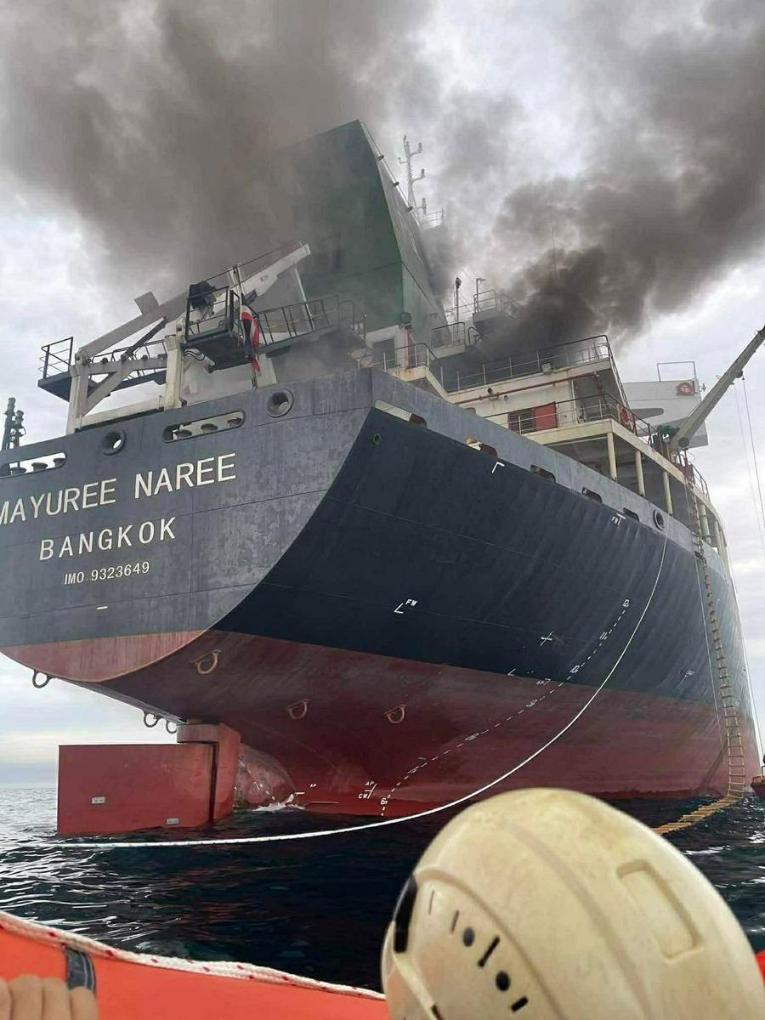
The effects extend beyond oil prices. Reports earlier this month said at least 150 ships were stranded near the strait after attacks, threats to navigation, and the suspension of some commercial shipments. Tanker owners, oil majors, and trading houses pulled back crude, fuel, and LNG shipments after the conflict escalated. The cost is not limited to cargo delays. It also lies in the uncertainty now surrounding delivery schedules, purchase decisions, and risk calculations across the global supply chain. Refiners, utilities, manufacturers, and commodity traders are all operating with less visibility, and that uncertainty adds further costs.
The insurance market has become a clear indicator of the level of concern within the shipping industry. Marine insurers have canceled war-risk cover for some sailings, while some premiums have surged from around 0.2 percent to 1 percent of vessel value in just 48 hours. Those costs extend beyond the shipping sector. They are passed on directly to freight charges, the cost of delivering fuel and raw materials, and broader inflation pressures in economies already dealing with weak growth and fragile demand. Every additional day of uncertainty around Hormuz adds to the cost of trade for businesses and households around the world.
China calls for dialogue and stability
Against this backdrop, China has presented a message centered on de-escalation, communication, and the protection of regional stability. At a March 12 regular press briefing, Foreign Ministry spokesperson Guo Jiakun called the strait “an important route for international goods and energy trade” and said that keeping it safe and stable “serves the common interests of the international community.” He urged all parties to stop military operations immediately, avoid further escalation, and prevent the conflict from causing greater damage to global economic growth. The significance of that wording is clear: it frames the crisis not as a distant regional dispute, but as a danger to the world economy.
That message has been reinforced at a higher level of diplomacy. During phone calls with foreign ministers from Kuwait, Bahrain, Pakistan, and Qatar on the situation in Iran, Foreign Minister Wang Yi said, “This is a war that should not have happened; it is a war that does no one any good,” while calling for peace, an end to hostilities, and de-escalation. Together, these remarks offer a clear framework for understanding Beijing’s position: the crisis should be contained, dialogue should resume, and regional instability should not be allowed to inflict greater economic damage.
China’s response has focused on linking diplomacy to practical economic outcomes. Chinese officials are not speaking only in general terms about peace. They are connecting de-escalation to safer trade routes, more stable energy markets, and reduced pressure on global growth. That gives Beijing’s position a clear economic dimension.
Competing approaches to the crisis
The contrast between different responses to the crisis has become increasingly clear. On the one hand, recent developments have been shaped by ultimatums, retaliatory threats, and the ongoing risk of military escalation. On March 21, U.S. President Donald Trump issued a 48-hour ultimatum demanding that the waterway be fully reopened or face retaliatory strikes on Iranian power infrastructure.
On the other side is the approach repeatedly articulated by Chinese diplomacy: reduce tensions, halt military action, and return to dialogue before a regional conflict causes broader damage to global growth. This contrast between the two approaches is clear. One path increases pressure and raises the risk of wider disruption. The other emphasizes negotiation and communication as the most viable way to restore peace and more normal commercial flows.
That distinction matters for the global economy. Prolonged military confrontation tends to heighten financial market uncertainty. When confidence is already being shaken by disrupted shipping, suspended cargoes, and soaring insurance costs, a credible path toward stability would help reduce uncertainty for businesses and governments. The Hormuz crisis has shown how quickly disruption in a single corridor can spill into oil prices, LNG contracts, freight markets, and consumer inflation. In this context, calls for restraint are closely tied to efforts to restore commercial certainty.
Stability, not confrontation, serves the global economy
The Hormuz crisis has underscored how much the world economy still depends on a small number of strategic trade routes. Disruptions in one corridor can ripple through energy markets, shipping costs, industrial production, and consumer prices within days. The longer instability persists, the greater the burden on businesses, importers, and households far beyond the Middle East.
China’s recent diplomatic messaging is central to that broader story. Through statements from the Ministry of Foreign Affairs, Beijing has consistently stressed that the priority should be to halt military operations, avoid further escalation, and return to dialogue and negotiation. At a moment when trade routes are under pressure and global markets are absorbing new shocks, that message addresses not only regional stability, but also wider concerns about the international economy. Reopening shipping lanes, easing tensions, and restoring communication are in the interest of the Middle East, major energy-consuming countries, and the world as a whole.