A Strong Opening: Resilience, Innovation, and Shared Opportunities
 Facebook
 Twitter
 Linkedin
 Google +
Chinese economy is steadily overcoming recent challenges and now leveraging its policy stability, industrial capacity, and innovation drive to usher in a new phase of high-quality development.
The Chinese economy sent a strong and reassuring signal in the first quarter of 2026: it remains on a stable, upward trajectory, demonstrating notable resilience and affirming the effectiveness of the country’s macroeconomic policies. Despite persistent global headwinds, China’s GDP grew 5 percent year-on-year in Q1, marking a robust start to the year.
Beyond the growth figure, a suite of indicators reveals an economy gaining strength and balance. The end of a 41-month decline in the producer price index, a steady rise in the consumer price index, and a manufacturing PMI firmly in expansionary territory, all point to improving domestic demand and industrial vitality.
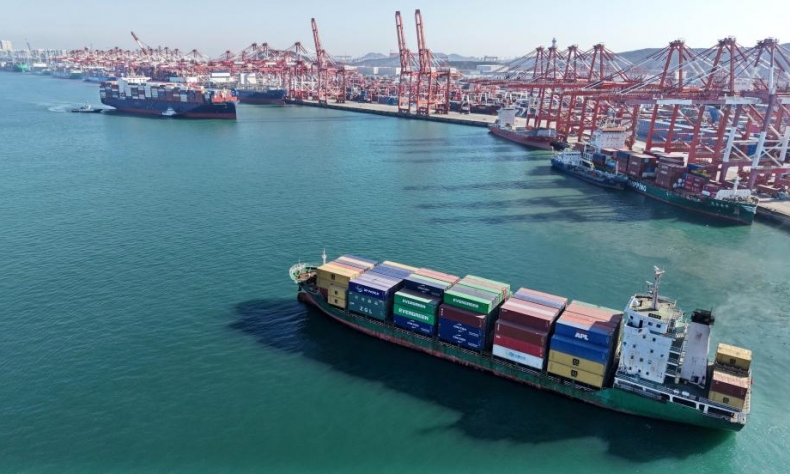
This recovery is not a return to the old patterns but a stride forward on a new path. The growth engine is increasingly powered by “new quality productive forces.” In Q1, the added value of high-tech manufacturing surged by 12.5 percent, significantly outpacing overall industrial growth. The new energy vehicle sector continues its global leadership, while policy-driven initiatives like the consumer goods trade-in program generated over RMB 430 billion in sales, showcasing successful synergies between government policy guidance and market dynamism. Furthermore, foreign trade defied gloomy global trends, growing 15 percent to hit a record high for the period. Imports soared nearly 20 percent – a testament to China’s commitment to balanced trade and sharing its market growth with the world.
These figures collectively debunk narratives of economic stagnation. They tell a story of an economy skillfully navigating complexities, bolstered by a complete industrial system, a strategic shift towards innovation and green development, and consistent, forward-looking policies.
China’s economic allure is undergoing a fundamental transformation. While its vast market remains a powerful draw, the new, compelling magnet is its burgeoning innovation ecosystem and leadership in future industries. This shift is vividly illustrated by China’s recent diplomatic engagements with key global partners, particularly from Europe.
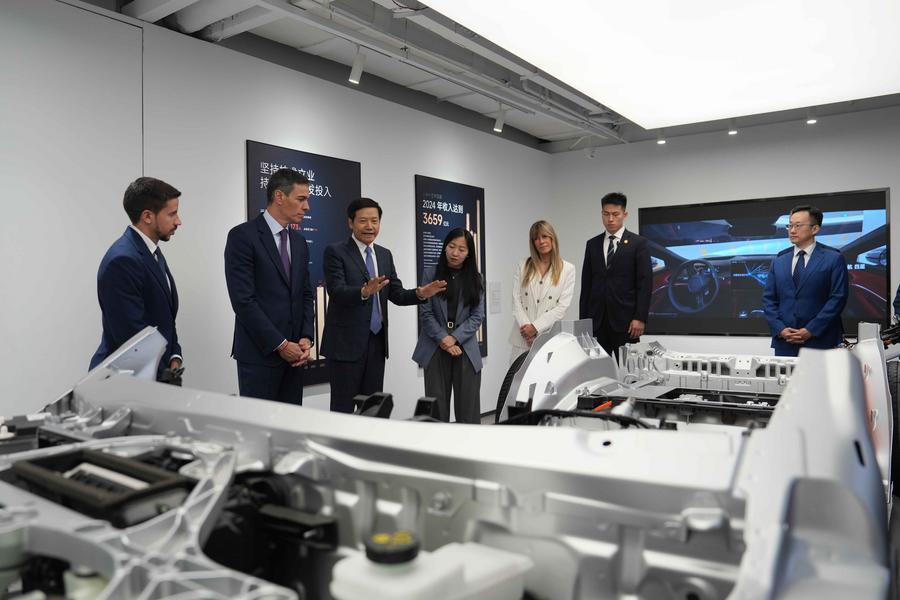
The visit of Spanish Prime Minister Pedro Sánchez to China in April 2026 serves as a prime example. His itinerary, which included an exploration of Chinese tech giant Xiaomi’s smart products, was far from ceremonial, but a recognition of China’s leading role in the global technology landscape. In his speech at Tsinghua University, Prime Minister Sánchez captured this sentiment perfectly, stating that a prosperous future for humanity cannot exist without participation of the great country, China. This acknowledgment underscores a broader trend: Western leaders are increasingly engaging with China not out of geopolitical necessity alone, but with a keen interest in its technological and green energy advancements.
In 2025, China regained its position as Germany’s largest trading partner, with a significant portion of imports comprising high-tech equipment and electronics. This interdependence highlights China’s role as a critical node in advanced industrial supply chains. In addition, collaborations are deepening: Chinese lithium battery manufacturer CATL’s joint venture with Stellantis on a Spanish battery plant is helping advance Europe’s energy transition, while British energy security benefits from a £200 million investment by Chinese storage giant HiTHIUM, which will also create 300 high-quality jobs for locals.
This wave of interaction moves beyond decoupling rhetoric. It is driven by what observers term “Sinofuturism” – the recognition that China’s technological path is inextricably linked to the global future. Leaders are flocking to Beijing because, as noted by BBC correspondent Laura Bicker, “When it comes to future technology… China really is key.” The pull lies in a powerful combination: massive manufacturing capability now supercharged by digital innovation, robust and complete industrial chains, and a consistent policy environment that welcomes cooperation. Rather than involving itself in a zero-sum game, China is promoting itself as a reliable partner in an uncertain world, offering its innovation-driven growth for shared gain.
The vibrancy of China’s domestic market and its magnetic pull on global brands were on full display in April at the 6th China International Consumer Products Expo (CICPE) in Hainan. With over 3,400 brands from 67 countries and regions, international exhibits accounted for 65 percent of the total, a 20-percentage-point increase from 2025. A staggering 340,000+ visitors and 65,000+ professional buyers attended, with single-day attendance hitting 60,000 – all historic highs.
The expo’s highlights went beyond scale, offering a glimpse of a China-led future of consumption. The dominant theme was the seamless integration of AI into daily life, affirming China’s role as a global testing ground for smart consumption. The buzz centered on products like Rokid AI glasses by a Hangzhou-based hi-tech company, which provide real-time translation and navigation, and the world’s first modular “Land Aircraft Carrier” flying car, presented by a Guangdong-based company – a symbol of the burgeoning low-altitude economy. These weren’t just prototypes; they were commercial-ready products, demonstrating how China’s “AI+” initiative is rapidly moving from policy to market.
The “international flavor” was stronger than ever. As the Guest Country of Honor, Canada brought its largest-ever delegation, with its trade minister emphasizing that the buyers, partners, and market are all in China. Newcomers like Russia and Bulgaria established national pavilions for the first time, eager to access the Chinese consumer base. The narrative for international participants is shifting from simply “selling products in China” to “integrating into China’s ecosystem.” Companies are also leveraging the Hainan Free Trade Port’s policies, with many exhibitors becoming investors, setting up regional headquarters, logistics centers, and R&D facilities.
The latest economic data, the focused attention of global leaders on China’s tech sector, and the successful hosting of the CICPE all convey a clear message: the Chinese economy is steadily overcoming recent challenges and now leveraging its policy stability, industrial capacity, and innovation drive to usher in a new phase of high-quality development.