Strive for a More Representative United Nations
 Facebook
 Twitter
 Linkedin
 Google +
The Global South today is no longer merely a recipient of global decisions. It is a major driver of economic growth, innovation, and political change.
For much of the post-Cold War era, the international order was presented as a system serving the interests of all nations. Yet many countries across the Global South have long questioned whether they possessed a meaningful voice within its key institutions.
For them, the phrase “international community” often appeared to describe a relatively small group of influential powers rather than the diversity of the world itself. Decisions on finance, trade, development, and security were frequently shaped far from their capitals, forcing most developing economies to adapt to rules they barely helped creating.
As a result, decisions affecting billions of people were often influenced by a handful of powerful states, while the voices of emerging and developing nations remained underrepresented in the institutions responsible for managing global affairs.
That reality is now being challenged.
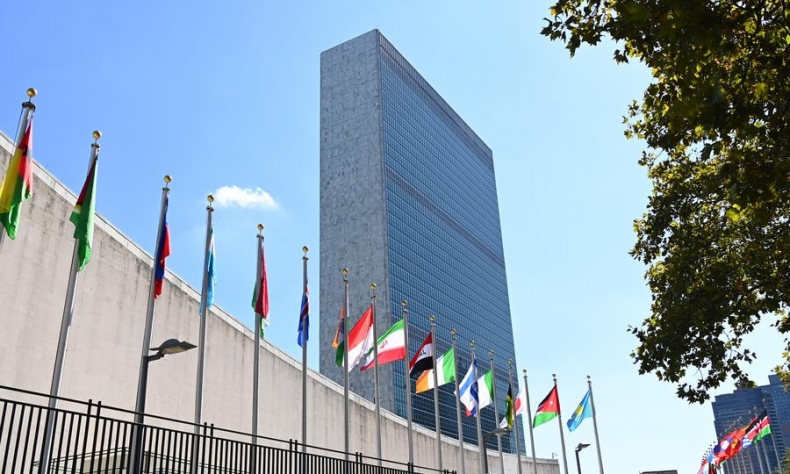
Kyrgyzstan’s election as a non-permanent member of the United Nations Security Council marks the first time the country will serve on the Council. At the same time, Kyrgyzstan holds the rotating presidency of the Shanghai Cooperation Organization (SCO) for 2025-2026 and will host the organization’s summit in Bishkek in 2026.
Together, these developments represent more than a diplomatic achievement for Kyrgyzstan; they reflect the growing voice of the Global South in international affairs. They demonstrate that meaningful representation in global governance should not be determined solely by a country’s size, military strength, or economic power. Rather, every nation deserves a seat at the table and an opportunity to contribute to shaping the international agenda. In this sense, Kyrgyzstan’s election is not only a national success but also a victory for the principle of a more inclusive and representative international order.
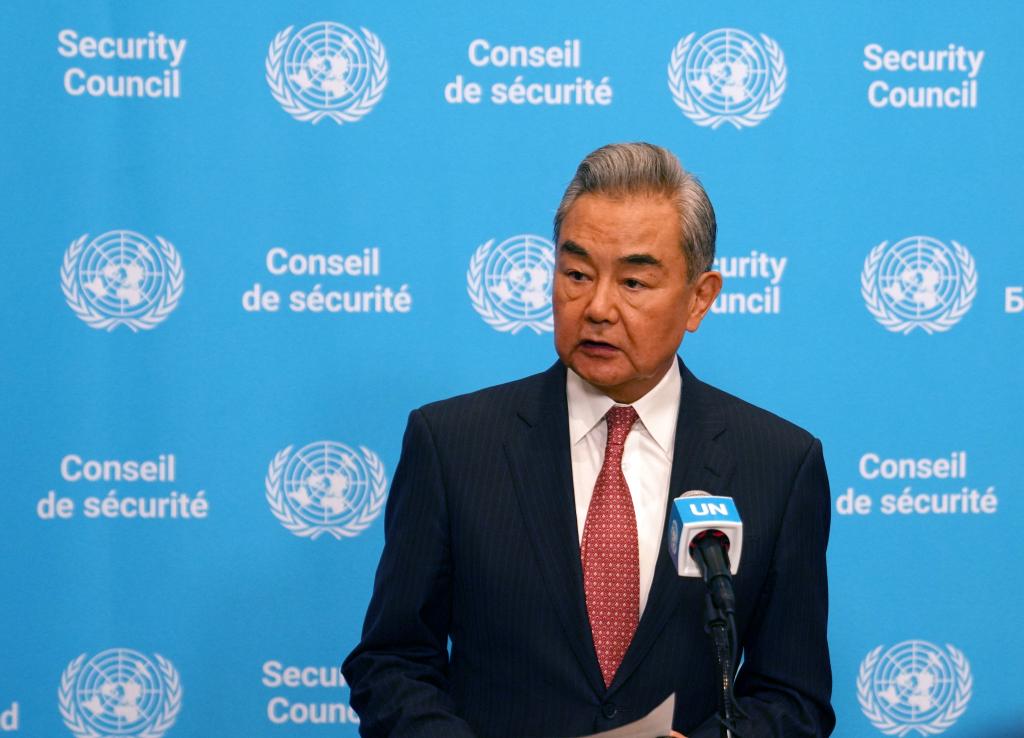
Speaking at the United Nations Security Council High-Level Meeting on May 26, Chinese Foreign Minister Wang Yi reiterated support for the UN Charter, multilateralism, and greater participation by developing countries in international decision-making. For many nations across Asia, Africa, and Latin America, his remarks represented a growing geopolitical realities.
The significance of this debate extends far beyond China. Across the Global South, there is a growing belief that the institutions governing the world no longer reflect the world as it actually exists. Africa, home to more than 1.4 billion people, has no permanent seat on the United Nations Security Council. India, the world’s most populous nation, remains outside its permanent membership. Latin America continues to lack representation commensurate with its economic and demographic weight.
Meanwhile, many developing countries continue to face structural disadvantages in global finance, trade, and technology governance. The result is a widening gap between the power of the international institutions and the economic and demographic realities.
For many countries in the Global South, reform is therefore not an abstract political demand—it is a practical necessity. Climate vulnerability, debt burdens, food insecurity, public health challenges, and unequal access to technology affect developing countries disproportionately, yet their influence over the policies designed to address these challenges often remains limited.
This helps explain why initiatives emphasizing South-South cooperation and development-centered multilateralism are gaining momentum. The growing appeal of platforms such as BRICS, the Shanghai Cooperation Organization (SCO), the New Development Bank (NDB), and the Asian Infrastructure Investment Bank (AIIB) reflects a broader desire for greater strategic autonomy, stronger representation, and more policy flexibility.
Critics often portray these developments as attempts to undermine the existing international order. Such interpretations miss the central point. Most countries across the Global South are not seeking to dismantle multilateral institutions; rather, they are calling for those institutions to become more representative and responsive to contemporary realities. Their demands for reform are not a rejection of the United Nations system, but an effort to realize its founding principle of sovereign equality among nations.
Indeed, sovereign equality remains one of the foundational principles of the UN Charter. Yet many countries continue to face unequal access to finance, limited influence over international rule-making, and inconsistent treatment during geopolitical crises. This gap between principle and practice has contributed to growing frustration across the developing world.
Wang Yi’s speech addressed three themes that resonate strongly across the Global South: sovereignty, development, and reform of global governance. He reaffirmed the importance of the UN Charter, sovereign equality, and non-interference in internal affairs—principles that many developing countries view as essential safeguards in an international system where smaller states often face pressure from the more powerful actors.
His call for greater representation of developing countries within institutions such as the IMF and World Bank echoed longstanding concerns that global financial governance has failed to keep pace with the changes of economic realities. Equally significant was his emphasis on development as the foundation of international stability.
Rather than placing geopolitical rivalry at the center of international affairs, Wang argued that development should remain the primary focus of global cooperation. Through initiatives such as the Global Development Initiative, the New Development Bank, and the AIIB, China is promoting mechanisms that emphasize infrastructure, industrialization, cooperation and capacity-building across the developing world.
For many countries in the Global South, this approach reflects a growing preference for development-centered cooperation, greater strategic autonomy, and a more representative multipolar order.
The Global South today is no longer merely a recipient of global decisions. It is a major driver of economic growth, innovation, and political change. As its influence expands, demands for a stronger voice in shaping international rules and institutions are becoming increasingly difficult to ignore.
The question is no longer whether global governance should change. The real question is whether existing institutions can adapt quickly enough to reflect the realities of the twenty-first century.
The message emerging from much of the developing world is becoming increasingly clear: the era in which the Global South simply accepted decisions made elsewhere is drawing to a close. The future of global governance is likely to be more representative, more multipolar, and more responsive to the priorities of developing nations—not because any single country demands it, but because global realities increasingly require it.
The message from New York is equally clear: the United Nations does not belong to any one group of nations. It belongs to all humanity.
As the global governance power becomes more broadly distributed and the Global South continues to rise, a more inclusive international order is not merely desirable—it is increasingly inevitable. The future is multipolar, and its foundations are already being built.
The article reflects the author’s opinions, and not necessarily the views of China Focus.