“China Opportunity 2.0” Captivates World
 Facebook
 Twitter
 Linkedin
 Google +
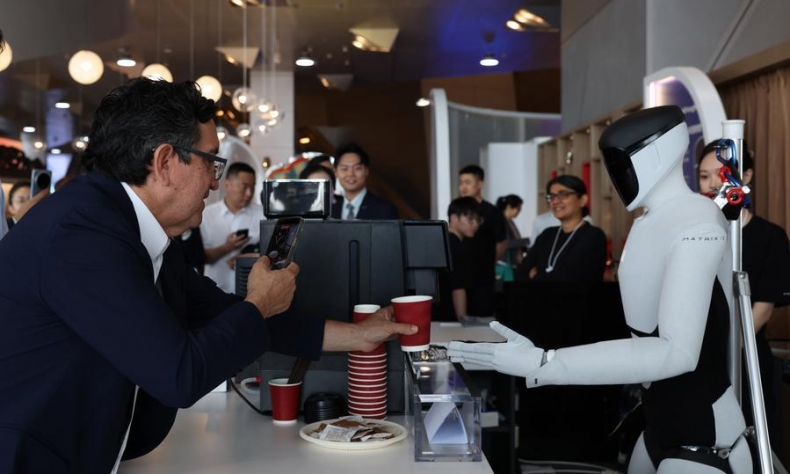
China’s future competitiveness will be driven by breakthroughs in science and technology, advanced manufacturing, artificial intelligence, robotics, digital transformation, and high-end industries.
Chinese Premier Li Qiang has introduced a new global narrative, “China Opportunity 2.0,” urging the international community to view China’s technological and economic transformation as a source of shared prosperity rather than subscribing to the Western concept of “China Shock 2.0.”
Delivering the keynote address at the opening plenary of the World Economic Forum (WEF)’s 17th Annual Meeting of the New Champions, widely known as Summer Davos, held in Dalian, Liaoning Province, Premier Li responded to the growing concerns in some Western countries over China’s industrial competitiveness. He rejected the notion of “China Shock 2.0,” arguing that it misrepresents China’s development.
“What China’s technologies and products in emerging industries bring to the world is not a shock, but an opportunity; not a threat, but empowerment.
Li stressed that China’s competitiveness is not built on government subsidies but on decades of hard work, continuous investment in research and development, a highly skilled workforce, and the advantages offered by its vast domestic market.
Chinese technology company Huawei provides a compelling example of the Premier’s points. In 2025, Huawei invested 192.3 billion yuan in R&D, accounting for 21.8 percent of its annual revenue. Altogether, the company’s R&D investment over the past decade amounts to 1.382 trillion yuan.
He also observed that an increasing number of multinational companies are shifting strategy from “Made in China” to “Created in China,” expanding research, innovation, and high-value operations within the country. In 2025, 14,000 foreign invested R&D and technology service centers were set up in China, 27.2 percent up over the precious year.
He emphasized that China’s next stage of development will generate new opportunities for global economic growth through innovation, industrial upgrading, and expanded international cooperation.
Li explained that while China previously contributed to the world economy through its vast consumer market and cost-efficient manufacturing, it is now entering a new phase in which technological innovation and industrial modernization are creating new dividends for global markets.
According to Premier Li, China’s future competitiveness will be driven by breakthroughs in science and technology, advanced manufacturing, artificial intelligence, robotics, digital transformation, and high-end industries. These innovations, he said, will strengthen China’s own economy while also offering new opportunities for businesses, investors, and economies worldwide.
Premier Li described China as an important stabilizing force for the global economy amid geopolitical tensions, supply chain disruptions, energy shortages, and regional conflicts.
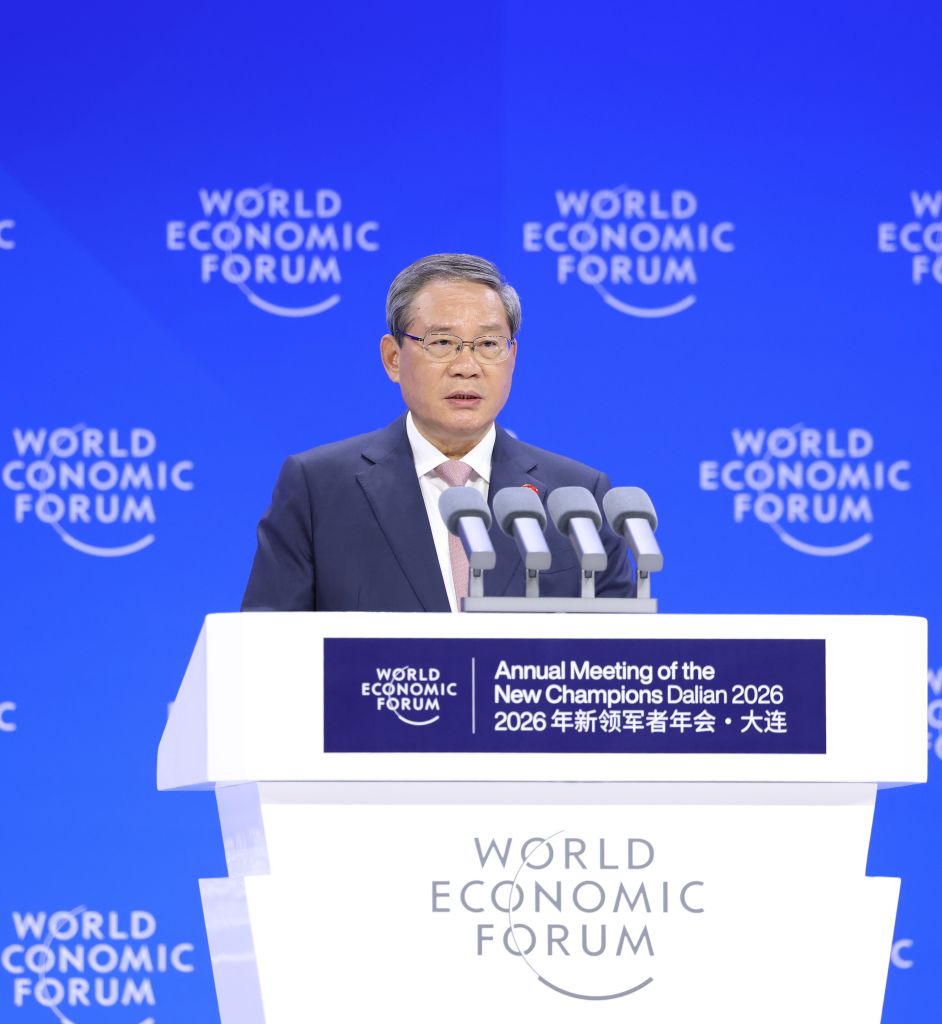
He said China’s ability to maintain stable economic growth has provided valuable certainty during uncertain times.
Although recent geopolitical developments, including tensions in the Middle East, have increased pressure on global markets and commodity prices, Li expressed confidence in China’s economic resilience.
China has both the confidence and the capability to sustain our development momentum and continue writing new chapters in China’s high-quality development.
Reaffirming China’s commitment to openness, Li stated the country will continue to integrate more deeply into the global economy.
China has granted zero-tariff treatment to 63 countries, while its imports have ranked second globally for 17 consecutive years. During the first five months of 2026, China’s imports increased by 20.5 percent year-on-year, significantly outpacing export growth.
Li emphasized that China remains committed to expanding market access, strengthening global supply chains, and promoting mutually beneficial economic cooperation.
While praising the transformative potential of artificial intelligence and other emerging technologies, Li also acknowledged the challenges they present.
He warned that AI development brings concerns over ethical issues, technological risks, and governance challenges.
“The development of artificial intelligence has significantly enhanced innovation efficiency, but we cannot ignore the risks of technological runaway and ethical consequences,” he said.
He emphasized that China will continue to expand market access for foreign investors, and welcome sincerely businesses the world over to invest in China, so as to share more new opportunities in China’s development and create a better future together.
Held under the theme “Innovating at Scale,” this year’s Summer Davos has brought together more than 1,700 participants from over 90 countries and regions, including political leaders, business executives, entrepreneurs, and experts, to discuss innovation, economic resilience, and the future of global development.
The article reflects the author‘s opinions, and not necessarily the views of China Focus.