Xi-Trump Summit: New-Positioning of China-U.S. Relations
 Facebook
 Twitter
 Linkedin
 Google +
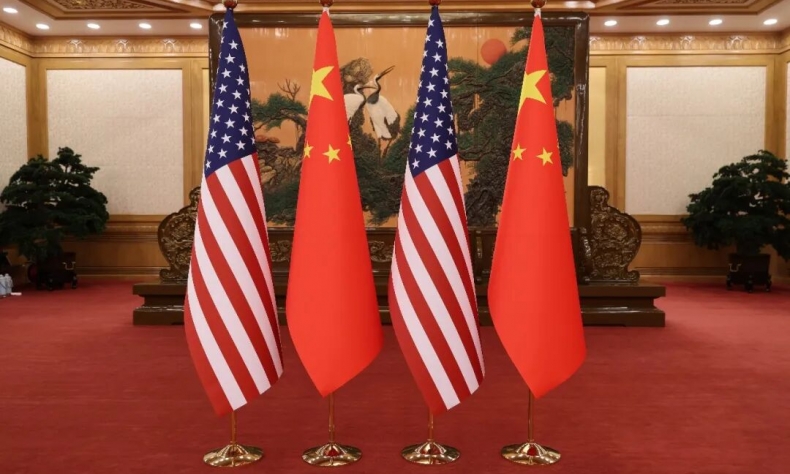
The proposed framework represents another attempt to redefine relations between major powers through dialogue and cooperation.
China and the United States have entered a fresh phase in bilateral relationship following the landmark meeting between Chinese President Xi Jinping and U.S. President Donald Trump in Beijing.
At the center of the discussions was the shared commitment to establish a new positioning of China-U.S. relations based on long-term strategic stability, cooperation, and mutual respect – a new vision of building a constructive bilateral relationship of strategic stability.
This renewed framework is expected to guide ties between the world’s two largest economies over the coming years while contributing greater predictability to global affairs.
During their talks at the Great Hall of the People, the two leaders agreed on the importance of building a constructive China-U.S. relationship of strategic stability. President Xi emphasized that strategic stability should be grounded in four essential principles: a positive stability with cooperation as the mainstay, a sound stability with moderate competition, a constant stability with manageable differences, and an enduring stability with promises of peace. According to the Chinese side, these principles are intended to create a durable and balanced foundation for future engagement rather than a temporary diplomatic arrangement.
President Xi also highlighted several broader questions shaping the future of China-U.S. relations. He asked whether both countries could avoid the so-called “Thucydides Trap,” work together to confront global challenges, and create a better future for their peoples and the international community. He stressed that these are historic questions that major powers must answer collectively in an increasingly interconnected world.
The proposed framework represents another attempt to redefine relations between major powers through dialogue and cooperation. Chinese officials referenced the legacy of “Ping-Pong Diplomacy” more than five decades ago, which helped reopen communication between Beijing and Washington after years of estrangement. Since then, especially since President Richard Nixon’s China trip in early 1972, economic ties, cultural exchanges, and diplomatic cooperation have significantly expanded despite recurring tensions and disagreements. Chinese analysts argue that direct confrontation or attempts to fundamentally reshape the other side would damage both countries and destabilize the international system.
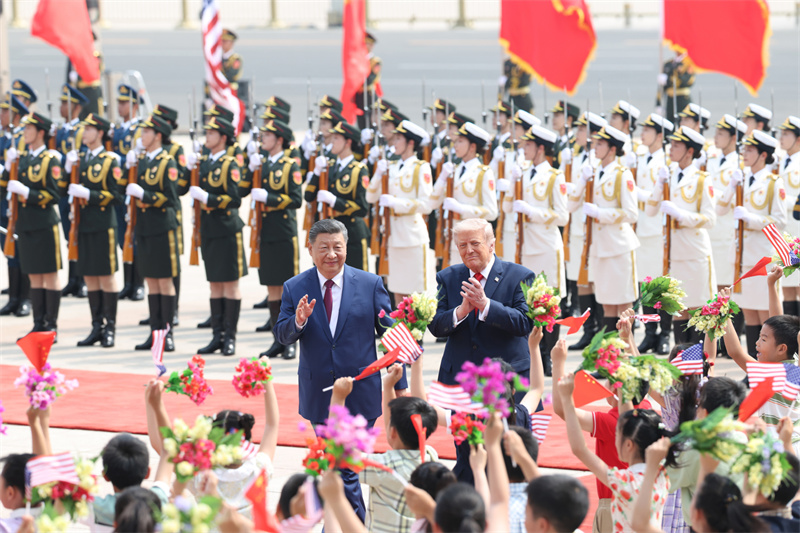
The meeting between the two presidents reportedly lasted over two hours and reflected a noticeably warmer tone. President Trump praised President Xi’s leadership and acknowledged the importance of China’s global role, stating that both nations have the capacity to achieve major progress together for the benefit of the world. Observers viewed these remarks as a sign of a more pragmatic and balanced U.S. approach toward China.
Both sides also discussed major international issues, including the situation in the Middle East, the conflict in Ukraine, and developments on the Korean Peninsula. They agreed to support successful outcomes at upcoming international forums such as the APEC Economic Leaders’ Meeting and the G20 Summit. Chinese officials described this as evidence that Beijing and Washington are prepared to cooperate more closely on global governance and international stability.
Economic cooperation was another important focus of the visit. Business participation during President Trump’s delegation reflected evolving priorities in China-U.S. relations, with increased representation from technology companies and financial institutions rather than traditional sectors alone. Recent trade consultations between both countries were also described as productive, signaling efforts to reduce friction and strengthen economic engagement through practical measures.
At the official banquet later in the evening, President Xi reiterated that mutual respect, peaceful coexistence, and mutually beneficial cooperation remain essential for sustaining healthy relations between the two countries. He emphasized that strategic stability must be demonstrated through consistent actions and trust-building rather than political rhetoric alone.
The two leaders also toured the Temple of Heaven, where they posed for photographs at the historic Hall of Prayer for Good Harvests. Symbolically, the visit was widely interpreted as reflecting hopes for a more productive and stable future in China-U.S. relations. Chinese commentators suggested that this “new positioning” offers a different solution to zero-sum rivalry by encouraging cooperation, shared development, and coordinated responses to global challenges.
Supporters of the new framework believe it could provide stronger direction for bilateral ties while also contributing confidence and stability to the broader international community during a period of geopolitical uncertainty.
The article reflects the author‘s opinions, and not necessarily the views of China Focus.