Financial Sovereignty: Why the World Is Building Alternatives
 Facebook
 Twitter
 Linkedin
 Google +
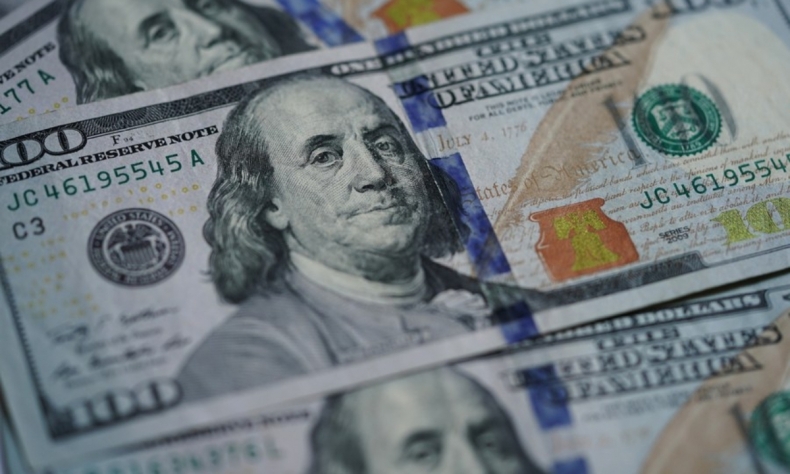
Local-currency trade and multi-currency payment systems are not meant to replace the dollar, but to create choices.
Given the U.S. dollar’s central role in the global financial system and the weight of the American economy, domestic policy decisions in the United States send ripples through global financial markets, affecting countries that have neither a vote nor a voice in those decisions.
When the U.S. Federal Reserve raises interest rates, many emerging economies face capital outflows, currency pressure, and tighter financial conditions. When U.S. fiscal policy influences global markets, developing countries often face higher financing costs. And because of the dollar’s central role in international trade, payment, settlement and reserve, U.S. sanctions can have consequences far beyond the countries directly targeted.
It is the way the international financial system has evolved over decades. But fortunately, institutions and financial architecture can be reformed. The question now is whether that reform is genuinely taking shape and whether it will provide the Global South with the greater financial autonomy, resilience, and policy space it has long sought.
The dollar’s global dominance rests on three mutually reinforcing pillars. It is the world’s primary reserve currency, the leading currency for international trade and financial transactions, and the backbone of the global payments system.
Today, around 57 percent of the world’s official foreign exchange reserves are held in U.S. dollars, approximately 89 percent of all foreign exchange transactions involve the currency, and a significant share of international borrowing is denominated in dollars.
Together, these three pillars give the United States a financial influence unmatched by any other economy.
This structural asymmetry has real consequences. The Federal Reserve’s interest-rate increases in 2022 were intended to address domestic inflation, yet their effects extended far beyond U.S. borders. Many developing economies faced tighter financial conditions, weaker currencies, and significantly higher debt-servicing costs. Between 2022 and 2024, they paid a net 741 billion U.S. dollars in external debt service, representing the largest financial outflow in more than half a century.
The Federal Reserve’s 2026 rate hike illustrates a recurring reality. The United States acted to address inflation at home, exactly as its central bank is mandated to do. But because the dollar sits at the center of the international financial system, the consequences extended across the globe, with many developing economies bearing a disproportionate share of the financial burden.
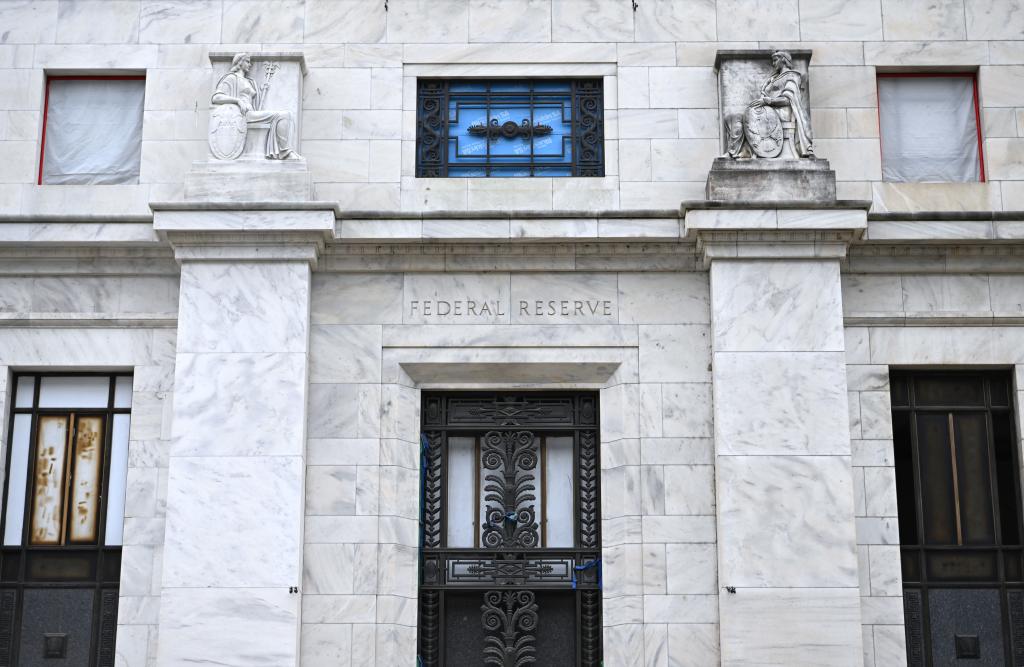
The question is why developing countries should remain so vulnerable to decisions over which they have no influence. That is precisely why financial diversification and greater monetary autonomy have become strategic priorities across much of the Global South.
The world is already changing. Alternative financial architectures are no longer possibilities. They are emerging through local-currency trade, new payment infrastructure, alternative development finance, and diversified reserve arrangements.
Alternative financial architectures are also taking practical form through the expansion of local-currency trade, the New Development Bank’s growing local-currency lending, BRICS’ work on cross-border payment interoperability, China’s Cross-Border Interbank Payment System (CIPS), the Pan-African Payment and Settlement System (PAPSS), and the diversification of foreign exchange reserves by many central banks.
None of these developments will replace the dollar overnight. But together they point toward a more diversified international financial system—one in which countries have more choices, greater resilience, and less dependence on a single currency or payment network.
Trade settlements in local currencies can reduce conversion costs, limit exposure to dollar volatility, and diversify financial risk. More importantly, they reduce dependence on a single currency and payment infrastructure, giving countries greater flexibility when sanctions, geopolitical tensions, or financial disruptions affect international transactions.
Local-currency trade and multi-currency payment systems are not meant to replace the dollar, but to create choices.
They provide alternative channels when primary ones are disrupted, reduce exposure to external policy shocks, and allow countries to diversify their reserves and payment infrastructure without abandoning the existing global financial system.
This should not be interpreted as aggression or competition. It is an exercise in financial sovereignty.
Every sovereign nation seeks to strengthen its own economic security. The United States, quite rightly, designs its monetary and fiscal policies according to its domestic priorities. It is therefore neither unreasonable nor confrontational for other countries to seek greater financial resilience, broader payment options, and more diversified financial relationships.
Financial sovereignty is not about weakening another country’s influence. It is about strengthening one’s own capacity to make independent economic choices.
The article reflects the author’s opinions, and not necessarily the views of China Focus.