 Facebook
 Twitter
 Linkedin
 Google +

Building a Data Ecosystem
After the WDO is fully operational, it is expected to play a significant role in global data governance by fostering a more open, inclusive and equitable global data ecosystem.
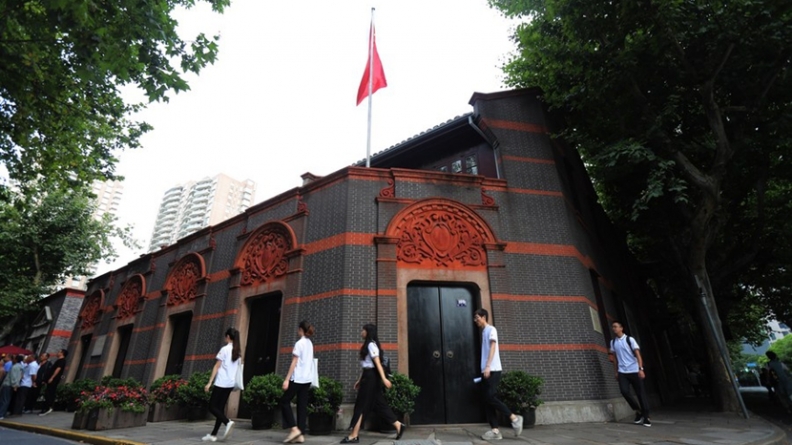
After the WDO is fully operational, it is expected to play a significant role in global data governance by fostering a more open, inclusive and equitable global data ecosystem.
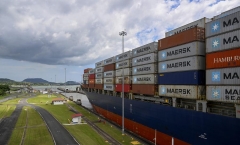
Sustainable development depends on openness, cooperation and respect for mutually agreed rules.

Power is now more spread out, yet is also more fiercely contested.

President Trump’s reckless global gamble has blinded him to the long-term risks that his series of almost obsessive foreign moves—targeting China, Europe, Russia, Iran and indeed the entire world—pose to the U.S.

When technological capacity and resource distribution are profoundly unequal, how to prevent the powerful from claiming, in the name of efficiency, what belongs to everyone?
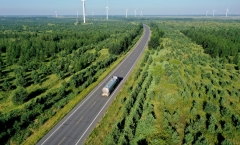
As the new legislation further balances economic development and environmental protection, China will accelerate its progress in turning the vision of a Beautiful China defined by clear waters, green mountains and clean air, into reality.

The Strait of Hormuz may prove to be Trump’s Waterloo, but one defined not by cannons, but by political overreach.

In China, the reporter’s role is not to confront the system but to help it function as intended—to keep the ‘mass line’ open, ensuring information flows between the people and the leadership.

From Washington’s perspective, Japan is increasingly little more than a pawn to be discarded when convenient, and Takaichi’s trip to the U.S. laid that bare.

China’s new development model—centered on innovation, new quality productive forces and sustainable growth—aims to enhance both domestic resilience and global engagement.

Only through sustained growth can China, Asia and the RCEP region become the greatest source of certainty in the global economy over the next decade, and play a notable role in regional integration and a new wave of globalization.
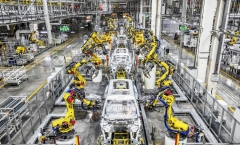
A China that continues to grow and transform, boost domestic demand, advance its technological capabilities and engage productively with the world not only benefits its own people but also offers genuine opportunities for shared prosperity globally.