 Facebook
 Twitter
 Linkedin
 Google +

Righting the Ship
With the restoring of order in Kazakhstan, economic issues and its people’s livelihood will become the government’s top priority. Cooperation with China will help the country address its most pressing development challenges.
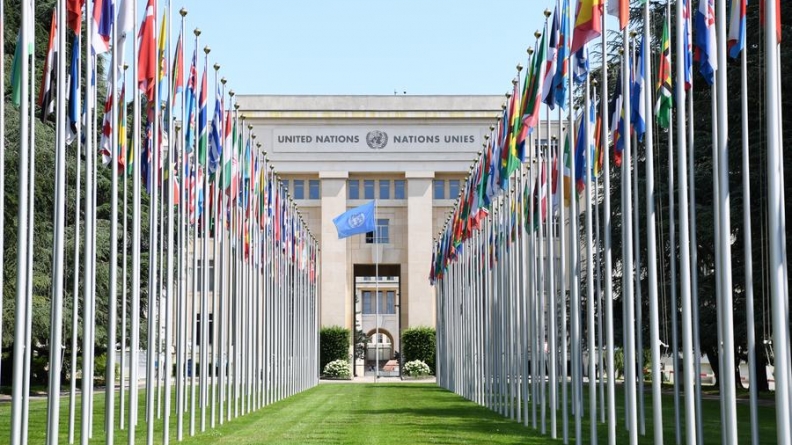
With the restoring of order in Kazakhstan, economic issues and its people’s livelihood will become the government’s top priority. Cooperation with China will help the country address its most pressing development challenges.
The U.S. irresponsibly left the JCPOA during Trump’s time in office, has since imposed sanctions against Iran, and is still stalling on reviving the deal in ongoing multilateral talks in Vienna, Austria.
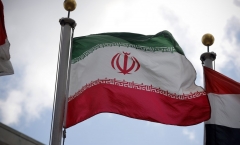
America’s problem with Iran is not, in fact, about nuclear weapons. Instead, it is a question of regional hegemony, that is, ‘who dominates the Middle East.’

The Conservative Party now sits considerably behind the Labour Party in the polls, its worst scoring in years, while the Prime Minister faces ever-growing discontent from his backbenches.

Several African countries are currently working to convince dual nationals to represent their countries, while developing appropriate spaces for the practice of these winter sports. The hope is to have a massive presence of African athletes at the Winter Olympics.
Despite challenges of the pandemic, China has continued to reform and open up its path of greater integration and connection into the global economy, while creating a modern, dynamic, and professional system at home.
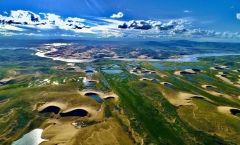
When China, Europe and the U.S. work together, they can solve the most complex problems and contribute to the advancement of humankind.
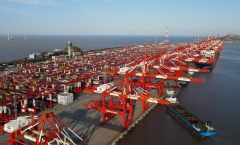
In the face of global economic headwinds, China has continued to manage its economy with caution and prudence, in order to pursue balanced growth and long-term gains.

Putting the population first and taking its longing for a better life as the goal is the responsibility of all countries.
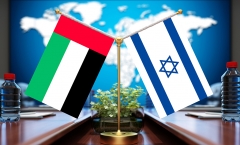
The UAE has showcased its diplomatic flexibility and pragmatism in its efforts to normalize its ties with Israel. However, their differences in many areas are bound to lead to a limited rapprochement between the two.
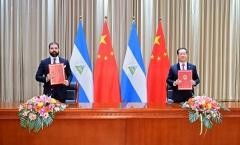
If the Taiwan authorities continue to depend on America for their ‘independence agenda’ and play with fire, they will face an even greater failure.
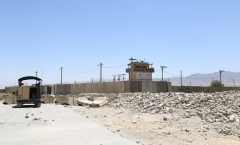
Apart from humanitarian aid, Afghanistan also needs long-term investment in road, energy, connectivity and economic infrastructure.