China’s Global Security Initiative Is a Vision for a Safer World
 Facebook
 Twitter
 Linkedin
 Google +

As global threats grow more complex and international cooperation frays, China’s Global Security Initiative offers a framework for collective action built on dialogue, shared development and mutual respect.
During the Cold War, the world was bipolar, meaning it was divided into two blocs — one led by the USSR and the other by the United States. Global politics were somewhat predictable, and a balance of power existed. As the ideological struggle was at its peak, many conflicts were viewed through an ideological lens. Both superpowers were capable of destroying each other, but the principle of mutually assured destruction discouraged direct military confrontation.
That is no longer the case. The contemporary international system has undergone profound changes. Today, the world is multipolar, with China, the U.S., Russia, the European Union and many other actors emerging as major powers. Power is now spread among several states, while unilateralism and hegemonism make global politics more complex and uncertain. The world has become less united and less safe, with global security facing multiple, mutually reinforcing challenges simultaneously.
What is global security?
The measures, initiatives and collective efforts undertaken by countries, international organizations and other actors to protect people, states and the international system from threats that can affect peace, stability and well-being across national borders are collectively called global security.
The challenges global security faces today are very different from those in the past. Today’s world is deeply interconnected, meaning conflict in one country affects many others. Similarly, no single power dominates the world. Despite strategic competition among major powers, their relations in many areas remain significant. China-U.S. economic ties are the clearest example.
The most important aspect of the challenges global security faces today is that they are diverse in nature. Traditional challenges such as nuclear weapons, wars and military confrontations remain, but modern threats, including digital warfare, cybersecurity risks, terrorism, the role of non-state actors, and health and environmental crises, have made the situation more complex and pose a serious threat to all of humanity.
These challenges affect all countries regardless of size, geographic location, level of development or wealth. Due to globalization, interconnectedness and interdependency, no nation can protect itself alone. As a result, there is a growing need for international cooperation and new approaches to global security.
The Global Security Initiative
To address these challenges and make the world a safer place, Chinese President Xi Jinping introduced the Global Security Initiative (GSI) at the opening ceremony of the Boao Forum for Asia Annual Conference on April 21, 2022. The initiative has since gained worldwide attention, with over 130 countries and international organizations expressing support for or engaging with the initiative and its principles included in more than 140 bilateral and multilateral documents.
The GSI highlights the concept of “indivisible security” and holds that security of one state must not come at the expense of that of others. It calls for common, comprehensive, cooperative and sustainable security, and prioritizes dialogue over confrontation and partnership over bloc politics or military alliances.
In practical terms, the GSI is China’s proposal for how countries should address global security challenges. It urges nations to adapt to the changing international landscape and tackle complex, intertwined security challenges with a cooperative mindset. The initiative aims to eliminate the root causes of international conflicts, improve global security governance, encourage joint international efforts and promote durable peace and development worldwide.
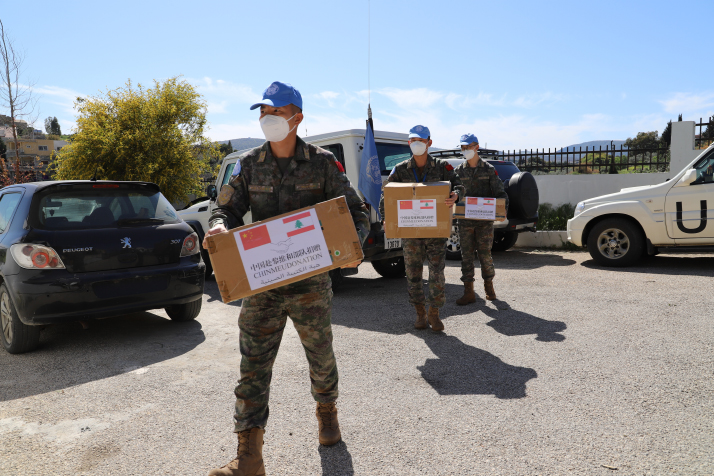
A close look at the international system over the past two decades reveals that digital warfare, terrorism, frequent wars, military confrontations, border skirmishes, climate-related disasters and outbreaks of infectious diseases have caused widespread human suffering and economic disruption — straining businesses, livelihoods and government resources while triggering food shortages and energy crises.
Rising geopolitical tensions, intensifying competition and persistent regional conflicts have further eroded international cooperation. Against this backdrop, the GSI has emerged as a stabilizing driver, urging nations to resolve disputes while upholding the principles of the U.N. Charter.
These challenges reflect that in the contemporary world, security is not limited to military defense. Economic development, social stability, responsible use of technology, environmental protection and public health are all closely linked. A crisis in one area directly affects the others.
Many policymakers and scholars therefore argue that global security requires comprehensive solutions that consider multiple dimensions of human well-being.
Core principles and significance of the GSI
The new security vision proposed by China under the GSI rests on four key principles: common security, comprehensive security, cooperative security and sustainable security.
Common security means that everyone’s security matters. A country should not strengthen its own security in ways that threaten or unsettle other states. In an interconnected world, the fates of nations are bound together. When countries respect each other’s legitimate concerns and pursue mutual benefit, peace and stability follow. In short, common security means all countries — not just a select group of powerful ones — should be able to enjoy security.
Comprehensive security recognizes that modern threats extend well beyond traditional military challenges. Security is not solely about protecting a state from armed attack. The GSI’s principle of comprehensive security calls for attention to political, economic, social, technological, environmental and health-related issues alike, on the grounds that effectively addressing the root causes of instability reduces the likelihood of future conflicts and crises.
Cooperative security holds that states should not rely on military power or act unilaterally to resolve security challenges. Instead, they should work together to deal with such matters. This principle emphasizes dialogue, consultation and partnership and advocates for the peaceful resolution of conflicts.
Contemporary challenges — climate change, pandemics, terrorism and cybercrime — cross national borders and cannot be solved by any one country alone. Regional and international organizations, along with bilateral partnerships, play a vital role in facilitating that cooperation. The GSI accordingly encourages nations to resolve their differences peacefully using dialogue, negotiations, and other such tools.
The principle of sustainable security stresses the connection between security and development. In the keynote speech in which he announced the initiative, President Xi said “security is the precondition for development” and cited a Chinese axiom: “Stability brings a country prosperity while instability leads a country to poverty.”
The principle holds that sustainable development and stability depend on security and prosperity. The GSI therefore urges nations to accelerate economic growth, improve living standards and support sustainable development as the foundation for long-term peace and stability.
The significance of the GSI lies partly in its timing. It was announced shortly after the outbreak of the Russia-Ukraine conflict in February 2022, at a moment of deep global turbulence when international cooperation was under severe strain. China’s GSI was presented as a framework to counter unilateralism and reform global security governance by promoting peaceful dispute resolution, non-interference, respect for sovereignty and territorial integrity. The significance of fostering a vision of common, comprehensive, cooperative and sustainable security lies in building a better world of enduring peace and common development.
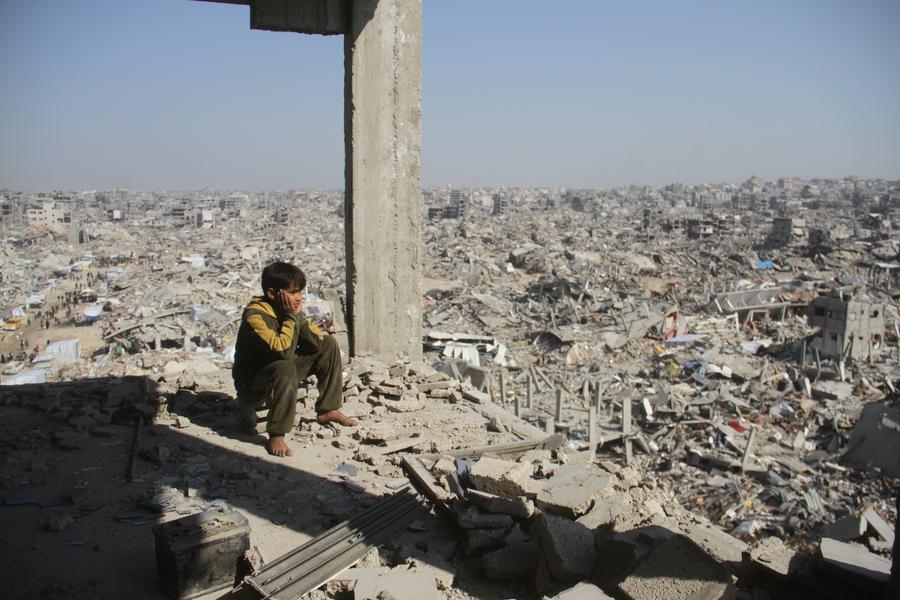
The GSI’s central goal is to address the international community’s need to maintain peace and prevent conflict. The initiative not only traces the evolution of security challenges from traditional military threats to modern ones but also offers principles aimed at building trust among nations and contributing to a more stable international order.
The GSI also reflects the Chinese leadership’s recognition that security is not solely a military matter, and that economic resilience, technological cooperation, public health preparedness and environmental sustainability are equally important to world peace and stability. That broad vision speaks to the realities of modern globalization and the need for well-coordinated responses to shared global challenges.
Advancing the implementation of the GSI
For the GSI to achieve its goals, effective implementation is essential. Several practical steps can help advance its impact.
There is a need to strengthen dialogue and communication at all levels among countries. Whether it be government-level exchanges, meetings with international organizations, students exchange programs, cultural exchange or the role of civil groups, all these measures will help build trust among nations. They will enhance diplomatic ties as well as people-to-people connections. In this way, little to no room will be left for misunderstandings and open communication will create space for cooperation in areas where interests overlap.
Because the GSI calls for multilateralism, greater support should be provided to multilateral institutions, particularly the United Nations and other established international organizations. Rather than creating new platforms, existing ones should be strengthened. They may have shortcomings, but they bring years of experience coordinating responses to global challenges. Improving their working mechanisms can meaningfully enhance their effectiveness.
All countries need to recognize the seriousness of non-traditional security threats and expand practical cooperation in these areas. Joint efforts in public health, disaster relief, cybersecurity, climate adaptation, food security and energy security can produce tangible benefits for people around the world. Success in these areas will help countries build the mutual trust that makes collective action possible.
As the GSI aims to address the root causes of instability through development, investment in infrastructure, education, poverty reduction, and sustainable economic growth can help governments earn the confidence of their citizens and build more secure and resilient societies. Development and security are complementary, both reducing vulnerabilities and promoting long-term stability.
No state can be considered developed until the basic necessities of its people are fulfilled and they feel secure within its boundaries. So, greater emphasis should be placed on people-centered security. Individuals and communities can only contribute fully to national life when they feel safe and their basic needs are met. Policies that protect livelihoods, improve living standards, and expand access to essential services contribute to both national and international stability.
In essence, the GSI is a reflection of China’s vision for addressing the complex security challenges the world faces today. Its core principles offer a framework that highlights the importance of dialogue, mutual respect, shared development and international cooperation. In this interconnected and globalized world, risks and threats do not respect borders.
The GSI makes the case for cooperation, the concept of a community with a shared future for humanity, and inclusive approaches to peace and stability. Through continued cooperation and practical implementation, the initiative has the potential to contribute to a more secure and prosperous world for all.
Khalid Taimur Akram is executive director of the Pakistan Research Center for a Community with Shared Future (PRCCSF) in Islamabad.