A Fragile Ceasefire
 Facebook
 Twitter
 Linkedin
 Google +
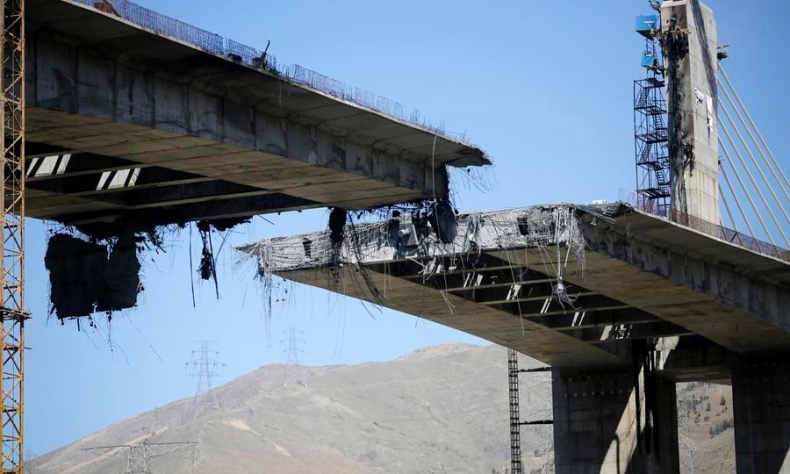
Pakistan brokers a two-week ceasefire between Iran and the U.S., but the region remains fragile.
When direct diplomacy fails, unlikely brokers sometimes step in. Pakistan has negotiated a two-week ceasefire between the United States and Iran, a rare moment of restraint in a region where tensions have escalated repeatedly over the past decade. Capitalizing on established ties with both Washington and Tehran, Islamabad facilitated communication where straightforward engagement has long been paralyzed by mistrust and conflicts. The ceasefire creates space for further discussions scheduled for Friday in Islamabad. It does not resolve the long-standing political, military, and regional tensions that have driven repeated crises, but it offers a critical pause for recalibration and an indication that third-party mediation can succeed where usual channels cannot.
A ceasefire born of pragmatism rather than reconciliation
The agreement shows calculated restraint rather than a genuine alignment of interests. The United States has agreed to hold off on further major escalatory measures, while Iran has indicated its intention to refrain from direct retaliatory actions and to avoid block or interference with maritime traffic around the Strait of Hormuz, at least for the duration of the ceasefire. These steps, although modest, indicate a recognition on both sides that the risks of additional escalation have reached a level that could be costly for each. Pakistan’s involvement has been particularly significant because traditional diplomatic avenues have struggled to produce tangible results, in part due to long-standing mistrust, domestic political considerations, and regional conditions. Islamabad occupies a unique position: it has credible relationships with both sides, a direct interest in preventing regional conflict, and the ability to provide a neutral forum for dialogue. Its role reinforces regional actors’ potential to facilitate effective engagement, even when broader international diplomacy remains stalled.
Motivations and strategic calculations
The rationale for agreeing to the ceasefire differs among the parties, but it converges on a pragmatic purpose. For the United States, the pause reduces the risk of an uncontrollable regional conflict that could draw American forces deeper into combat, destabilize energy markets, and generate cascading political and economic costs at a moment of rising domestic pressure. For Iran, the ceasefire provides breathing space without appearing to compromise its domestic or regional posture, a face-saving exit from a dangerous trajectory. Both sides maintain the claim that the pause is a tactical measure, not a concession, allowing them to preserve credibility while stepping back from the brink. Pakistan’s facilitation offers a layer of legitimacy that makes this framing possible: it enables both governments to present the pause as a strategic choice rather than coercion, which is often the difference between an agreement that holds and one that quietly collapses.
Historical background and regional stakes
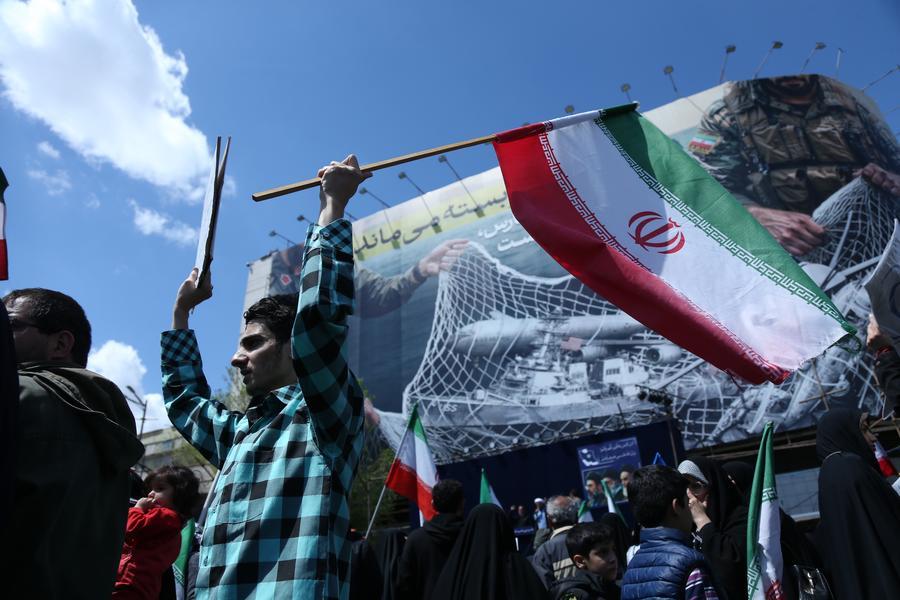
The current ceasefire cannot be fully understood without considering the historical background. U.S.-Iran relations have been defined by cycles of confrontation, negotiation, and mutual distrust since the 1979 Iranian Islamic revolution, with intermittent escalations affecting not only the two governments but also the broader Middle East. Previous attempts at diplomacy, including nuclear agreements and indirect talks, have shown that temporary agreements can provide breathing room but frequently fail to address the structural causes of tension. This historical backdrop accentuates the delicacy of the current ceasefire. Apart from the immediate actors, regional dynamics remain highly complex. Gulf states, Israel, and various non-state actors are all heavily invested in the outcome, and any disruption to the tenuous balance could spill over into multiple theaters of conflict. The Strait of Hormuz, as an important maritime chokepoint for global energy supplies, adds an additional layer of international concern, since even minor incidents can have broad economic consequences.
Potential outcomes and lingering risks
The ceasefire offers a short window to stop further escalation, but it is inherently fragile. Success depends on whether both sides can translate the pause into substantive agreements during the upcoming talks. If Islamabad’s discussions yield mechanisms for deconfliction, maritime security, and communication, the two-week period could serve as the foundation for a more durable diplomatic framework. Conversely, any incident, whether a proxy action, disputed violation, or regional flare-up, could quickly undo the arrangement. The wider regional environment is structured for instability: competing interests, multiple armed actors, and overlapping conflicts all increase the risk that temporary pauses may be short-lived. Even if the ceasefire holds, it may only delay rather than prevent future confrontations. The difficulty lies in whether diplomatic momentum can be sustained beyond this temporary measure and whether regional actors can manage escalation without allowing it to become self-reinforcing.
The significance of the meeting in Islamabad
Pakistan’s role shows the potential of regional actors to influence events where larger powers face rooted opposition and limited trust. By providing a platform for discussion and helping both sides manage political discourses, Islamabad has created the conditions for careful and effective engagement. Its involvement is not without risk, as any perceived failure could have diplomatic repercussions, but it also represents a shift in the calculus for both Washington and Tehran: regional stakeholders can play an active role in crisis management. This dynamic may prove important beyond the current ceasefire, underscoring the value of pragmatic, interest-based diplomacy in a region where high-stakes conflicts frequently escalate in the absence of intermediaries.
Looking past the two-week ceasefire
The two-week ceasefire is a genuine, if fragile, achievement. It reduces immediate risks and opens a window for dialogue that conventional diplomacy has repeatedly failed to sustain. But a pause is not a resolution. The structural tensions driving this crisis, mutual distrust, competing regional interest and ambitions, and the persistent risk of miscalculation, remain intact. The real test comes in Islamabad: if the talks produce concrete mechanisms for de-escalation and communication, this ceasefire may be remembered as the moment diplomacy found a foothold. If they stall, it will be remembered as a brief intermission before the next escalation. What is already clear is this: in a region where great-power diplomacy has largely run out of road, smaller actors with credible relationships and clear interests may be the ones who matter most.