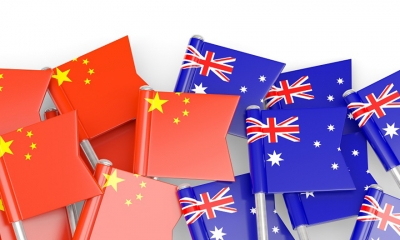
Trump’s Beijing Visit Signals a More Stable U.S.-China Relationship
 Facebook
 Twitter
 Linkedin
 Google +
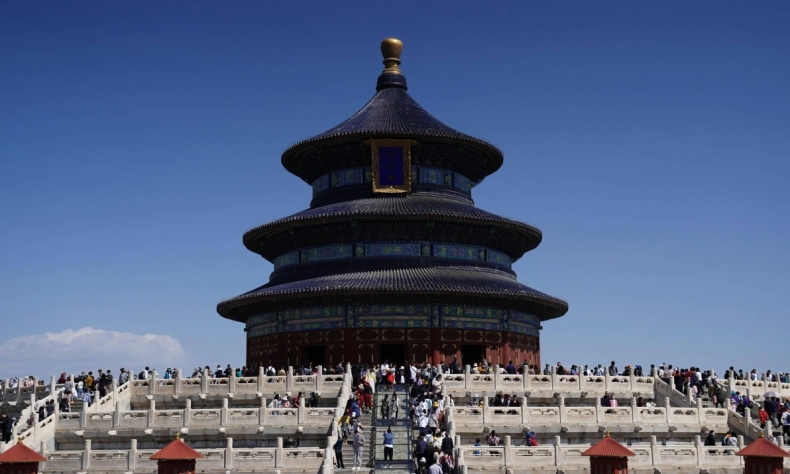
For the sake of the world, it’s vitally important that China and the U.S. find ways to manage differences and negotiate a more cooperative future.
It was no Nixon visit, but neither was it Trump 1.0. The May 13-15 visit to Beijing by U.S. President Donald Trump did not result in a great new accommodation between the world’s two major powers – at least not yet – but neither did it hasten confrontation. China has changed, and so has Trump’s U.S. After a fiery first term, there was a clearly diplomatic Trump on view in Beijing this time around. The stability, predictability, and mutual respect evidenced throughout the visit may serve as the basis for a new and sustainable international order.
Trump was first elected on frustration over the U.S. trade deficit with China. His first visit to Beijing as president, from November 8 to 10, 2017, was characterized as all about trade deals. Yet soon afterwards, he unleashed a series of tariffs and export controls that turned into a full-blown U.S.-China trade war. Almost immediately after that visit, the Trump administration also abandoned decades of “constructive engagement” to adopt a new National Security Strategy that designated China a “strategic competitor.”
After that big switch in U.S. strategy during Trump’s first term, the narrative around China changed – especially across the English-speaking world – from awe at China’s development success to a new fear of a China “threat.” The years since have seen deepening distrust and polarization, with worst-case conflict scenarios evoked by geopolitical analysts and military planners alike.
A grand reset was never likely. The U.S. and China are, after all, natural rivals now that China has become the world’s biggest trading nation. China has become a leader in the technologies of the new economy, from renewable energy to electric vehicles. China is also investing in regional and global institution-building, developing rules and standards, including over new technologies, that puts it at odds with the US, which jealously guards its tech supremacy. Meanwhile, the U.S. has lost patience with the compromises required by the rule- and norm-setting processes of the United Nations, the World Trade Organisation and other multilateral bodies tackling challenges from climate change to global health.
The two major powers have very different visions for a new world order. China is full of confidence about its national rejuvenation and expects a place at the top table of a new multipolar system. The U.S., meanwhile, is deeply troubled about its role in the world, divided at home on its national direction, and seemingly intent on alienating allies from Canada to Europe.
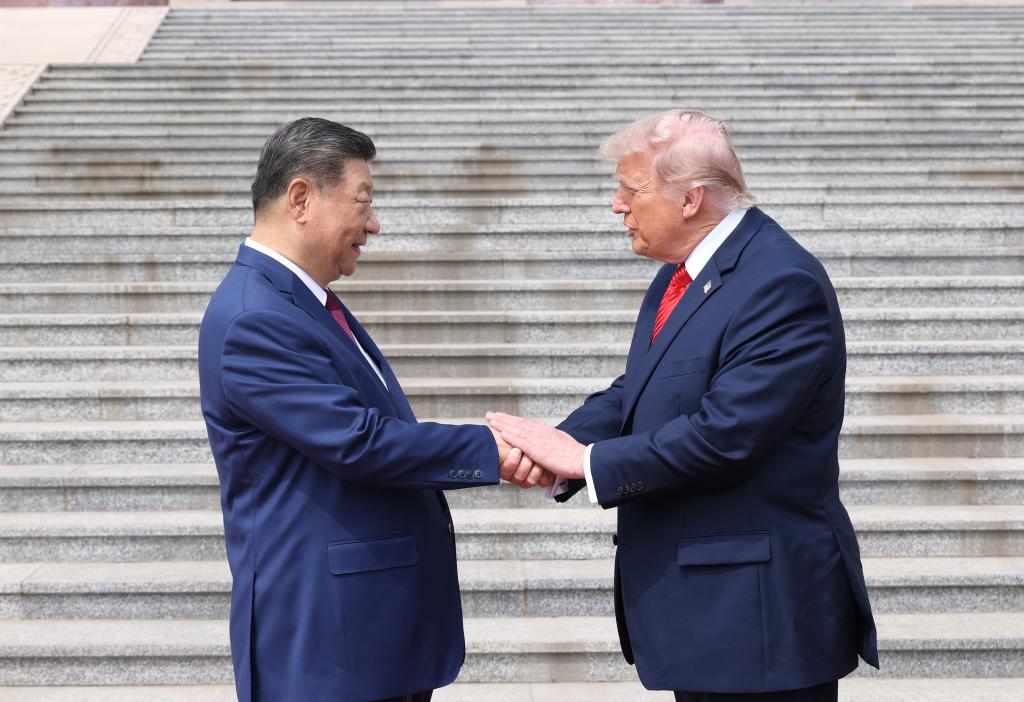
Yet the Trump 2.0 visit was remarkably friendly. That in itself was an achievement. More importantly, for the future, it marked a new stability in the relationship that indicates both powers are looking to manage their competition rather than allow it to spin out of control. It will take time to assess whether this new phase of the relationship can endure beyond Trump’s presidency, but there are good signs for the next three years.
There may not have been immediate announcements about trade deals, but the presence of a heavyweight delegation of American tech leaders was revealing. America’s giant technology companies play a significant role in the U.S. and global economies and are clearly looking for more – not less – economic cooperation with China. That’s a positive sign after the techno-nationalism and excessive export restrictions of Washington.
For the world, it will be critical to develop rules governing AI and other frontier technologies in order to protect human safety. Both the U.S. and China have firms dominating the industries that will determine our future. The U.S. has walked away from the United Nations playing a role in regulating tech, while China has been advocating global rules. The two approaches have been at odds, risking a laissez-faire approach to AI development that could result in catastrophe. It is, therefore, good news that the leaders on both sides are talking.
It was also encouraging that Trump’s Secretary of War, Pete Hegseth, accompanied the President on his visit to Beijing. This was unusual and indicated a serious intent to find areas of cooperation, from the Iran conflict to building more resilient military-to-military communications to avoid or de-escalate crises in the future.
Overall, the visit underlined that there are indeed options for China and the U.S. to co-exist, cooperate, and contribute to global security and stability. This is welcome news after nearly a decade of dire messaging in the English language world.
Indeed, Chinese President Xi Jinping outlined four pillars for a way forward: positive stability with cooperation as the mainstay; sound stability with moderate competition; constant stability with manageable differences; and ensuring stability with promises of peace.
For the sake of the world, it’s vitally important that China and the U.S. find ways to manage differences and negotiate a more cooperative future. A new maturity in narrative, emphasis on diplomacy, and a focus on practical results over the months and years ahead could offer a way forward to a more sustainable arrangement between the two powers.
We remain a long way from any new and stable world order. It’s clear, though, that such an order will be built upon the realpolitik of U.S. and Chinese power as well as an acceptance of a new multipolar international system. It will need guardrails to ensure peace; stability to support economic growth and development; and a new willingness to work together on rules and norms for frontier technologies and other global challenges. The leaders of China and the U.S. must have a mechanism of working relationship. The alternative could be escalating confrontation, crises, and conflict.
The article reflects the author’s opinions, and not necessarily the views of China Focus.