Dysfunctional U.S. and Disorder in the Middle East
 Facebook
 Twitter
 Linkedin
 Google +
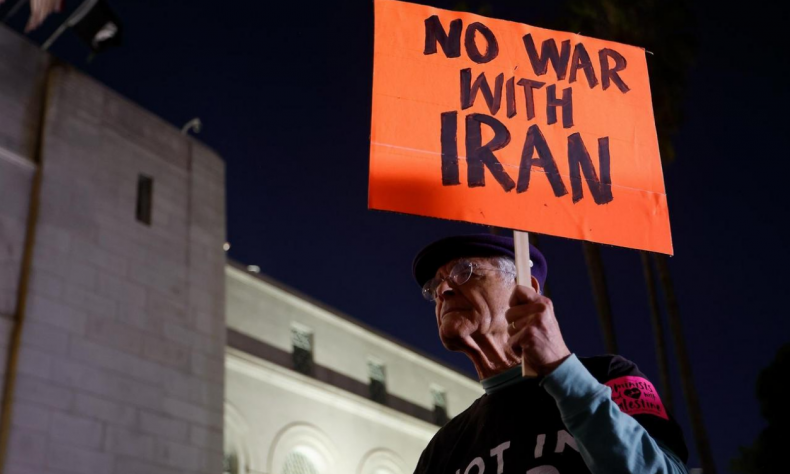
Washington must take steps to cut financial and military support for Israel in the interests of diplomacy and peace across the Middle East as well as the global stability.
The United States under the Trump Administration and the MAGA (Make America Great Again) bloc appears increasingly dysfunctional at home and abroad. While the international system is in transition to a multipolar, polycentric, and multinodal new order, Washington is an obstacle to peaceful change and creates disorder
Heading into the midterm elections, the United States’ internal political situation is volatile and the economic situation is uncertain. The president’s support base, the MAGA bloc is now split. Disillusioned MAGA followers split away and consider MAGA to have become “Make Israel Great Again” (MIGA) and, thus, to ignore American national interests. Public discontent with Trump is at an all-time high and is rising as polling data shows.
The Republican Party appears to be headed for a rout in the November midterm elections. Should this occur, it is expected that the Democrats will take the House of Representatives and possibly the Senate. Should they take the House, Democrats will unleash drawn-out impeachment hearings. Should they also take the Senate, Democrats could have the votes for a decision to impeach.
Mismanagement of the American economy is compounded by the mismanagement of foreign policy. The Ukraine War, the Israeli-American war against Iran, and U.S. support for Israeli regional expansion in Gaza, Lebanon, and Syria have cost U.S. taxpayers many unnecessary billions. The national debt is at epic proportions and inflation is rising.
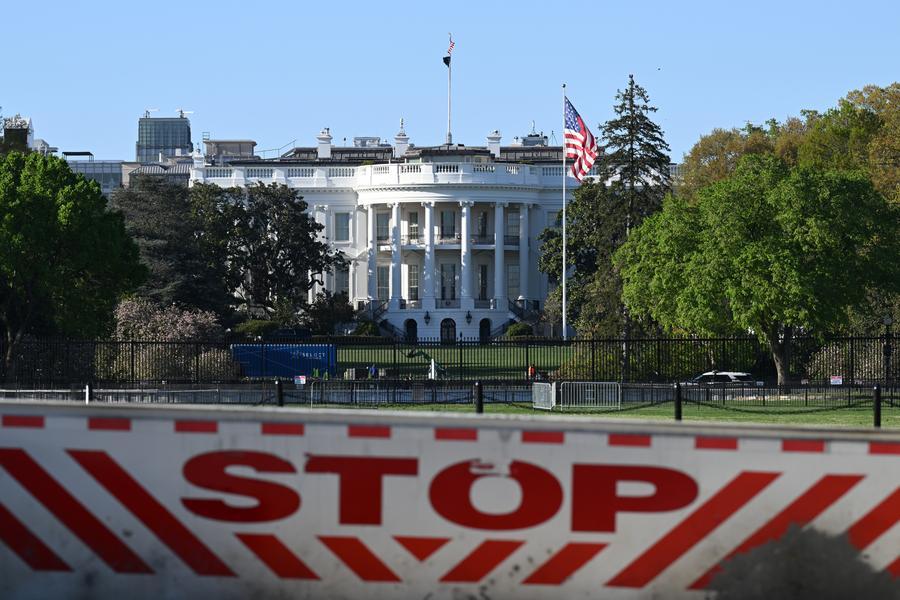
Washington’s foreign policy is mistakenly based on war not on diplomacy. Washington no longer prioritizes diplomacy, so some have concluded that the U.S. is “agreement incapable.” Rather than adapting peacefully to the changing international system, Washington attempts to block it. This creates instability. The outright use of force, economic warfare euphemistically called “sanctions” and proxy wars are the main tools of U.S. policy.
Israeli-American war against Iran
So we arrive at the disturbing international situation today resulting from Washington’s imperialism, neocolonialism, and persistent hegemonism. However, Washington’s “imperial overstretch” may recede as America’s power declines in relative terms and negative world opinion takes its toll on Washington’s reputation and leadership.
The Israeli-American war against Iran has not ended but is currently in a state of de-escalation. There is no actual “ceasefire” which has become a meaningless term given Israeli and U.S. violations of its terms.
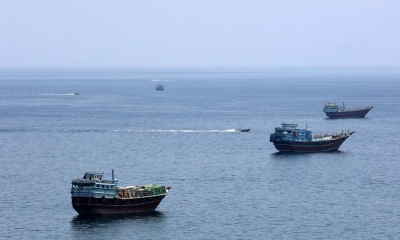
Objectively, Iran has administrative control over the Strait of Hormuz. Some ships are passing through the strait so it is not fully closed at this time but this could change depending on Israeli and U.S. actions.
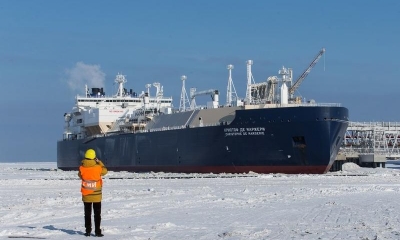
By now, the global economic impact of the restricted shipping through the strait is widely felt. Global supply chains of hydrocarbons, fertilizers, various chemicals and helium are disrupted. Significantly, inventories established before the war are now running out which means that a continued slowdown of exports from the Gulf will raise concerns, not only over prices but, more fundamentally, over the availability of supplies regardless of cost. Demand destruction will, therefore, be a consequence and this will drag the global economy into recession or even depression.
The Trump Administration has been manipulating markets via public statements so as to restrain the forward price of oil on paper. But this has not curbed the dramatic price rises of physical oil that are purchased in the market. The American strategic petroleum reserve has been sharply reduced to support this manipulation which also appears to have rewarded those engaging in insider trading.
Can diplomacy by regional powers make a difference?
The Western press has not widely covered the constructive diplomacy by regional actors who are striving to stabilize the situation in the Gulf and to create a viable post-war regional security architecture.
While Oman has been working to facilitate a diplomatic resolution to the crisis in the Gulf, Pakistan, Saudi Arabia, Turkey, and Egypt are also making important joint efforts. It appears that their vision of a viable post-war security architecture would involve the Gulf States and Iran reconciling their differences and would involve the United States withdrawing its unsettling military presence from the Gulf region. The regional states, under this framework, would themselves manage their own security affairs.
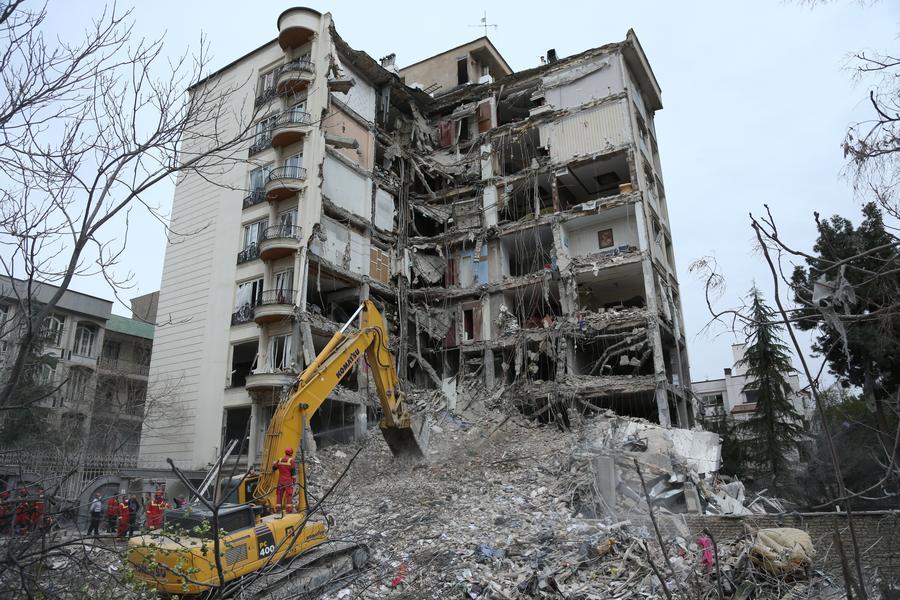
Complicating a reasonable solution are regional factors that must be taken into consideration. As the foreign minister of Oman recently pointed out, Israel, rather than Iran, is the cause of instability. This is because of Israel’s expansionist regional policy which involves the illegal occupation of Gaza, the West Bank, and Jerusalem plus Israeli attacks on and occupation of parts of Lebanon and Syria, and strikes on Iraq.
Iran has linked a settlement to the Israeli-U.S. war against it to Israel ending its aggression against Lebanon. This underscores the regional nature of the conflict as well as its complexity.
While regional powers can envisage and support a viable security architecture for the Gulf, Israeli expansionism is the core problem. What is less widely known is that Israel has never declared its official borders since 1948, thus leaving open the possibility of expansion and its Greater Israel project of control from the Nile River to the Euphrates. This project gained strong support within Israel. Polling data shows that some 80 percent of the public supports Israel’s occupation of Gaza and the West Bank as well as the ongoing war against Iran. One Israeli official recently said that Turkey is on Israel’s target list once Israel and the United States finish dealing with Iran.
Can Washington restrain Israel?
It is clear that the regional situation cannot be stabilized unless Israel abandons its expansionist policy and behavior. But this would require the United States to intervene and exert pressure on Israel to halt its destabilizing actions. In theory, Washington could simply cut off its financial and military aid to Israel. This kind of pressure worked when U.S. President Dwight Eisenhower presented it to Israel during the 1956 Suez Crisis.
President Trump finds himself in what chess players call “zugswang.” This term means that no matter what move a chess player makes the player will be in a worse position. Washington, owing to its strategic folly of the unnecessary military campaign against Iran, now has to choose the least bad option. Logically, it could end the war immediately and remove its forces from the region. This then could be coordinated in a constructive way through diplomacy to foster a new regional security architecture.
The American public, according to the latest polling data, neither supports the military conflict with Iran nor advocates continued military and financial aid to Israel and its expansionist policies. However, Congress and the White House, contrary to public opinion, fully support Israel at this time.
Washington must take steps to cut financial and military support for Israel in the interests of diplomacy and peace across the Middle East as well as the global stability.
The article reflects the author’s opinions, and not necessarily the views of China Focus.