Chevrolet Hits the Road
 Facebook
 Twitter
 Linkedin
 Google +
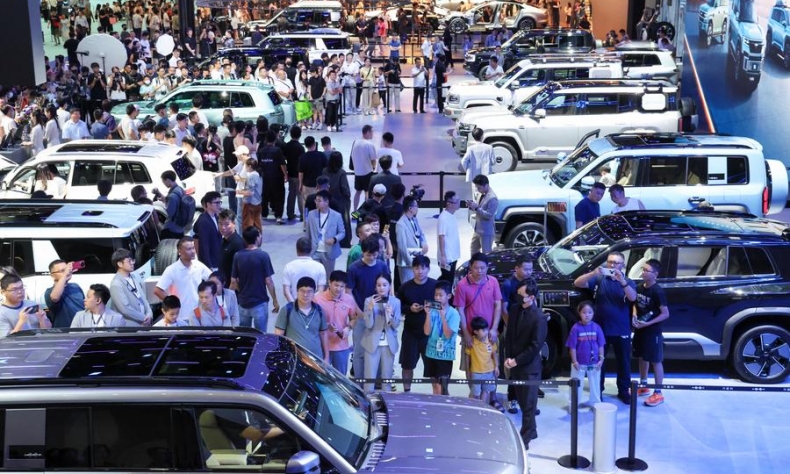
General Motors will continue China-based production of Chevrolet cars for export, but the transformations that have occurred in China are taking place globally.
In August, Chevrolet, the century-old U.S. auto brand, ended retail sales in China, the world’s largest car market. The decision came after five consecutive years of declining sales. Once a major player in China with annual sales exceeding 760,000 vehicles, the brand has now faded into near irrelevance.
According to figures from the China Association of Automobile Manufacturers (CAAM), China’s auto output and sales reached 34.53 million units and 34.4 million units in 2025, up 10.4 percent and 9.4 percent, respectively, year on year. The country’s auto output and sales have remained in first position globally for 17 years in a row. So why did Chevrolet fail to capitalize on China’s huge market?
There are claims attributing Chevrolet’s collapse to its “three-cylinder engine” strategy. In 2018, to meet China’s emission standards, Chevrolet equipped all of its main models with three-cylinder engines. This was technically justifiable, delivering higher fuel efficiency and reducing emissions. But from a market perspective, it was self-destructive, with complaints about juddering and noise surging, causing sales to plummet. Even after the switch back to regular four-cylinder engines in 2021, the reputation for unreliable technology had already been earned.
The three-cylinder engine strategy, however, was merely a turning point; the true reason for Chevrolet’s downfall was the collective rise of Chinese brands, which is reshaping the global automotive landscape.
In 2005, Chevrolet was officially introduced to the Chinese market by SAIC General Motors, a joint venture between U.S. automaker General Motors and its Shanghai-based partner SAIC Motor. In 2014, the brand’s annual sales in China reached a peak of 767,000 units. For nearly a decade after Chevrolet entered China, the market showed high enthusiasm for joint venture automobiles and domestic automakers were in a period of rapid catch-up. When China replaced the United States as the world’s largest automobile producer and market for the first time in 2009, the position of joint venture automakers remained unchanged. According to figures from the China Automobile Dealers Association (CADA), passenger cars produced by joint venture brands accounted for more than 60 percent of the domestic market in 2020.
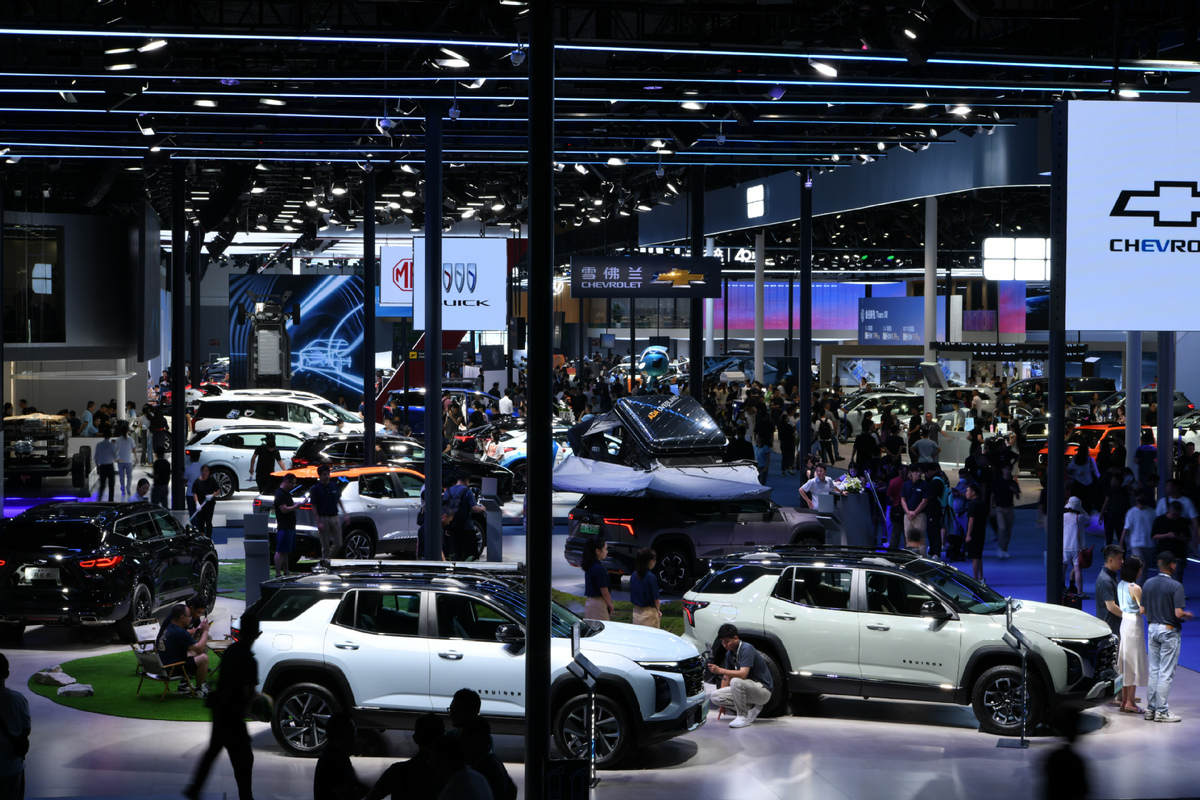
China’s auto market has truly transformed in recent years. With the rise of brands such as BYD, Geely and Changan, domestic cars, offering high-performance features at low prices, have begun to squeeze out joint venture brands. The rise of new-energy vehicles (NEVs) in China has put even greater pressure on joint venture automakers, most of which produce gasoline cars. CAAM figures show that in the first half of this year, NEVs accounted for over 50 percent of China’s auto sales. NEVs have won over consumers for greater comfort, lower costs and a better driving experience. This has impacted Chevrolet and other gasoline cars, including Japanese gasoline cars known for their fuel efficiency.
Another reason is the changing mindset of Chinese consumers. Joint venture brands used to be a symbol of social status. However, as the quality of domestic brands has improved, so too has their image. Therefore, Chevrolet’s downfall in China is far more than just the disappearance of a brand; it marks the end of an era in which joint venture brands could win easily, simply by virtue of their brand reputation. The era in which Chinese consumers were willing to pay a premium for foreign brands has also passed. CADA figures show that the retail sales volume of passenger cars in China reached 1.46 million units in July, of which major joint venture brands accounted for only 290,000 units. These figures suggest Chevrolet may not be the only joint venture car brand facing failure in the Chinese market.
General Motors will continue China-based production of Chevrolet cars for export, but the transformations that have occurred in China are taking place globally, placing increasing pressure on the brand. Perhaps, after adapting to these changes with strategic and technological upgrading, Chevrolet may once again find a place in the Chinese market.