From Catch-up to Champion
 Facebook
 Twitter
 Linkedin
 Google +
As the skilled workforce continues to expand and the spirit of craftsmanship grows stronger, China will gain sustained momentum in building itself into a manufacturing powerhouse.
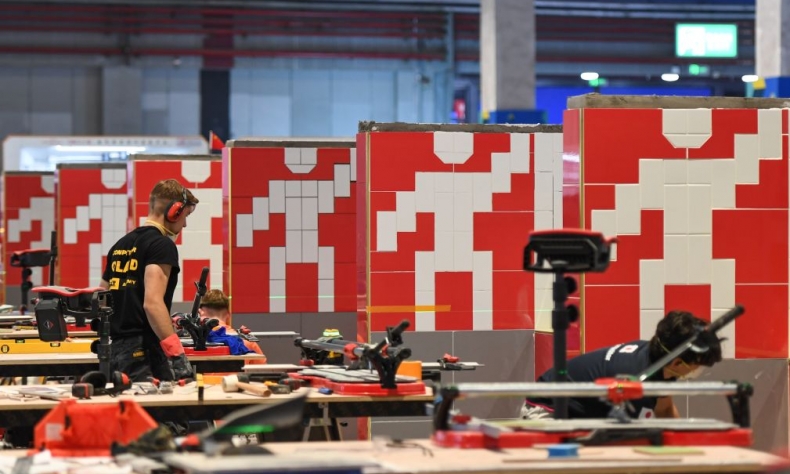
The Chinese delegation ranked first in the gold medal tally, overall medal tally and total group points standings at the 48th WorldSkills Competition (WSC) in Shanghai. This achievement is a historic milestone for China, securing the top spot on the gold medal tally for the fifth consecutive time and demonstrating China’s strength in skills training and industrial development.
This year’s event, on September 22-27, attracted a record 1,385 competitors from 68 countries and regions across 64 skills spanning industrial manufacturing, information technology, modern services and construction technology. China competed in all 64 skills, showcasing proactive alignment with the world’s highest skills standards.
The final results showed that China has not only maintained its leading position in multiple advantageous skills, but also achieved breakthroughs across emerging technologies and modern services, presenting a new landscape of balanced skills development.
When China first participated in the biennial WSC in 2011, its focus was primarily on learning from other countries and striving to catch up. Today, behind the long-term lead lies a mature and complete system for skills education. In recent years, China has attached great importance to skills education and advanced the reform of its vocational education. Through a training system ranging from school education and practical training in enterprises to professional training in national and international competitions, countless young craftspeople have emerged.
China currently has more than 220 million skilled workers, including over 72 million highly skilled professionals. Such a vast and high-quality talent pool serves as the foundation for the transformation and upgrading of Chinese manufacturing. The outstanding performance of Chinese competitors across different skills at the WSC reflects the momentum of China’s industrial transformation.
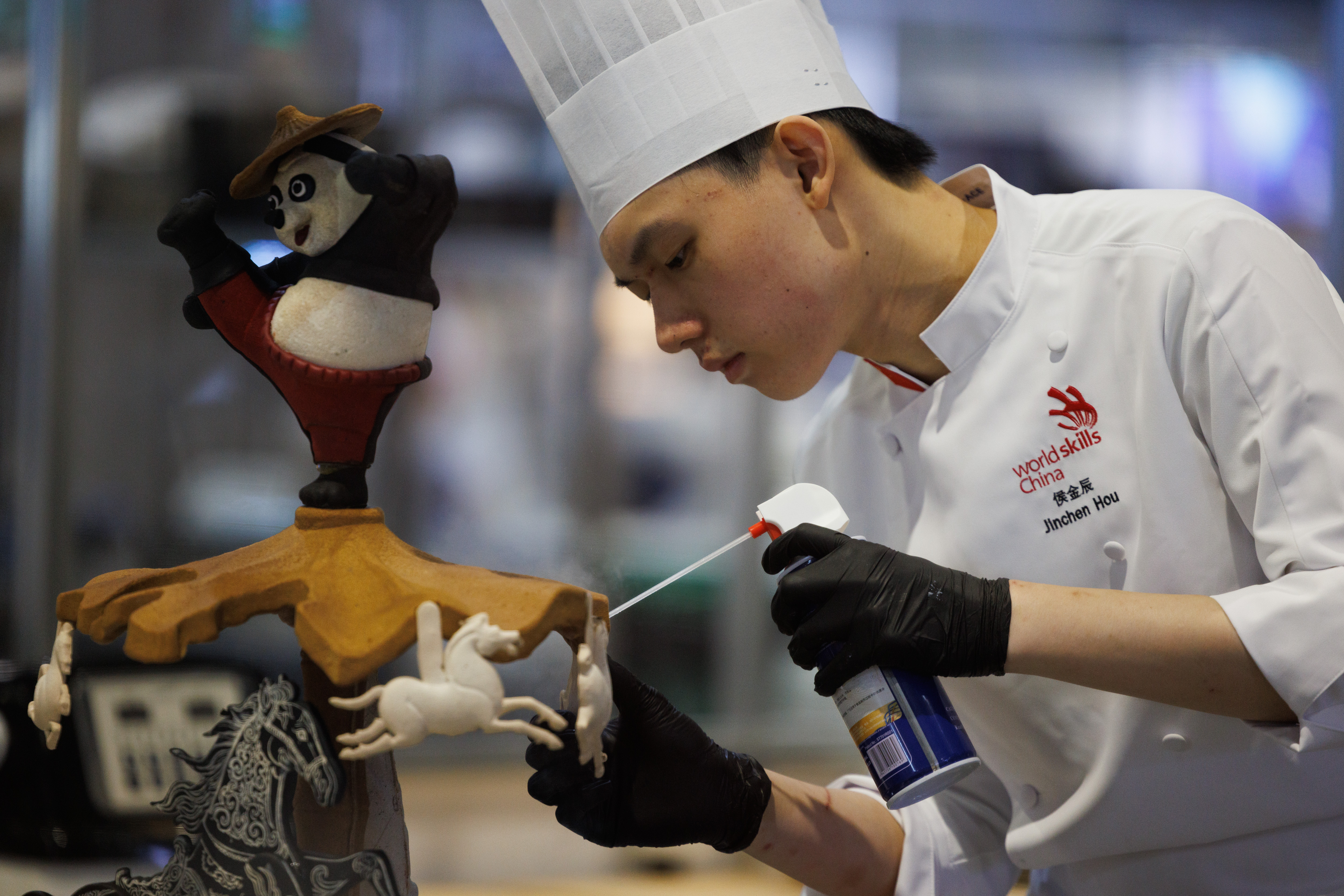
Craftspeople in traditional manufacturing sectors, driven by a commitment to excellence, fortify the foundations of the real economy; competitors in emerging fields are bold in making innovations to adapt to digital and intelligent transformation. The continuous growth of skilled professionals supports China’s transition from “Made in China,” known for large-scale manufacturing, to “Created in China,” which emphasizes innovation, advanced technology and original design. In this process, the spirit of craftsmanship is becoming a source of industrial competitiveness and national strength.
More importantly, China’s topping the WSC gold medal tally for five consecutive events help reshape public recognition of the value of vocational skills. For a long time, a mindset of valuing academic qualifications over skills prevailed. China’s outstanding performance in the WSC has fostered a public atmosphere that increasingly values skills, respects craftspeople and champions hard work. An increasing number of young people are dedicating themselves to vocational skills, making skills a means of achieving success and serving the country, thereby injecting a steady stream of youthful energy into the growth of the real economy.
Such an achievement also provides a reference for global skills development. Through policy guidance, resource investment and institutional innovation, China has pioneered an approach for training high-quality skilled professionals on a large scale, demonstrating the pivotal role of skills education in increasing employment and promoting industrial upgrading.
The competition has concluded, but the journey of skills development continues. As the skilled workforce continues to expand and the spirit of craftsmanship grows stronger, China will gain sustained momentum in building itself into a manufacturing powerhouse. Meanwhile, China will continue to share its experience in developing skilled professionals through international exchange and cooperation, helping more young people pursue and achieve their aspirations through skills and innovation.
China currently has more than 220 million skilled workers,including over 72 million highly skilled professionals.