 Facebook
 Twitter
 Linkedin
 Google +
Bridging the Analytical Divide
To foster meaningful international dialogue and avoid dangerous miscalculations, global analysts, economists and policymakers must move beyond shallow ‘ideology’ narratives.
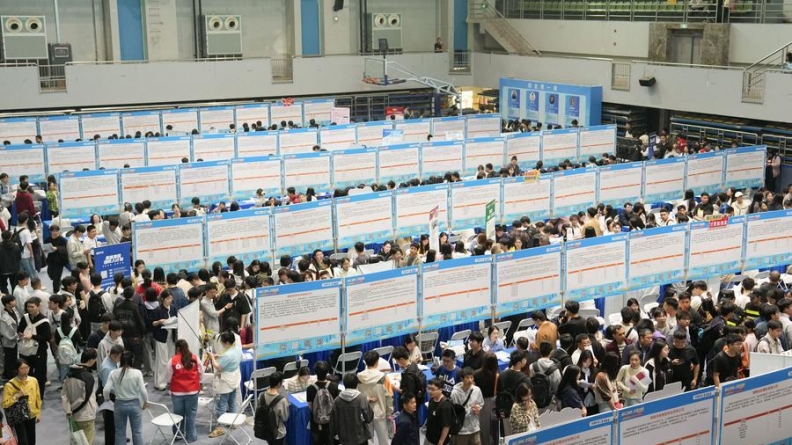
To foster meaningful international dialogue and avoid dangerous miscalculations, global analysts, economists and policymakers must move beyond shallow ‘ideology’ narratives.
Hangzhou does not offer a finished model, still less a future without contradictions. What it does show is that the direction of technological change is a political choice.
As global demand for clean technologies grows, China’s manufacturing capacity should be seen not as a risk but as a positive factor in driving the world’s industrial and energy transition.
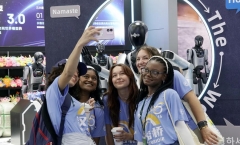
The important asset is not simply the number of humanoid robot companies. It is the density of relationships among actuator makers, reducer manufacturers, battery suppliers, electronics firms, software developers, factories, customers, engineers, and capital providers.
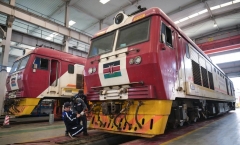
One year after China unveiled the Global Governance Initiative, a more dangerous and fractured world has made its case for multilateralism harder to dismiss.

Today, as in the age of paper and porcelain, China’s workshops and its inventiveness are once again offering the rest of humanity what they have offered for so long.
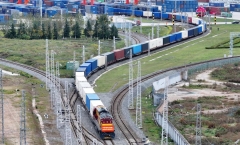
Western media outlets often describe China’s growing influence as a revival of the imperial ‘tribute system.’ Yet, this framing reveals more about how the West thinks of power than about how Beijing exercises it.

From the brink of extinction to a flourishing population, the dramatic turn in the fate of the huangyu is a testament to China’s progress in building an ecological civilization on the Qinghai-Xizang Plateau.
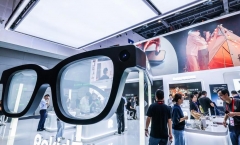
China is leaving behind the remnants of underdevelopment generated by Western imperialism and resuming its primacy in innovation.

China’s Ecological and Environmental Code embeds green development in law, showing how prosperity and environmental protection can advance together rather than as competing goals.

China’s position and influence in the world is changing rapidly with the effects of projects such as the Belt and Road Initiative being witnessed first in developing countries.
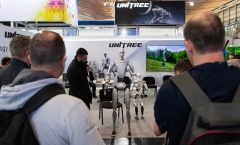
The robots doing real work in real warehouses for real customers overwhelmingly say ‘Made in China’ on the box.