 Facebook
 Twitter
 Linkedin
 Google +
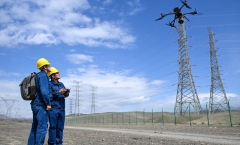
Clean Energy Ambitions Power Development
Wind and solar energy are shoring up a new pillar industrial cluster in Xinjiang.
Wind and solar energy are shoring up a new pillar industrial cluster in Xinjiang.
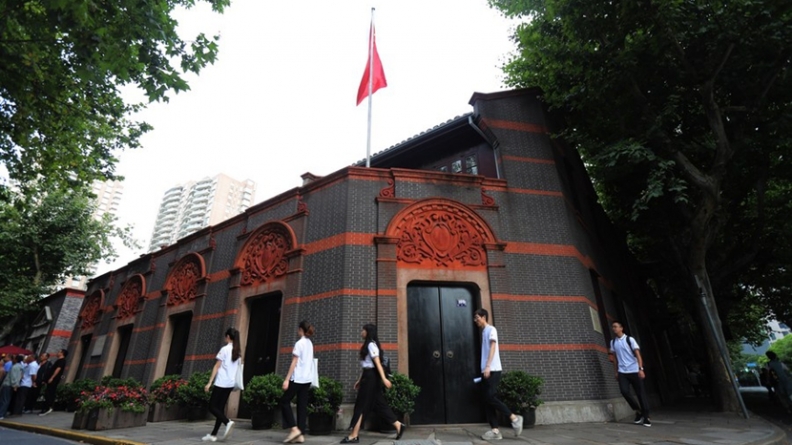
Understanding the autonomous region helps outsiders decode China’s broader ethnic policy: autonomy instead of federation, culture instead of secession, and minority faces in civilian posts.
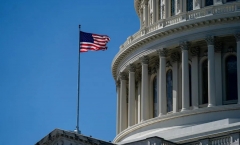
More likely, we’re heading toward a fragmented world: one centered on the U.S. that excludes Chinese participation in ‘trusted networks,’ and another more inclusive system embracing developing countries.
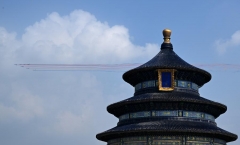
WWII brought tremendous sacrifices and heavy losses to humanity and the world. Reflecting on the past and taking history as a mirror, the international community has drawn ample lessons from this war, which remain of great relevance.
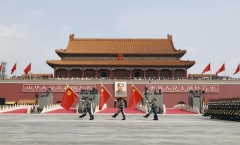
From the cautious gaze of Washington to the divided sentiments of Brussels, the denial of Japan, to the hopes of the Global South, the parade was a mirror of our times. It demonstrated the enduring relevance of WWII memory, the complexities of global power and the urgent need to confront the ideologies that threaten peace.
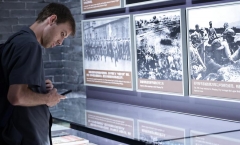
To remember that fascism was defeated by cooperation, not rivalry. And to see that the lesson of the past is not to prepare for endless confrontation, but to rediscover the possibility of partnership—before history repeats itself in even darker ways.
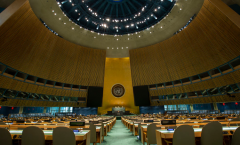
The permanent seat on the Security Council symbolizes more than just great-power status: It’s a lasting recognition of China’s contribution to victory in the World Anti-fascist War and its enduring responsibility in shaping world peace.
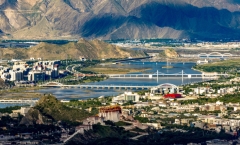
Walking through villages now lit by electricity, schools where students of all backgrounds are taught side by side and cities linked by modern rail and road, it becomes clear that Xizang is not a relic of history but a society in motion.
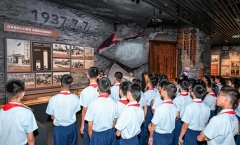
China’s wartime experience is just still less well-covered in much of the outside world than other major theaters such as Western Europe, North Africa and the Pacific.
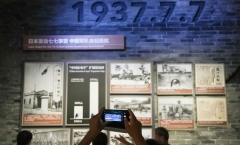
World War II was a truly global cataclysm, fought across continents by diverse peoples whose sacrifices demand recognition. Until we acknowledge that truth, we remain trapped in a story that serves power rather than history, a story where victors write the script, and everyone else fades to black.
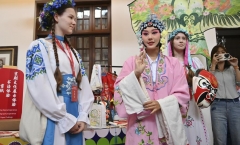
The deepening cultural and humanitarian cooperation within the SCO framework plays a key role in strengthening mutual understanding and friendship between the peoples of member states, proving to be an indispensable element of the broader cooperation.
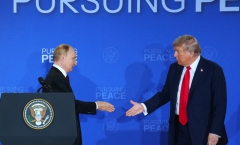
The path to peace is fraught with difficulty: divergent interests remain deeply intertwined, and core issues such as territorial disputes and security guarantees will demand painstaking negotiation.