 Facebook
 Twitter
 Linkedin
 Google +

China and the EU: Rivalry or Cooperation?
If a dual leadership is to take form, it is crucial for the EU and China to find their own way of maintaining cooperation and dialogue, based on mutual recognition of universal values.
If a dual leadership is to take form, it is crucial for the EU and China to find their own way of maintaining cooperation and dialogue, based on mutual recognition of universal values.
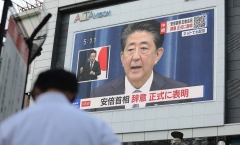
The resignation of Japanese Prime Minister Shinzo Abe last week due to illness was a shock to many. After eight years in office, what legacy has he left in the Asian-Pacific region, and what challenges lay ahead for his successor?

In an uncertain world, Europe’s commitment to multilateralism is good for stability and acknowledges China’s growing role. Obviously, not all European countries, whether member-states of the EU or not, agree, and sometimes they chart their own foreign policies.

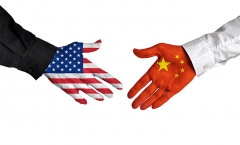
China and the U.S. working together can make great things happen for the two countries and the world at large, while China and the U.S. stuck in confrontation spells disaster for the two countries and beyond.
Countervailing measures are aimed to calibrate the prices of imported goods to a fair level of competition, rather than blocking imports from entering China. U.S. companies should be confident that they will never be prevented from exporting goods to China at reasonable prices based on fair play.

No matter how cynical or self-centered you may be, this experience has shown that you will become neither a global leader nor even a regional leader if you cannot be trusted. Even on a local level, truthfulness, trust, and accountability have been laughed at and dismissed for some time now.

EU is opposed to the U.S. not only on the Iran nuclear issue but also on a variety of issues, including U.S. withdrawal from UNESCO, quitting climate change agreement and quitting WHO.

China’s U.S. policy has always maintained a high degree of stability and continuity. China is willing to build a China-U.S. relationship based on coordination, cooperation, and stability without conflict or confrontation, featuring mutual respect and win-win cooperation.

The latest trade phone call between China and the US followed a month of small but significant cooperation between the two sides after months of increased tensions. But will it be help facilitate progress in other areas in their relationship, or will they simply return to form?

There is no reason in an integrated global trade environment to decouple. The nature of this decoupling process mirrors another era in the past century, leading us into another cold war with the dangerous potential to become hot.

To safeguard Multiparty Interim Appeal Arbitration Arrangement is to maintain the multilateral trading system.

Taken together, these developments indicate that China has provided an official, public assessment that acknowledges American Cold War intentions but disagrees with them, and prepares for the worst but hopes to avoid it.