Why the Global Governance Initiative Is Resonating Across 160 Countries
 Facebook
 Twitter
 Linkedin
 Google +
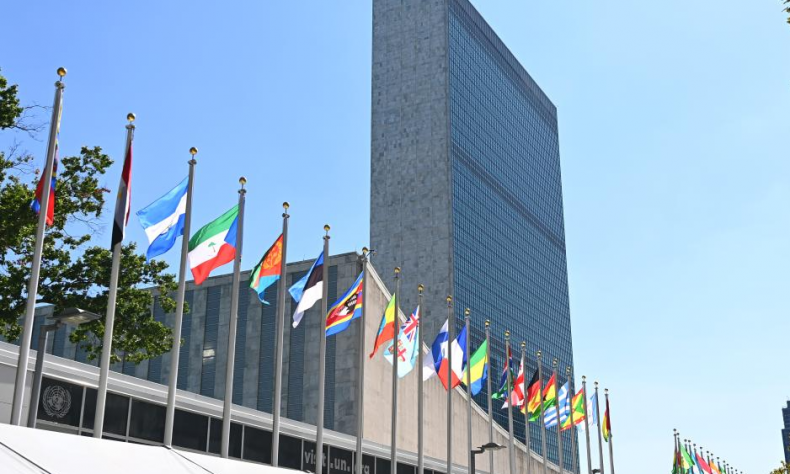
The GGI’s language points toward a harder standard: whether the people a policy was supposed to help noticed any difference in their own lives.
When Chinese President Xi Jinping proposed the Global Governance Initiative (GGI) last September at the Shanghai Cooperation Organization (SCO) Summit in Tianjin, nearly 160 countries and international organizations voiced support within months. More than 60 of them went further, joining a new coalition called the Group of Friends of Global Governance.
That is not the response of a world humoring a proposal out of courtesy. That is the response of a world that has been waiting for someone to say what many countries were already thinking.
The frustration was already there
The GGI’s core argument is that too much of global governance is still run by a few countries deciding the terms for everyone else. That is not a new complaint. Trade rules get written without the countries most affected by them in the room. Climate financing pledged to vulnerable nations arrives late or not at all. Seats at the tables that matter, from major financial institutions to the UN Security Council, have stayed remarkably fixed for decades.
None of that changed because China said so. What changed is that 160 countries finally had a specific framework to attach that frustration to, one built around five principles: sovereign equality, international rule of law, multilateralism, a people-centered approach, and a call to move from statements to action.
Skeptics will point out that voicing support costs a government nothing. That is true, and it is also beside the point. Diplomatic support is rarely free of self-interest, but 160 countries choosing to attach themselves publicly to a specific set of principles, rather than staying silent or noncommittal, is still a signal. Silence would have been easier. Governments chose not to be silent.
The Group of Friends of Global Governance put that support into a working structure. It launched at the United Nations in December with 43 founding members, from Kenya and Morocco to Kazakhstan and Malaysia. By February, meetings were attracting participation from nearly 60 countries. That is a coalition built in months, not years, around a framework that did not exist a year earlier.
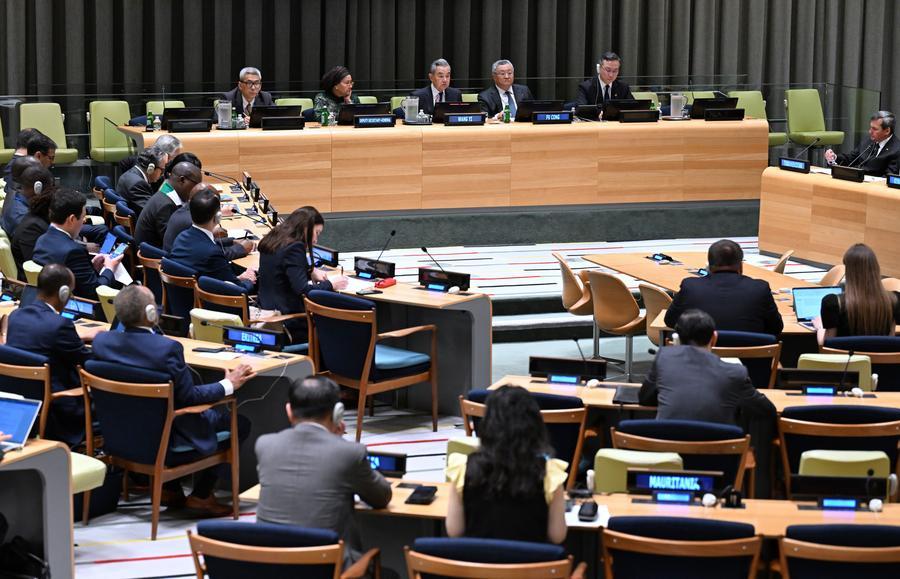
These principles aren’t new, saying them together is
The GGI’s five principles are not radical. Equal say in international affairs. Rules applied the same way to everyone. Cooperation instead of competing blocs. Governance that actually improves people’s lives. Follow-through instead of more talk. Any government could have said these things at any point in the last thirty years. Almost none did, at least not together, at this scale. The principles are not new. Getting 160 countries to say them out loud, in public, at the same time, is what’s actually new here.
Take the fourth principle, a people-centered approach. In practice, that could mean judging a trade deal not by the numbers announced at a signing ceremony, but by whether the fishing towns and factory workers affected by it actually see steadier work or better wages months later. It could mean climate financing measured by functioning irrigation systems and sea walls that actually get built, not by pledges that get repeated at the next summit. Most international agreements get judged by whether they were signed, not by whether they were followed through. The GGI’s language points toward a harder standard: whether the people a policy was supposed to help noticed any difference in their own lives. That standard is harder to meet and much easier to check, which is exactly why most institutions avoid it.
China’s own white paper, released by the State Council Information Office and titled “More Just and Equitable Global Governance: China’s Principles, Proposals and Actions,” makes a similar case. It argues that the current system needs two things: a clearer sense of what fair governance looks like, and a real plan for getting there. Its answer leans on the United Nations, not around it. The argument is not that the UN needs replacing. It is that countries have stopped taking it seriously enough.
Take the UN Security Council itself. Its five permanent members have held veto power since 1945, when the UN had 51 member states. It now has 193. The council’s composition has barely changed while the world it’s meant to govern has changed completely. That is the kind of fixed arrangement the GGI’s sovereign equality principle intends to address, whether or not the white paper names the council directly.
What happens next will affect the world
Plenty of initiatives have launched with this much noise and gone nowhere once the follow-up work started. That risk is genuine here as well. The GGI will eventually be judged on the reality of the situations in these countries.
A proposal built on fairness and equal standing found 160 governments willing to put their names on it, on the record. Beijing did not manufacture that number through leverage or trade deals. It shows a real, existing frustration with how global governance currently works.
What happens next is on the action of the coalition, not on the announcement. If the Group of Friends turns these principles into decisions that actually shift how countries handle trade, security, and development, the GGI will have answered its own question.