
Rail on the Roof of the World
These iron threads across the roof of the world are weaving isolated communities together and unlocking a future that once felt entirely out of reach.
Foreign investors continue choosing China not only because it makes business sense, but also as a result of China’s commitment to high-standard opening up and high-quality development.
A selectively embraced version may sustain a minimum common language in the short term, but over time, it risks breeding new misunderstandings.
China’s Global Governance Initiative and push toward true multilateralism, multipolarity and a shared future for humankind premised on win-win relations is the framework the world as a whole will benefit the most from.
A state genuinely bent on domination does not spend its diplomatic capital reconciling old adversaries; it does not forswear the first use of nuclear weapons; it does not decline to build the global network of bases that the projection of hegemonic power requires.
Whether this marks the beginning of a new chapter in Middle Eastern diplomacy or merely another temporary pause in a long-running rivalry will depend on the political will of both sides to transform tentative understandings into durable agreements.
China, meanwhile, doesn’t need to do very much. The more the United States damages its own global reputation through conflict and coercion, the more attractive China becomes as a source of investment, infrastructure and development.
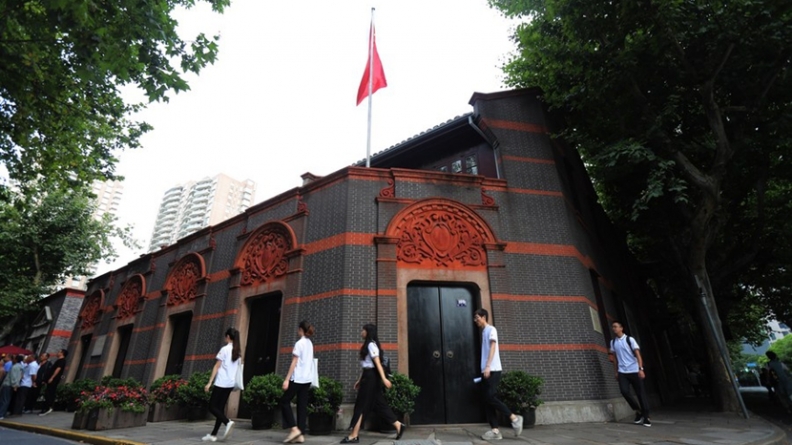
The two integrations concept shapes how the Party understands its own historical and cultural legitimacy, and it directly informs policy decisions across education, cultural affairs, economic restructuring and international communication.
China has found a different route to modernity, one rooted in its own history and adapted to its own conditions, and that this isn’t a temporary detour but a permanent alternative.
It is Iran’s deterrence capability, not its negotiating skill, that will prevent future U.S. aggression.
Can a grouping that struggles to maintain consensus among its own members still claim to provide effective leadership on increasingly complex global issues?
The Middle East needs, however utopian it may seem, a durable framework built on sovereignty, mutual respect and inclusive regional dialogue.