 Facebook
 Twitter
 Linkedin
 Google +
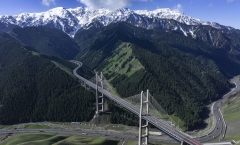
Seeing ‘A Huge Place’ Through Experienced Eyes
In my view, Xinjiang is a place where modernization is unfolding in every sphere of life.

In my view, Xinjiang is a place where modernization is unfolding in every sphere of life.
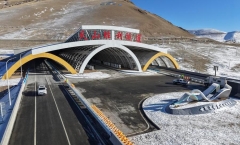
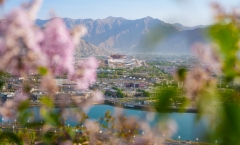
Over the past 75 years, Xizang has not only undergone a historic social transformation but has also ushered in a remarkable chapter in ecological civilization on the Qinghai-Xizang Plateau.
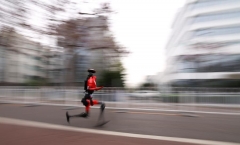
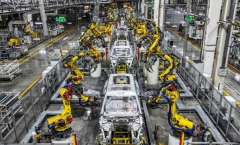
Behind robots’ transformation from stumbling along to darting away like an arrow lies the systematic optimization of core indicators in China’s embodied intelligence industry. This is not the solo performance of a single company but the collective achievement across the entire industry chain.
Poverty is not a natural condition or a person’s destiny. It can be overcome through sound political decisions, something irrevocably proven by China.
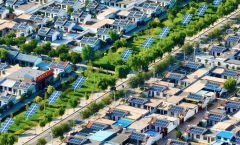
China has secured victory over extreme poverty through unprecedented systematic action and innovative strategies, setting a global benchmark for tangible poverty eradication while transitioning to rural revitalization and common prosperity.
With its governance wisdom, targeted development reforms and a broad-based promise to filter multi-tier development priorities to the local level, China is ideally positioned to build on the gains of 2025 and bring success strategies out more closely this year.
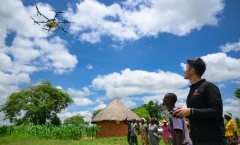
China’s development changed global assumptions about poverty reduction. Africa’s future may now depend on how effectively it adapts those lessons to its own unique development journey.
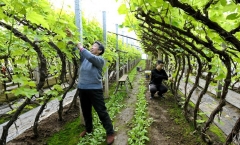
Nine years of traveling across 60 villages shows that China’s poverty alleviation is not just a miracle – it is a deliberate, people-centered strategy.
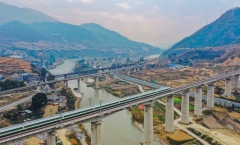
China does not export its development model, but it is willing to share the experience of ‘seeking truth from facts and adapting to local conditions,’ which is the most valuable insight Chinese modernisation offers the world.
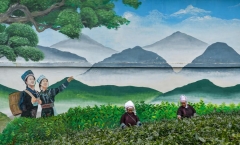
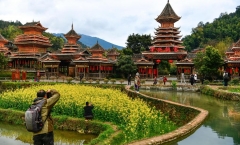
The doubt of Western media, when scrutinized against the clean and comfortable apartments, lively schoolchildren excelling in nearby schools, and happy employed adults providing for their family needs in Rongjiang and Congjiang, has no validity.
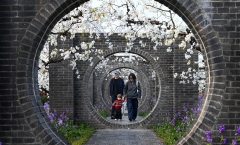
‘Healing travel’ reflects changing expectations of leisure under conditions of urbanization, digital connectivity and lifestyle diversification.