Urumqi: Where the Wind Never Stops and Neither Does the City
 Facebook
 Twitter
 Linkedin
 Google +
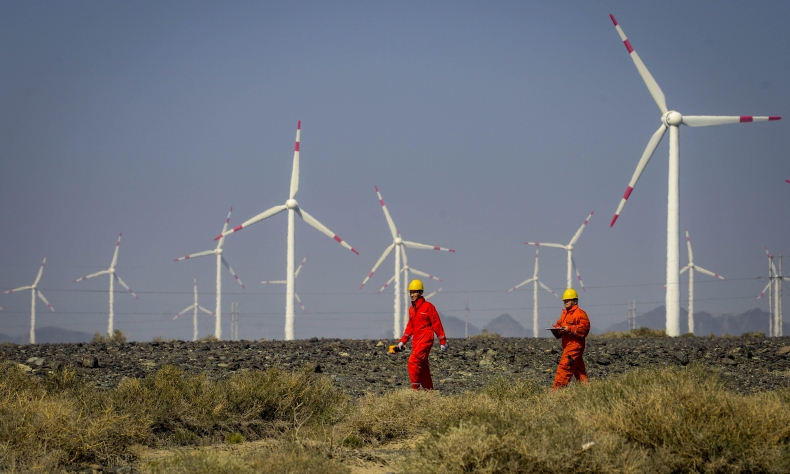
Urumqi is becoming one of the engines behind China’s clean energy transition, while still holding onto a cultural identity defined by centuries at the crossroads of China and Central Asia.
Most people outside China know Urumqi, if they know it at all, only through headlines about Xinjiang. Few realize that the regional capital is quietly becoming one of the most important energy hubs in the country.
Xinjiang’s wind and solar resources are changing how China powers itself, and Urumqi sits at the center of that shift. The autonomous region has long been associated with coal, oil, and gas, but over the last two decades, it has also become one of the country’s primary testing grounds for renewable power on an industrial scale. Spending several days in and around the city made clear just how far that transformation has already gone.
China’s wind valley
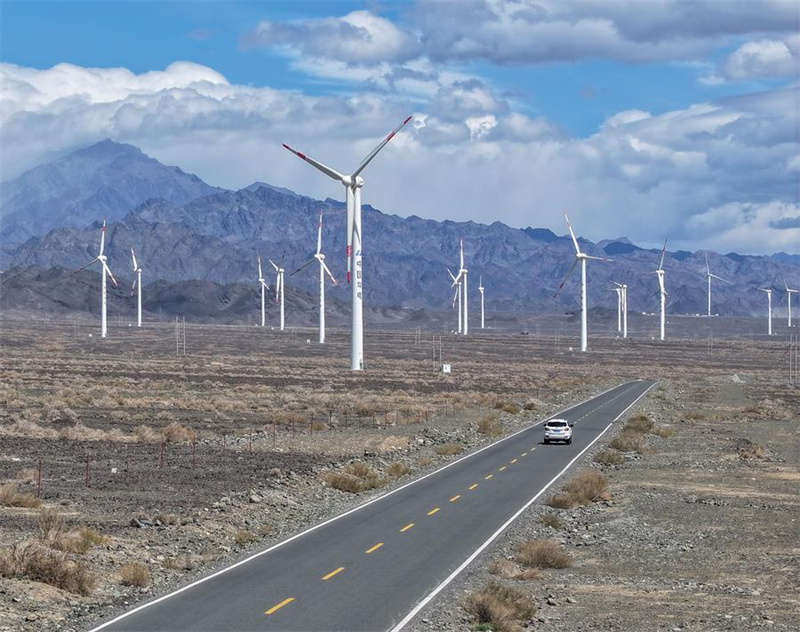
Driving outside of the city, you start to notice the turbines, dozens of them, then hundreds, stretching across the hills near a district called Dabancheng. This area is often called China’s Wind Valley, and for good reason. The mountains funnel air through narrow passes, creating air flows strong enough that the region records over 200 days a year of sustained wind, among the most reliable wind resources anywhere in the country.
China imported its first wind turbine from Denmark in 1986 and ran its earliest large-scale pilot wind project there just two years later. That wind farm has since grown from a single imported turbine into one of the largest concentrations of wind power anywhere in the country, with well over a thousand turbines now spread across the valley.
What started as imported technology has since become a domestic industry in its own right. Chinese manufacturers now build the vast majority of the turbines installed across Xinjiang, and component factories have sprung up near Urumqi to supply blades, towers, and gearboxes to wind farms across the wider region. That shift from importing equipment to manufacturing it locally mirrors a pattern seen across China’s broader renewable energy sector over the past two decades.
Xinjiang as a whole has become one of the top wind-producing regions in China, alongside Inner Mongolia, and together the two regions now account for a large share of the wind and solar capacity currently under construction nationwide. Standing near the base of one of those turbines, the scale of the buildout is far more striking in person than any statistic conveys.
A solar energy hub in the desert
Wind is only half the story. Xinjiang now holds one of the largest installed solar power hubs in all provincial regions of China. Much of that capacity sits in vast arrays across open desert land that has little other economic use, land that used to be considered empty and is now generating power for cities thousands of miles away. The combination of intense sunlight, low humidity, and abundant flat terrain makes the region especially well-suited to utility-scale solar in a way that few other parts of China can match.
One of the most striking examples sits right outside of Urumqi itself. The Midong solar farm, a 3.5-gigawatt facility connected to the grid in 2024, is the world’s largest solar farm and produces enough electricity annually to power a small country. Seen up close, the panels stretch to the horizon in the desert outside the city, giving real scale to a project that would otherwise read as just another figure in an industry report.
Renewable energy now accounts for roughly 60% of Xinjiang’s total power grid capacity, a remarkable share for a provincial region historically associated with coal. The region is also investing heavily in energy storage, the kind of technology needed to make wind and solar power reliable around the clock rather than only when the sun is out or the wind is blowing. Newer storage projects in the region range from large battery installations to compressed air and even gravity-based systems, an indication of how much experimentation is happening here as the grid tries to keep pace with new generation capacity.
Xinjiang already sends large amounts of this electricity to other parts of the country via long-distance transmission lines, helping ease demand in coastal provinces where growth, along with rising power needs, partly driven by AI data centers, is pushing grids to their limits. In effect, a province previously defined by its distance from China’s economic centers is now directly powering them.
What the city looks like up close
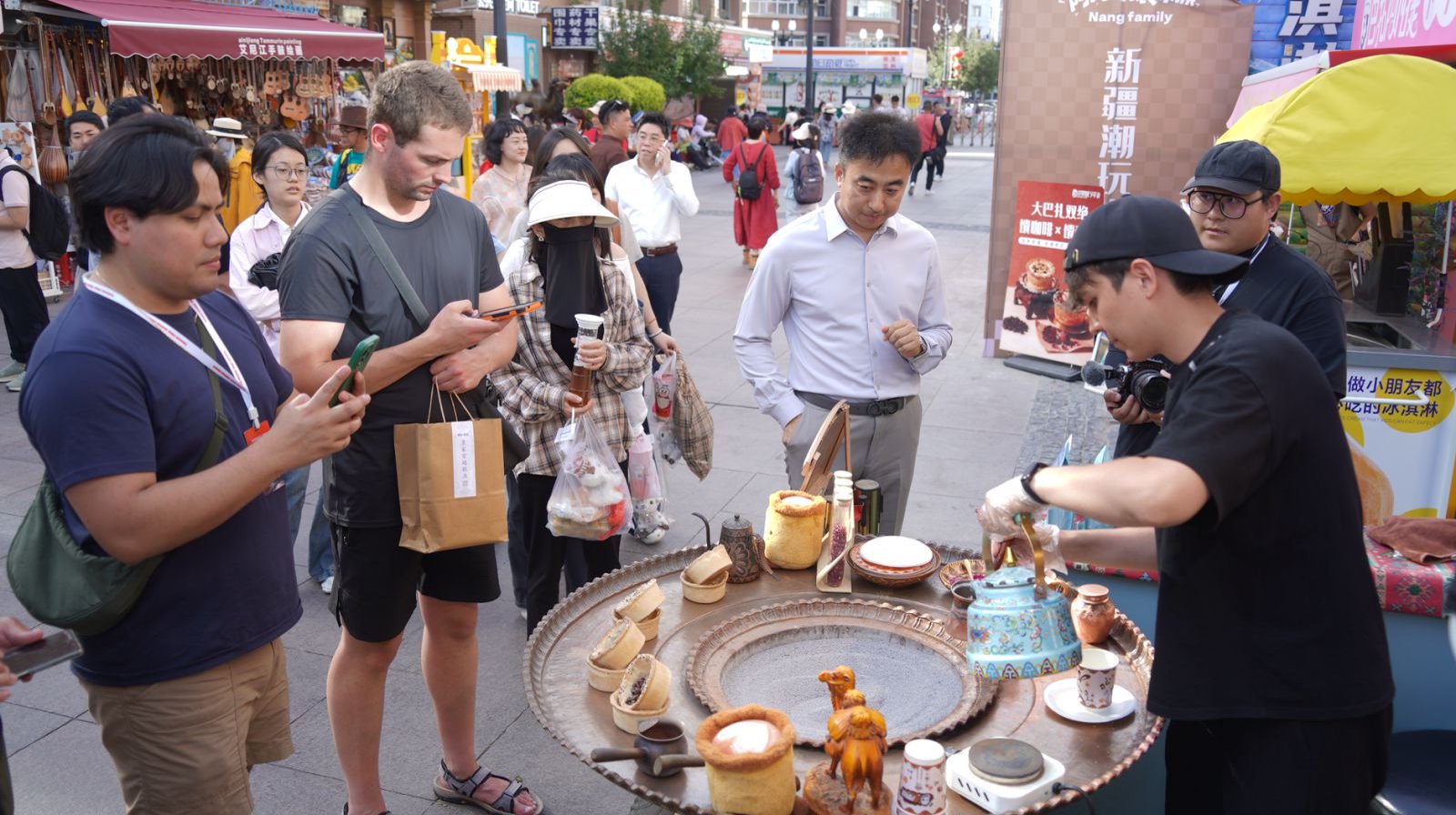
Urumqi itself offers a fuller sense of the place behind the energy statistics. The city is strikingly multicultural, with street signs written in both Chinese and Uyghur and a clear sense that both cultures are meant to be visible rather than one quietly eclipsing the other.
That comes through most clearly at the Xinjiang International Grand Bazaar, where Islamic-style domes and minarets light up at night above stalls selling some of the best lamb, naan, and hand-pulled noodles anywhere in China. At a community space called Guyuan Lane, about a block away from the Bazaar, elderly residents and children from different ethnic backgrounds take part in shared activities side by side, from calligraphy classes to a small fashion walk featuring grandmothers in beautifully embroidered traditional dress. A pair of museum visits gives deeper context: one tracing the last hundred years of development in the region, another going back thousands of years to a period long before there was any concept of nations at all.
A region powering more than itself
What is notable by the end is how much Urumqi and the wider region are undoubtedly shaping the country’s energy future. China has set a national target to dramatically expand wind and solar capacity by 2035, and regions like Xinjiang, with abundant land, intense sunlight, and near-constant wind, are where much of that expansion is happening.
Urumqi does not need to copy Beijing or Shanghai to matter. It is becoming one of the engines behind China’s clean energy transition, while still holding onto a cultural identity defined by centuries at the crossroads of China and Central Asia. That combination, energy powerhouse and cultural meeting point, is what makes the city worth a visit for yourself, and for people from all corners of the world.