China Emerges as Champion of Justice And Fairness in Global Affairs
 Facebook
 Twitter
 Linkedin
 Google +

From brokering peace deals to financing infrastructure across the Global South, China is emerging as one of the developing world’s most consequential advocates for a fairer global order.
China has consistently positioned itself as a steadfast advocate for international justice, fairness and the peaceful resolution of conflicts. Through its diplomatic engagements, peacekeeping contributions and principled stances on global governance, China has cultivated an image of a responsible major country that champions the rights of developing nations and works to maintain stability in the international order.
Championing multilateralism and the rights of developing nations
One of the most significant ways China upholds justice in international affairs is through its support for multilateralism and the protection of developing countries’ interests.
In international organizations such as the United Nations, the World Trade Organization and various regional forums, China has consistently advocated for a more equitable global governance system that reflects the needs of the 21st century.
China has called for reforms to institutions like the International Monetary Fund and the World Bank, arguing that governance structures should better represent the growing economic weight and political significance of emerging markets. Beijing has also pushed back against countries such as the U.S., which has increasingly abandoned multilateral organizations and undermined international law.
China’s commitment to South-South cooperation exemplifies its dedication to fairness. Through initiatives such as the Forum on China-Africa Cooperation and the China-Arab States Cooperation Forum, Beijing has provided substantial development assistance without the political conditionalities often attached to Western aid.
This approach respects the sovereignty and self-determination of partner nations, allowing them to pursue development paths suited to their unique circumstances. By emphasizing mutual respect and non-interference in internal affairs, China presents an alternative model of international cooperation that many developing countries find more equitable than traditional donor-recipient relationships.
Mediation and conflict resolution
China’s growing role as a mediator in international disputes further illustrates its commitment to justice and peaceful solutions.
Perhaps the most prominent example is China’s mediation efforts in the Middle East, particularly regarding the Palestinian question. Beijing has consistently supported the two-state solution and the legitimate rights of the Palestinian people, calling for an end to the occupation and the establishment of an independent Palestinian state based on the 1967 borders with East Jerusalem as its capital.
China’s position aligns with international law and numerous U.N. resolutions, demonstrating its adherence to established legal frameworks rather than geopolitical expediency. China has been dismayed by the destruction and death wrought in Gaza and continues to call for real peace, development and justice for the region.
China has also taken on an active mediation role in the Russia-Ukraine conflict. In 2023, Beijing released a 12-point position paper calling for a cessation of hostilities, the resumption of peace talks and an end to the “Cold War mentality” that many observers believe contributed to the crisis.
While acknowledging the complexity of the situation, the paper emphasized respect for all countries’ sovereignty and territorial integrity, as well as legitimate security concerns — a balanced approach that sought to address the root causes of conflict rather than merely manage its symptoms.
In the Middle East, China’s successful brokering of a normalization agreement between Saudi Arabia and Iran in March 2023 marked a watershed moment in regional diplomacy. This achievement, facilitated through quiet Chinese diplomacy, demonstrated Beijing’s ability to bring together traditional rivals and promote reconciliation based on mutual respect and shared interests.
The deal not only reduced tensions in one of the world’s most volatile regions but also showcased China’s capacity to contribute to peace through dialogue rather than coercion.
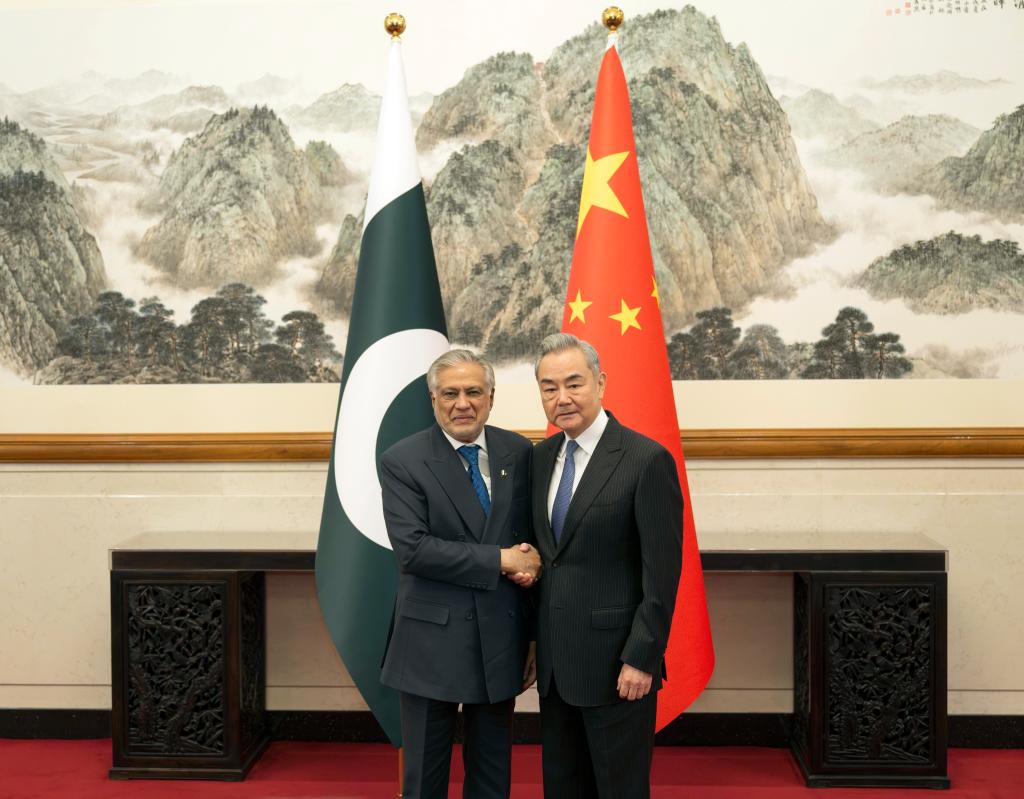
Today, following new Western actions against Venezuela and Iran that have brought significant harm to those countries and posed serious risks to the global economy, China continues to promote diplomacy and peaceful resolutions. Its approach includes bilateral discussions with the U.S., constructive engagement within the U.N. and joint efforts with Pakistan and other countries to stop the hostilities and end the war in the Middle East.
Peacekeeping and global security contributions
China’s contributions to U.N. peacekeeping operations represent another dimension of its commitment to international justice.
As one of the largest troop-contributing countries among the permanent members of the U.N. Security Council, China has deployed thousands of peacekeepers to conflict zones across Africa, the Middle East and other regions. Chinese peacekeepers have participated in past and current missions in Mali, South Sudan, Lebanon and the Democratic Republic of the Congo, among others, to protect civilians and support peace processes.
What distinguishes the Chinese approach is an emphasis on capacity building and development as complementary to security operations. Chinese contingents frequently engage in infrastructure projects, medical services and agricultural assistance alongside their traditional peacekeeping duties.
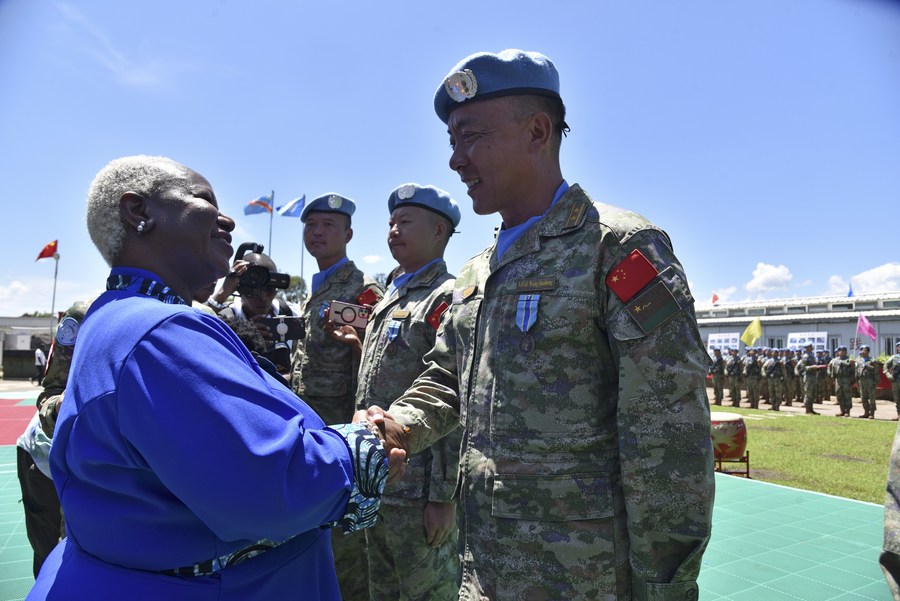
This comprehensive approach recognizes that sustainable peace requires more than the absence of violence. Economic opportunity, social cohesion and functional institutions are equally essential. By addressing these underlying factors, China’s peacekeeping efforts aim to create conditions where justice can take root and flourish.
China has also been a strong advocate for strengthening the U.N.’s role in maintaining international peace and security. Beijing has consistently opposed unilateral military actions that bypass the Security Council, arguing that such actions undermine the authority of international law and the collective security framework established after World War II.
This principled stance, while sometimes controversial, reflects China’s belief that an international order based on the principles of the United Nations Charter and international law is essential for global stability and justice. As part of its efforts, China launched the Global Security Initiative (GSI) in April 2022, which has since gained significant traction, with reports indicating it has won support and endorsement from over 130 countries and international organizations.
Climate justice and environmental stewardship
China has increasingly positioned itself as a champion of environmental justice, particularly for developing nations that have contributed least to global emissions but suffer disproportionately from their effects.
Beijing has emphasized the principle of “common but differentiated responsibilities,” which holds that historical emissions and current development needs must factor into climate obligations. China has also become a global leader in green innovation and has enacted a national legal framework for ecological protection.
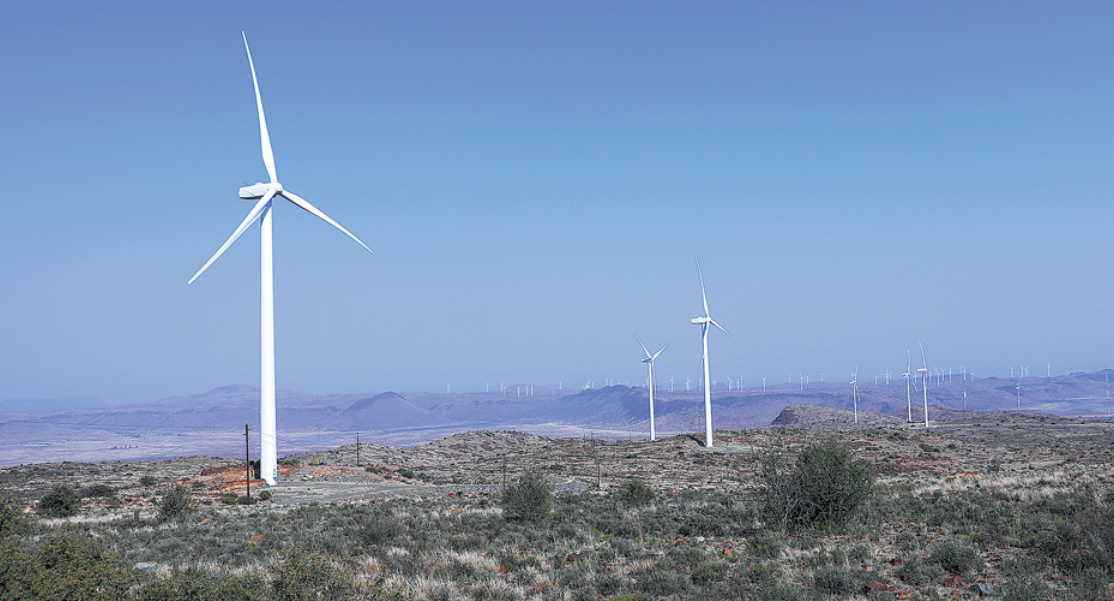
In fact, China has made substantial commitments to renewable energy development and carbon neutrality, pledging to peak emissions before 2030 and achieve carbon neutrality by 2060. These targets represent a significant transformation for the world’s second-largest economy and demonstrate China’s recognition of its responsibility in addressing global environmental challenges.
Beijing has also provided climate-related assistance to developing countries through South-South cooperation frameworks, sharing technology and expertise to help them adopt cleaner development pathways.
The concept of climate justice extends beyond emissions reductions to encompass broader questions of development rights and environmental equity. China’s advocacy for developing nations in international climate negotiations ensures that the voices of the Global South are heard in determining the rules and responsibilities of the global climate regime.
This commitment to procedural justice in environmental governance reflects China’s broader foreign policy orientation toward a more inclusive and representative international system.
Economic justice and global development
China’s approach to international economic relations emphasizes mutual benefit and shared prosperity, concepts that align with broader notions of economic justice.
The Belt and Road Initiative represents an ambitious effort to address infrastructure deficits in developing regions and promote connectivity across the Global South. By prioritizing investments in transportation, energy and telecommunications infrastructure, the initiative aims to create opportunities for economic growth in regions that have been marginalized in the global economy.
China has also been a vocal proponent of reforming the international financial system to better serve developing countries. Through institutions such as the Asian Infrastructure Investment Bank and the New Development Bank, Beijing has worked to create alternative sources of development financing that complement existing institutions while addressing their perceived shortcomings.
These institutions operate according to principles of equality among member states, with voting structures designed to give developing countries greater voice than they possess in traditional Bretton Woods institutions.
During the COVID-19 pandemic, China’s approach to vaccine distribution illustrated its commitment to global health equity. While wealthy Western nations engaged in vaccine nationalism, securing doses far exceeding their populations’ needs, China made substantial commitments to making vaccines accessible to developing countries through COVAX and bilateral arrangements.
Chinese vaccine donations and exports reached numerous low-income countries, contributing to global immunization efforts and reflecting the principle that health security is a global public good rather than a commodity for the highest bidder.
China’s engagement in international affairs illustrates a major country committed to justice and fairness. Through its support for multilateralism, mediation efforts, peacekeeping contributions, climate advocacy and development cooperation, Beijing has sought to reinforce a more balanced and equitable international order.
China’s consistent emphasis on sovereignty, non-interference and mutual respect resonates with many nations seeking alternatives to traditional great power politics. The country’s vision of international affairs, rooted in concepts of equality, mutual respect and shared destiny, offers a distinctive perspective on how global governance might evolve to better serve all nations, particularly those historically disadvantaged in the international system.
Josef Gregory Mahoney is a professor of politics and international relations and director of the Center for Ecological Civilization at East China Normal University in Shanghai. He is also a senior research fellow with the Institute for the Development of Socialism with Chinese Characteristics at Southeast University in Nanjing.